Knowing how to help someone who is experiencing a relapse can make all the difference in their lives and in their recovery journey.
The goal is to avoid shaming the person and to work to reconnect them with treatment, strengthen their support system, and support them through this step in their recovery journey.
For those living with a substance use disorder, the recovery process is rarely linear. If you or a loved one has relapsed, here are practical ways to help.
Key Takeaways:
- Avoid shaming or blaming the person. The goal is to provide support and let them know you are here to help without judgement.
- Focus on the next best step. That may mean immediate safety, reaching out to a therapist or healthcare provider, or helping them attend a meeting.
- For teens, provide them the opportunity to make decisions and engage in their care as much as is safely possible so they feel like they have some sense of control.
What Should I Do if Someone I Love Relapses?
There are several steps you can take to help someone going through a relapse. It is most important to remain calm, ensure the person’s safety, and avoid blame.
Check for immediate safety concerns
Ask yourself the following questions:
- Are they medically stable or do they need immediate medical care?
- Are children nearby or present in the home?
- Is there someone who can help watch them?
Sometimes, the first step is taking someone to a hospital for medical care or building up immediate supports around your loved one, like reliable childcare.
Stay calm and avoid reacting in the heat of the moment
It is normal to feel intense emotions when you find out that someone you love has relapsed.
While your feelings are valid, escalating emotions can do more harm than good. Try to pause before responding. Yelling, blaming, or threatening only increases shame.
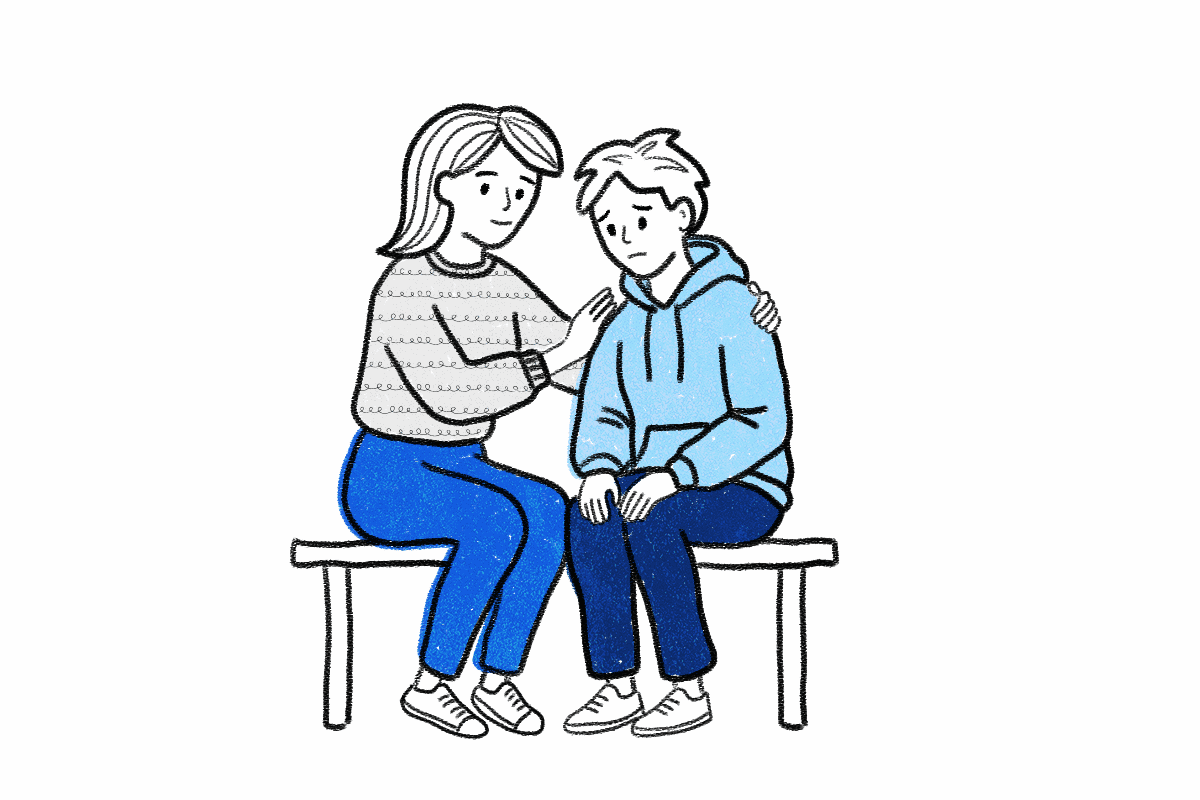
Respond in a way that helps the person feel safe and use active listening. People are more likely to be open to help if they feel seen and heard than if they feel emotionally attacked.
Open up a conversation without blame
It can be hard not to express your anger or direct blame at your loved one when you realize they have relapsed.
However, it is essential to provide support and avoid blaming the other person. If a person feels blamed, shamed, or emotionally attacked, they may be less likely to admit they need help.
Statements you can try that avoid blame include:
- “I’m glad you told me.”
- “Thank you for trusting me with this information.”
- “What are ways I can support you right now?”
- “I’m worried about you, and I’m here for you.”
Don’t try to fix everything in one conversation
When someone you love is hurting, it is natural to want to jump right in and try to fix everything.
However, it is rare to fix everything all at once. Instead, focus on the next right step.
Depending on the severity of the relapse, this could look like:
- Seeking emergency medical care if an overdose occurred
- Calling the person’s therapist for advice or recommendations on places to go
- Attending a meeting
- Reaching out to a trusted family member or friend
- Contacting an addiction treatment center
One action often leads to the next step. It can feel hard to start, but once you do, it usually feels easier to keep going and build a plan with momentum.
What to Say to Someone Who Has Just Relapsed
If someone you love has just relapsed, it is important to speak to them in a way that encourages support and reduces shame.
This means avoiding blaming statements and remaining curious about their experience.
What is the best way to comfort someone who has relapsed?
When someone relapses, it is likely they feel shame or regret about relapsing.
It is essential to reinforce the importance of the work they have already done and to provide encouragement rather than blame.
Sometimes relapse happens, and the most important thing is to seek help. No one’s journey is the same, and recovery is rarely linear.
Examples of phrases you might say include:
- “I’m proud of you. Being honest is hard.”
- “I’m here for you and will support you so that you are not alone.”
- “Let’s focus on one step at a time together.”
How can I help someone understand that relapse is serious?
You can help someone understand that relapse is serious by presenting your concerns with compassion and an expectation of accountability.
A relapse can increase the risk of an overdose, especially if someone has been off a substance for a while. Relapses can progress quickly if left untreated and lead to significant consequences, such as injury, lost jobs, missed work, or difficulties in school.
However, while a relapse is serious, it is essential to remind your loved one that help is available.
Ways to help someone reconnect to supports include:
- Helping them contact their treatment team, such as their medical provider or therapist
- Helping them find an Alcoholics Anonymous, Narcotics Anonymous, or other support groups to attend
- Helping to remove barriers to care by offering to drive them to appointments or groups or provide childcare
- Helping call treatment centers to collect information about availability
- Helping them verify insurance
At Sandstone Care, we are here to help. If you or your loved one is experiencing a relapse our admissions team is here to help. Call us at (888) 850-1890 to explore options and gather information.
What should I avoid saying to a loved one who is going through a relapse?
Avoid making statements that suggest blame or fault. For example, phrases to avoid include:
- “You’ve ruined everything.”
- “I knew this would happen.”
- “Why can’t you just stop?”
- “You’ll never get over your addiction.”
How Do I Help My Teen or Young Adult Child Who Has Relapse?
To help a teen or young adult who is experiencing a relapse, it is essential to provide them as much autonomy, agency, and choice as safely as possible.
Ways to offer a teen or young adult a sense of control in the process include:
- Give them a say in where they go: Allowing them to have a say in which treatment facility they go to, if their insurance and finances allow for options.
- Ensure they feel they have a safe space: Depending on their age, allowing them to have private conversations with their care team and giving them some choice in what is shared with their parents or guardians.
- Allow them input on care decisions: If it is safe to do so, allow them input on the level of care they receive. For example, depending on the severity of their relapse, allowing them to weigh in on whether they feel they need a residential level of care or can be safe with an intensive outpatient level of support, such as a partial hospitalization program (PHP).
How do I help my child navigate a relapse as their parent?
As a parent, it is essential to balance love and support with accountability.
This can look like continuing to help with some responsibilities while scaling back other supports as needed. For example, parents may choose to pay for treatment or help with transportation to appointments and also limit financial support if their child refuses to engage in treatment or skips appointments.
It is essential to balance supporting recovery versus enabling unhealthy choices. This means not always rescuing your child from every consequence.
Learning the difference between supporting and enabling behaviors is challenging. At Sandstone, we also offer family therapy to include parents in the treatment process, as well as a parent support group.
Additionally, finding your own personal therapist who specializes in addiction recovery can be helpful.
How does relapse show up for teens?
Relapses for teens can show up differently than for adults. In teens, parents might notice symptoms such as:
- Sudden behavior changes
- Increased agitation, irritability, or anger
- Falling or failing grades
- New friend groups or social isolation
- Increased secrecy
- Emotional withdrawal
- Breaking rules they used to follow
With teens, if you notice behavioral changes like a sudden increase in irritability, it is essential to lean in with curiosity and explore if there is more going on. Sometimes behavioral or mood shifts are among the first signs that your teen is struggling.
How does a relapse show up for young adults?
Young adults are often stepping into new challenges such as increased independence, college or vocational training, first careers, and serious relationships. It is a time of growth and discovery.
With these changes, young adults face unique risk factors such as:
- New social pressures
- Less consistent housing
- New or changing routines
- Surfacing mental health conditions
For example, someone with anxiety may have been able to function well at home with supportive parents. However, when faced with the stress of increased independence and responsibility, may turn to unhealthy coping methods, such as substances.
Young adults often need additional support to learn how to navigate adulthood.
Does family therapy help if my child keeps relapsing?
Yes, family therapy can be helpful even if your child keeps relapsing.
Family therapy can often help parents:
- Improve communication with their teen or young adult child
- Reduce conflict
- Teach healthier ways to respond to addiction
- Help parents understand supportive strategies and set boundaries
It is common for addiction treatment programs, like Sandstone Care, to include family therapy and education. We recognize that addiction affects the entire household, not just the individual using the substances.

What Does It Mean If Someone Relapses?
A relapse happens when someone returns to substance use (e.g., drugs or alcohol) after a period of abstinence or reduced use.
In some cases, it can be a single use, and in others, it may be part of a longer substance misuse pattern that has been hidden.
Regardless, a relapse is a sign that a person’s recovery plan needs additional support, not that recovery is impossible or that the person has failed in any way.
How common is relapse in addiction?
Relapse in addiction is common and it is estimated that approximately 40-60% of those with a substance use disorder will experience a relapse.
These numbers are often compared to relapse rates for other chronic conditions.
There is no cure for addiction. Instead, like other chronic conditions, it is treatable and managed through medications, regular visits with a healthcare provider, support groups, or therapy, depending on the person and their treatment needs.
For example, those with hypertension or asthma experience relapse rates of their conditions at around 50-70%. The point is that people with chronic diseases do sometimes relapse, and treatment for relapses is available.
How can I tell how serious a relapse is?
Every relapse is different and each relapse is serious. However, some relapses are more dangerous than others, especially if an overdose occurs or the person gets hurt.
Sometimes, a relapse leads to an overdose. If someone has not been using or drinking for a while and they go back to old patterns, they may overestimate their tolerance. Seek emergency medical care if you suspect an overdose.
For some, a relapse may include a single drinking episode or drug use, followed by an immediate return to treatment.
For others, they may have been secretly hiding weeks or months of regular use.
Other questions to consider include:
- How much was used?
- How long has the relapse been happening?
- Are multiple substances being mixed?
- Are they avoiding treatment, or have they stopped altogether?
- Are they putting themselves or others in danger?
Note: If someone has overdosed, is confused, is unable to be awakened, is having difficulty breathing, or is expressing thoughts of wanting to harm themselves or others, seek emergency medical care.
Is relapsing a type of failure?
No. Relapsing is not a failure, and is a very common part of the recovery process. Learning how to navigate a relapse is one of the most important skills for someone looking for sobriety.
Relapsing is serious, but addiction is a chronic condition and requires continual treatment. Sometimes that treatment needs to be adjusted.
Relapse is not a personal failure nor is it a lack of willpower.
Recovery includes learning new habits, building healthier relationships, and learning better coping skills. These parts of recovery are hard and take time to learn. If there is a major life stressor, such as a breakup or job loss, it can be even harder to avoid a relapse.
Instead of pressuring the person with a “why” question, like “Why did you relapse?”, leading with curiosity is often more helpful.
For example, you can try asking things like “What happened?” or “What support do you need?”
Open-ended questions like these encourage honesty instead of shame.
How long does a relapse usually last?
There is no set timeline for how long a relapse lasts.
Some people recognize there is a problem right away and seek professional help. Others may use for weeks or months before seeking help. Sometimes people realize they need help on their own, and sometimes it is a loved one reaching out.
Whether a relapse lasts for a day or months, reaching out sooner is ideal.
What Are Common Relapse Warning Signs?
A relapse usually begins with several warning signs. Common warning signs of relapse often include a combination of emotional, cognitive, physical, and behavioral symptoms.
A relapse typically moves through three phases, beginning with the emotional phase and followed by the mental and physical phases.
What are the warning signs of the emotional phase of relapse?
The emotional relapse phase is usually more subtle.
During an emotional relapse, someone isn’t necessarily thinking about using drugs or alcohol yet. Instead, they begin drifting away from healthy coping strategies and routines.
Common signs may include:
- Increased stress
- Irritability
- Anxiety
- Depression
- Withdrawing from family and friends
- Skipping meals or workouts
- Sleep disruption
- Neglecting self-care
- Increased mood swings
Individually, some of these shifts might seem small. For example, you might not think anything of it if they skip a few workout classes.
However, if that is also accompanied by other signs such as missed planned activities, poor personal hygiene, or complaints of poor sleep, it is worth checking in.
What are the warning signs of the mental phase of relapse?
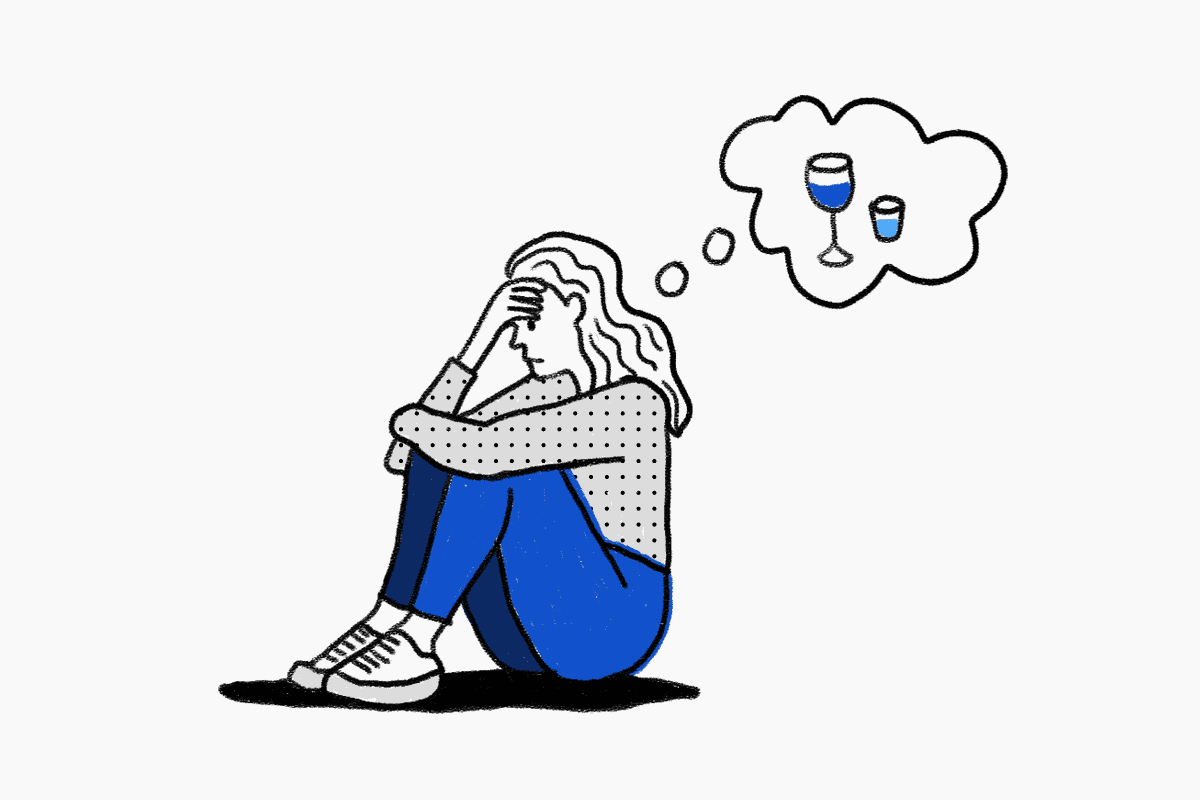
During the mental relapse phase, the person may remain sober, but start thinking about using again.
Someone experiencing the mental relapse phase often has an internal tug-of-war happening inside of them. In this stage, they are thinking about using but may also recognize that using is not the answer.
For example, possible signs of relapse during this phase may include:
- Thinking positively about past substance use
- Believing they can control their use this time if they start using again
- Increased cravings
- Looking for opportunities to use or thinking about which opportunities they would use again
- Reaching out to old friends they hung out with when they used substances
- Minimizing the consequences of their past addiction
During this stage, additional support, attending meetings, or being honest with a therapist and medical prescriber can make a difference.
What are the warning signs of the physical and behavioral phases of relapse?
The physical stage of a relapse can occur when someone begins to use substances again.
Behavioral signs that you might notice during this relapse stage can include:
- Missing work or school
- Lying about where they have been
- Other secretive behavior
- Missing support groups or therapy appointments
- Financial issues
- Avoiding their sponsor or other support people
- Isolating themselves from friends or peers in their recovery community
What are the signs that someone I love needs medical attention for a relapse?
Some situations require immediate medical attention.
Signs that someone needs medical attention and evaluation for a relapse include:
- Difficulty breathing
- Loss of consciousness
- Suspected overdose
- Seizures
- Confusion, such as no longer knowing who they are or where they are
- Hallucinations
- Thoughts of suicide or ways to harm themselves
- Severe withdrawal symptoms
Additionally, it is riskier to withdraw from some substances, such as alcohol or benzodiazepines. If you suspect that someone is withdrawing from either of these, medical supervision during withdrawal is recommended.
How Do I Help Someone Get Treatment After a Relapse?
It is essential to focus on what the next step is, instead of trying to do everything at once, and to remember to take care of yourself, too.
There can be mixed emotions when you feel responsible for helping someone get treatment after a relapse. The process might feel overwhelming.
How does treatment help someone going through a relapse?
After a relapse, treatment provides the person a safe space to process what happened and strengthen their recovery plan.
Treatment can help someone by:
- Identifying triggers
- Improving coping skills
- Reconnecting with others
Care may include:
- Medical detox
- Group and individual therapy
- Peer support
- Medication adjustments
This care can take place in a residential or outpatient substance abuse treatment program depending on the person’s unique needs. Everyone’s path to recovery looks different, and it is normal to step up and down in levels of care throughout the process.
How do I convince someone that rehab can make a difference?
As much as you want to convince someone that rehab can make a difference, it is ultimately up to the person to make the choice to go.
While you can’t force someone to change, you can express your concern honestly.
Choose a calm time to talk, focus on specific behaviors instead of criticizing the person, and explain why you are worried while reinforcing that you care.
Sometimes, professional intervention is helpful when someone refuses help and there are significant safety or health concerns.
What should I look for in a program for someone who keeps relapsing?
Look for programs that provide:
- Individualized treatment plans
- Family involvement
- Dual diagnosis care, if there is also another underlying mental health condition
- Continuing care planning with adequate discharge support
- Access to peer recovery
- Various levels of care to meet clients’ needs
- Age-based care
At Sandstone Care, we offer several levels of care, including inpatient detox facilities, residential treatment, and outpatient programming. Many of our clients appreciate the continuity of care and the ability to go up and down in levels of care as needed.
We also recognize the unique needs of teens and young adults and offer age-based treatment programs designed to meet their needs.
Calls us at (888) 850-1890 to learn more about what options are available. We are here to help.