Skip to Main Content
Professional Events

Continuing Education

By participating, you not only enhance your skills but also join a community committed to providing the best care possible. Elevate your treatment techniques, meet licensure requirements, and stay at the cutting edge of advancements in the care industry.

Upcoming Events


Motivational Interviewing Cover Email V3

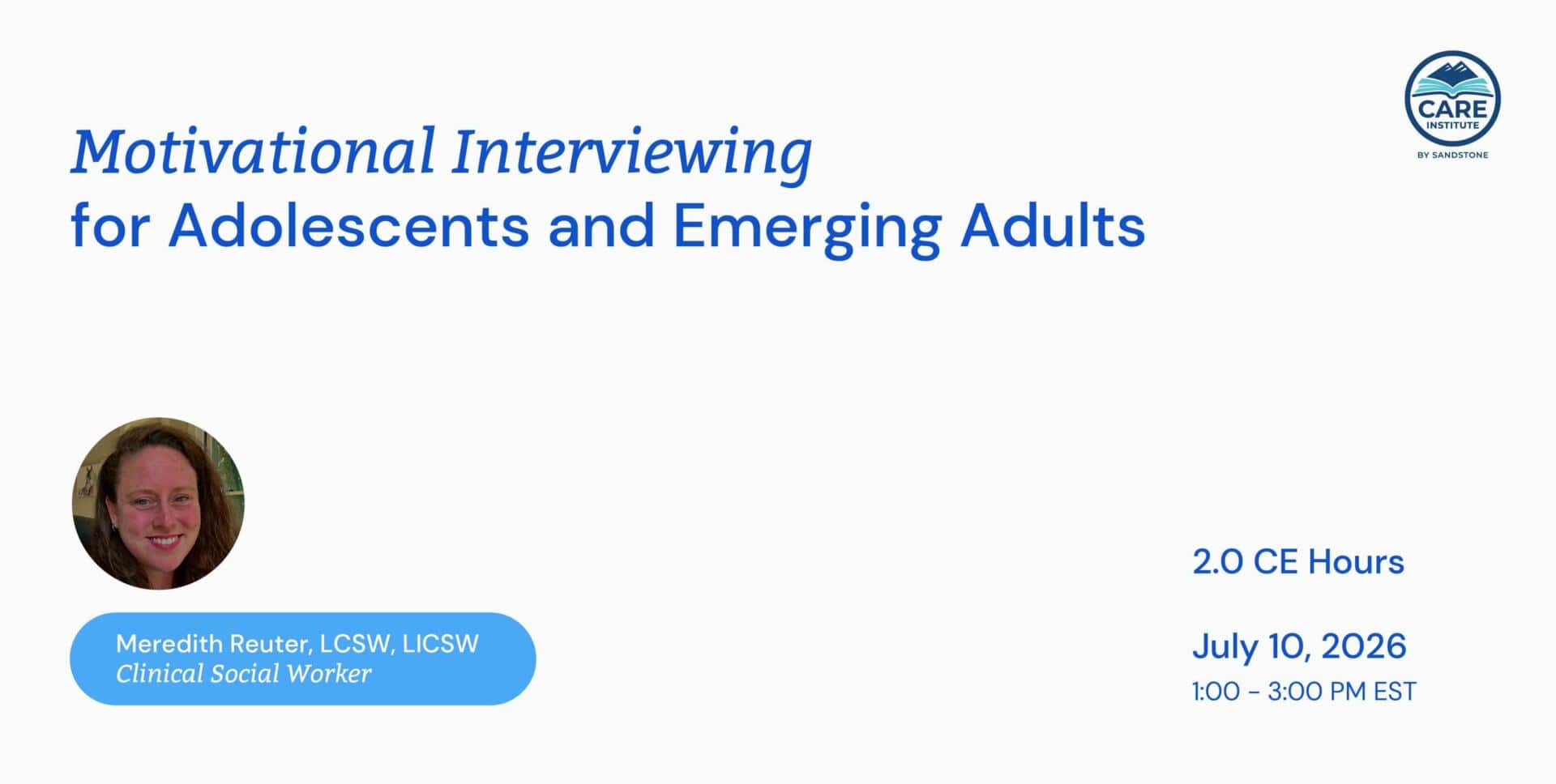
Motivational Interviewing for Adolescents and Emerging Adults

objectives:

Participants will be able to:

  • Define the Spirit of Motivational Interviewing.
  • Define ambivalence and recognize Change Talk and Sustain Talk.
  • Define and use the OARS skills.
  • Identify key biological, psychosocial, and cognitive characteristics of adolescent development.
  • Describe specific instances where Motivational Interviewing is indicated for clinical work with adolescents and emerging adults.

Register Here: https://tinyurl.com/m-interviewing


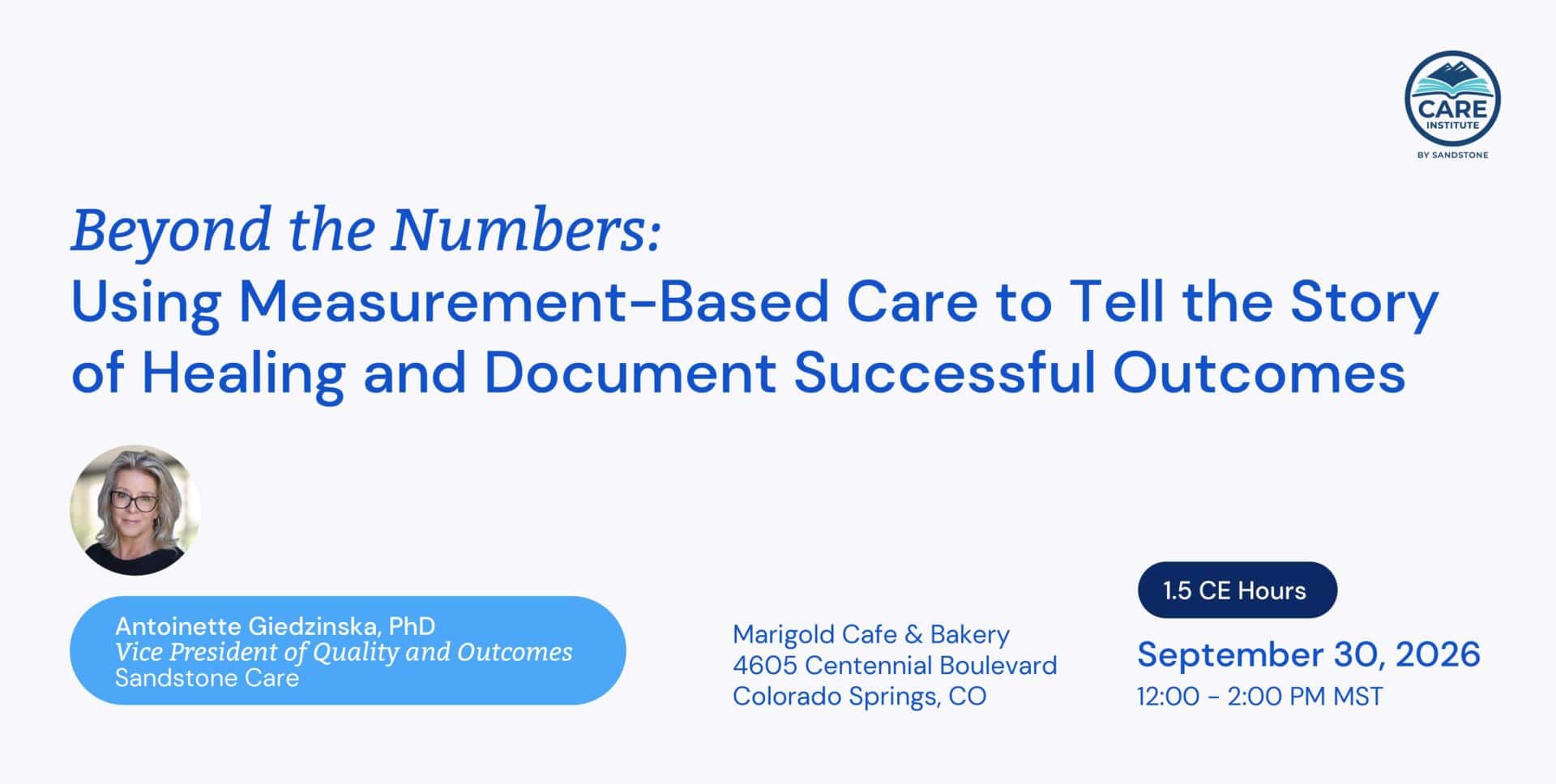
Beyond the Numbers: Measurement-Based Care to Tell the Story of Healing and Document Successful Outcomes

objectives:

Participants will be able to:

  • Explain measurement-based care (MBC) and its benefits for therapeutic integration.
  • Identify and describe processes and procedures for using MBC for Quality Assurance.
  • Define the barriers to implementing MBC and discuss how to overcome adoption pushback.

Register Here: https://tinyurl.com/outcomes4

Beyond The Numbers Cover 2cover Email@2x

Past Events


CTPSD LI Covercover Eventbrite@2x

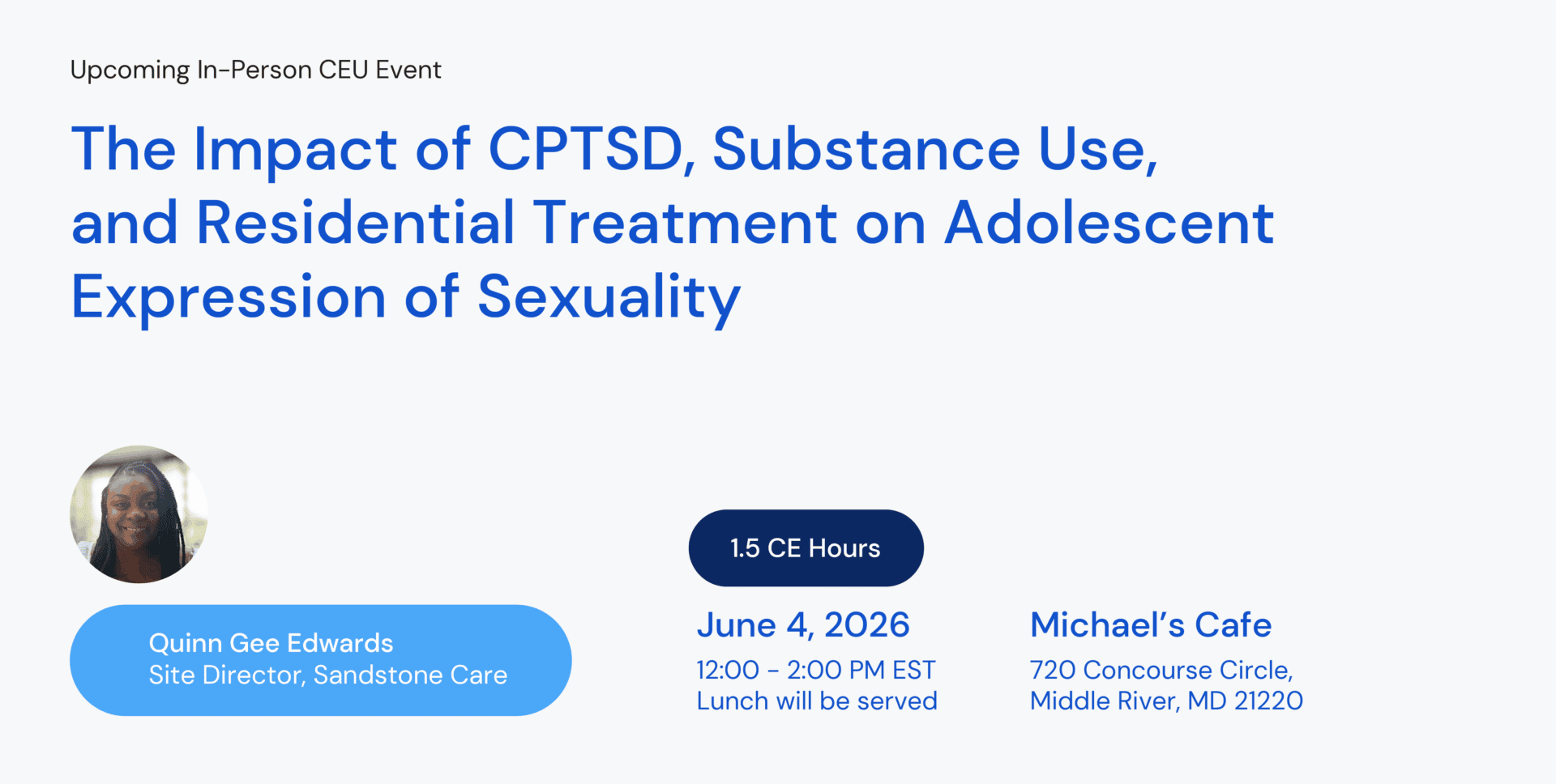
The Impact of CPTSD, Substance Use, and Residential Treatment on Adolescent Expression of Sexuality

objectives:

Participants will be able to:

  • Recognize patterns of behavior consistent with CPTSD & SUD in adolescents in residential settings
  • Define the relationship between sexuality and substance use, and how CPTSD influences both
  • Design effective programming for the needs of youth in residential settings, with flexibility and language inclusive of changing identities

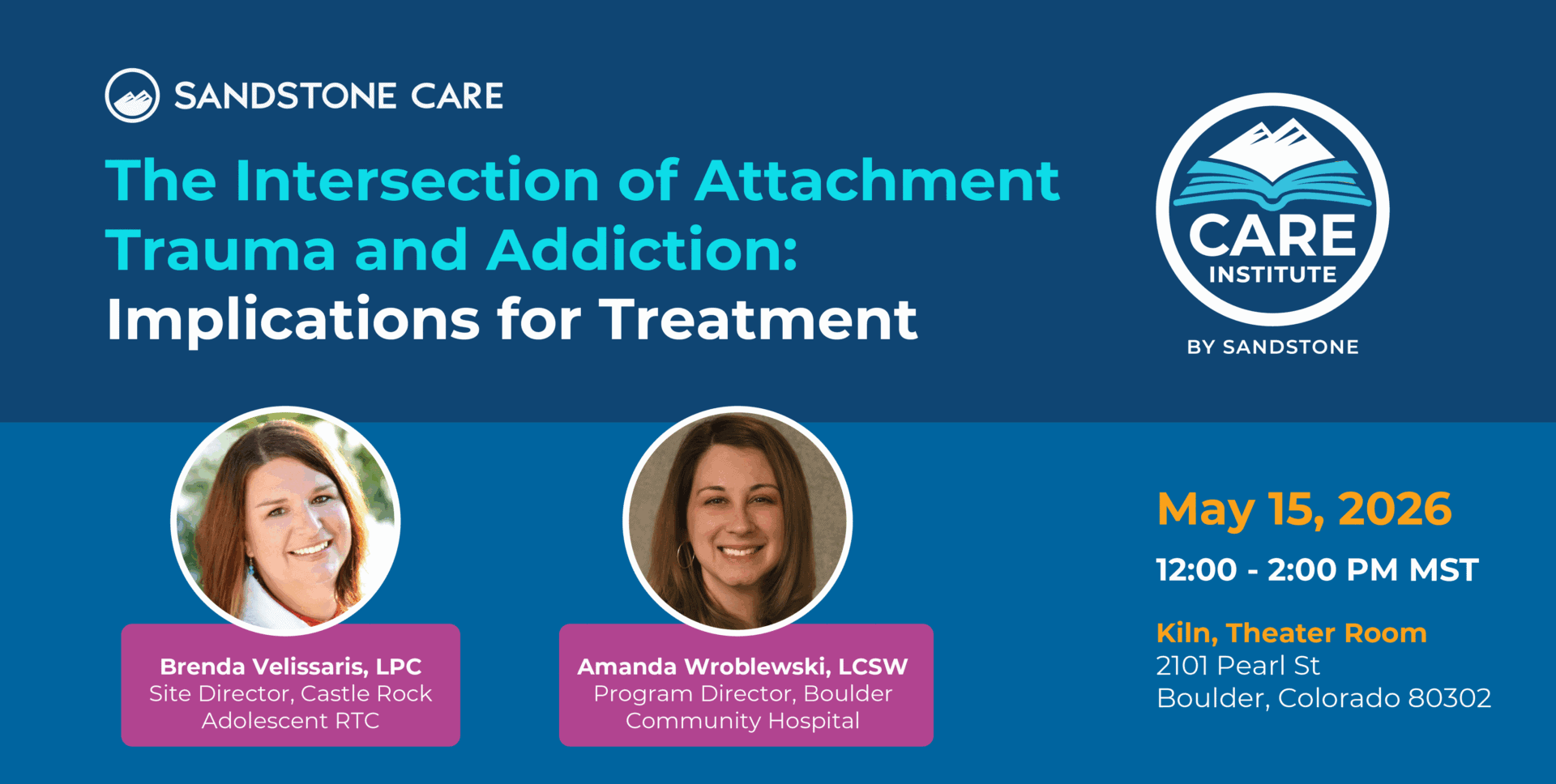
The Intersection of Attachment Trauma and Addiction: Implications for Treatment

Learning objectives:

  • Describe how childhood trauma and broken attachment bonds affect addiction.
  • Distinguish how to treat clients who have an addiction, level of care options, and evidence-based treatment.
  • Assess and refer a client for substance treatment.
Attachment Mst EmailArtboard 1
AUD Event CoverArtboard 1

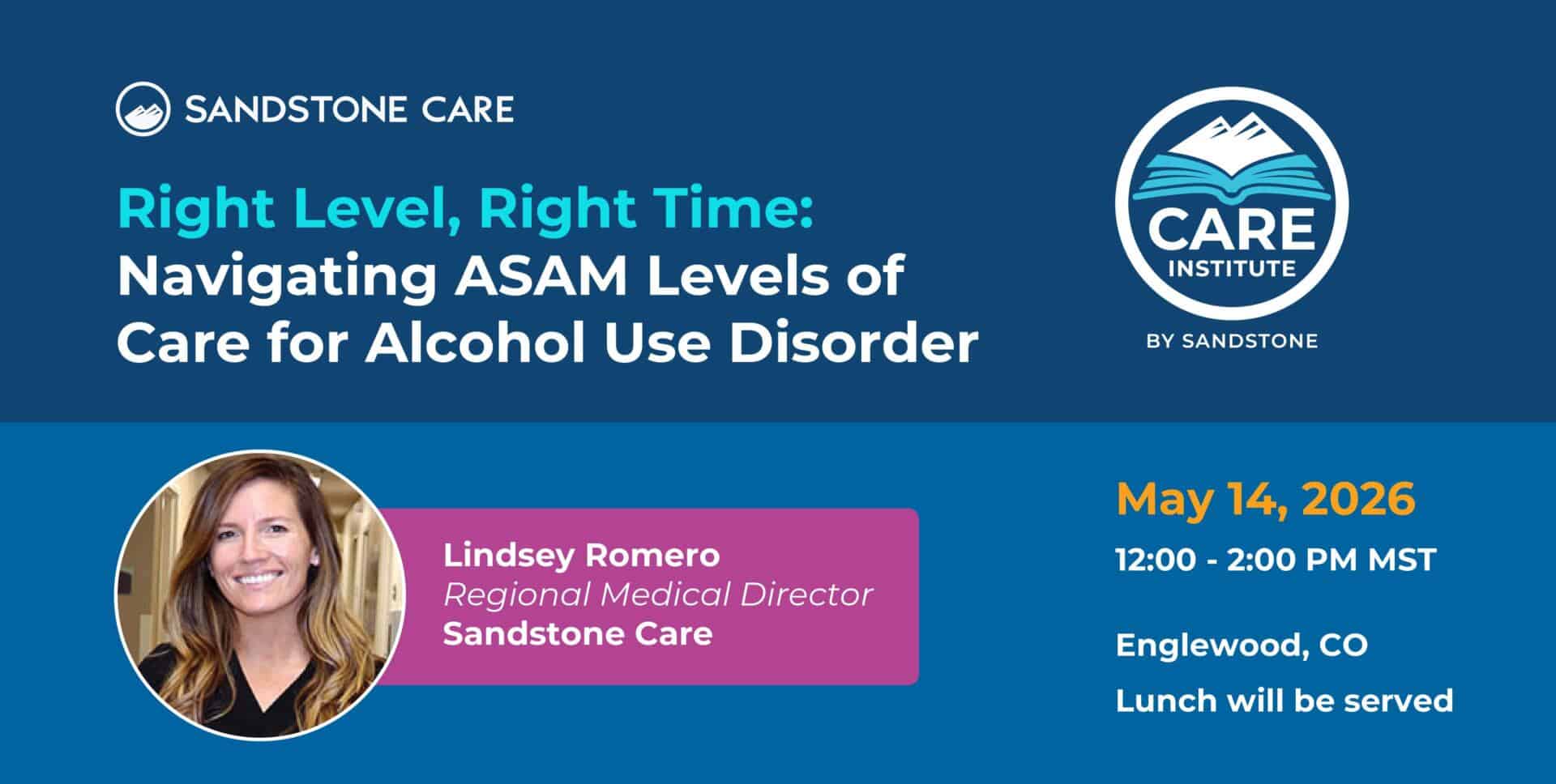
Right Level, Right Time: Navigating ASAM Levels of Care for Alcohol Use Disorder

Learning objectives:

  • Define alcohol use disorder (AUD) and briefly describe ways a professional may be able to screen and diagnose these patients.
  • List and describe the six ASAM dimensions and explain how they influence level-of-care placement for individuals with alcohol use disorder.
  • Differentiate between outpatient, intensive outpatient, high intensity outpatient, residential, and withdrawal management levels of care for AUD based on clinical risk factors.
  • Identify at least three indicators that warrant referral to medically monitored or medically managed withdrawal services.
  • Apply ASAM criteria to case examples to determine the most appropriate level of care.
  • Formulate appropriate referral questions to improve placement accuracy and decrease time to safe placement.

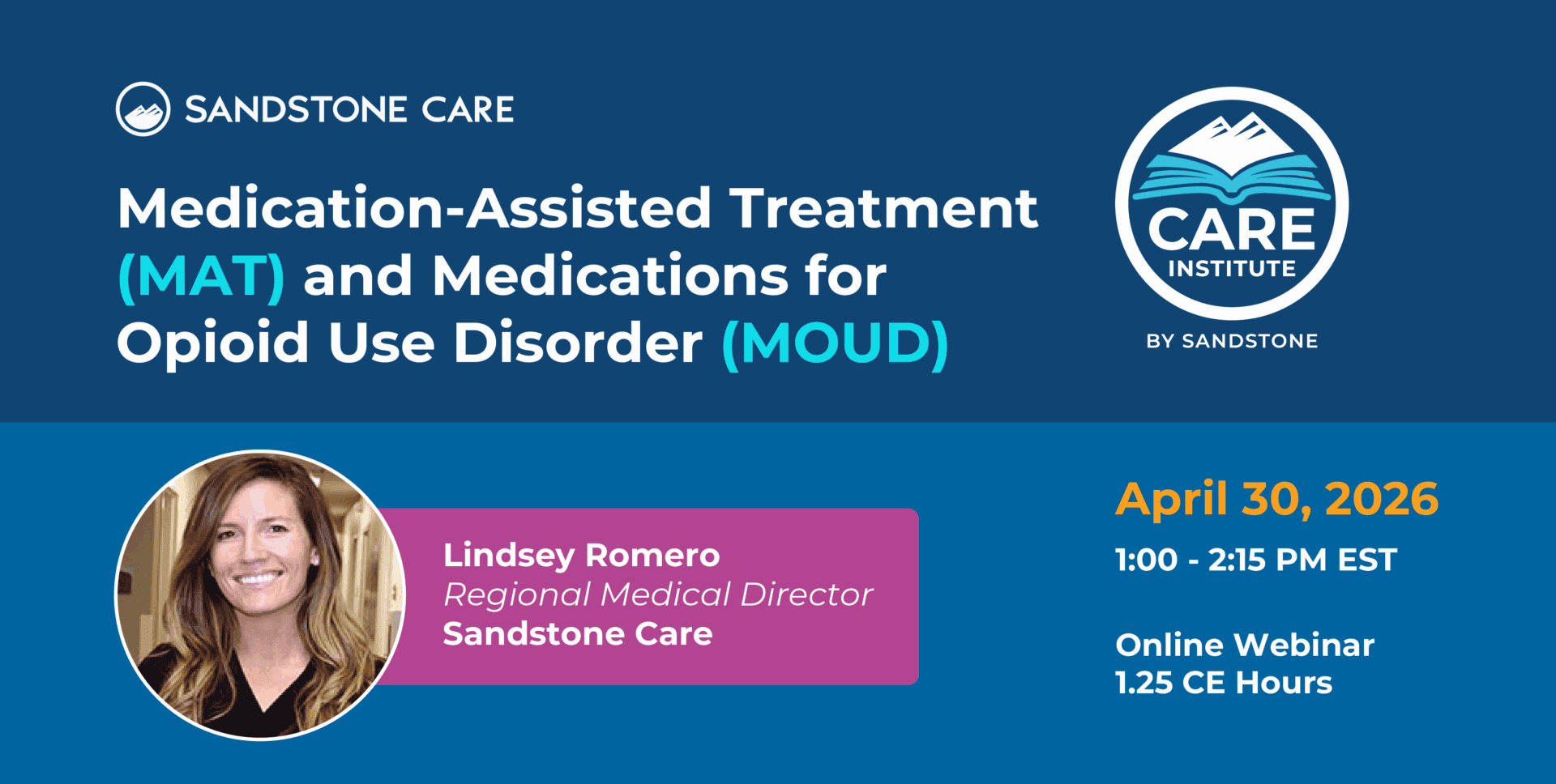
Medication-Assisted Treatment (MAT) and Medications for Opioid Use Disorder (MOUD)

Learning objectives:

  • Define Medication-Assisted Treatment (MAT) and Medications for Opioid Use Disorder (MOUD)
  • Demonstrate knowledge of basic medication options for the treatment of opioid use disorder (OUD), including their risks, benefits, and side effects
  • Compare outcomes for OUD patients treated with and without medication


MAT And MOUD event cover
DBT Email New LocationArtboard 1

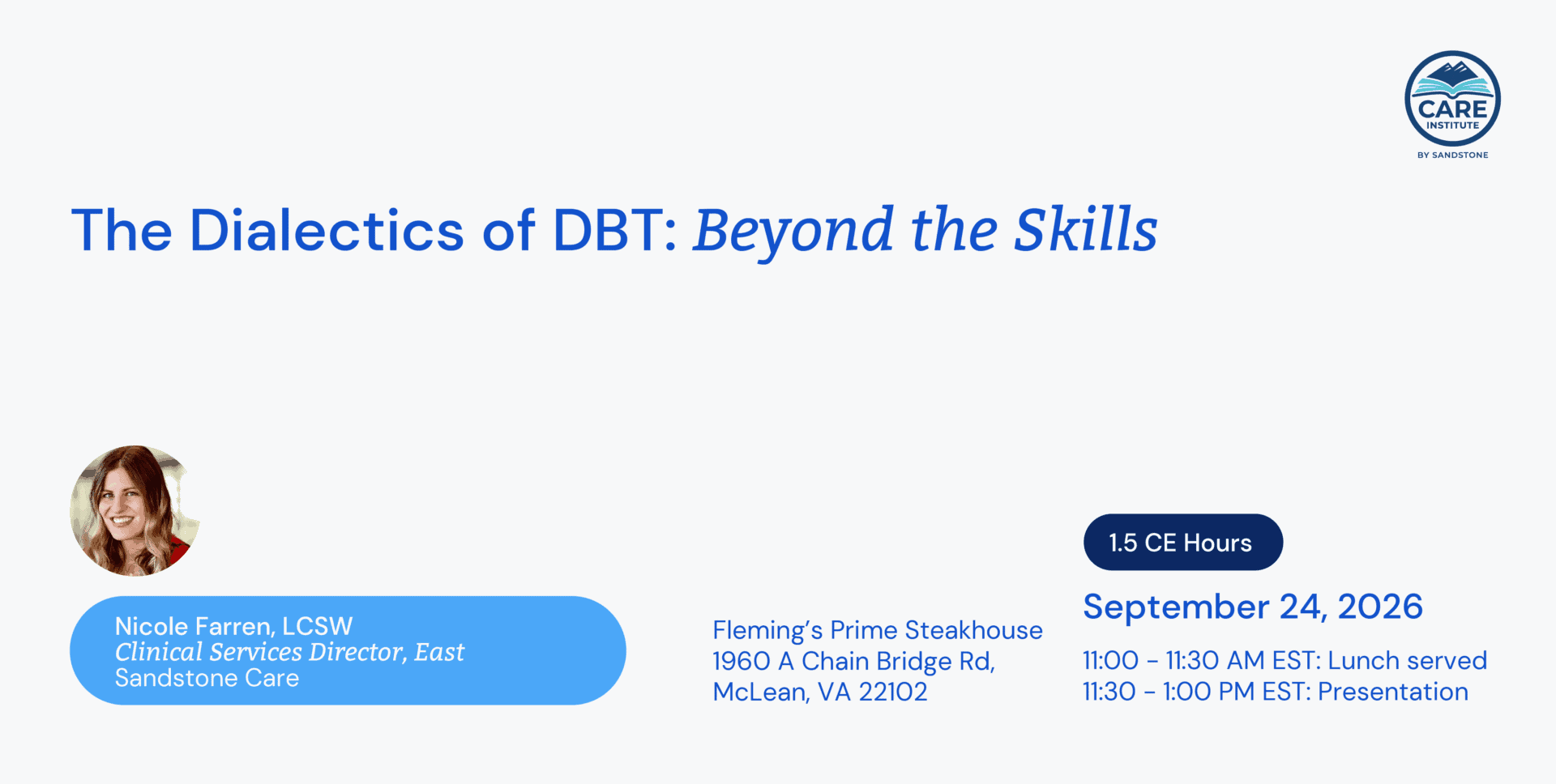
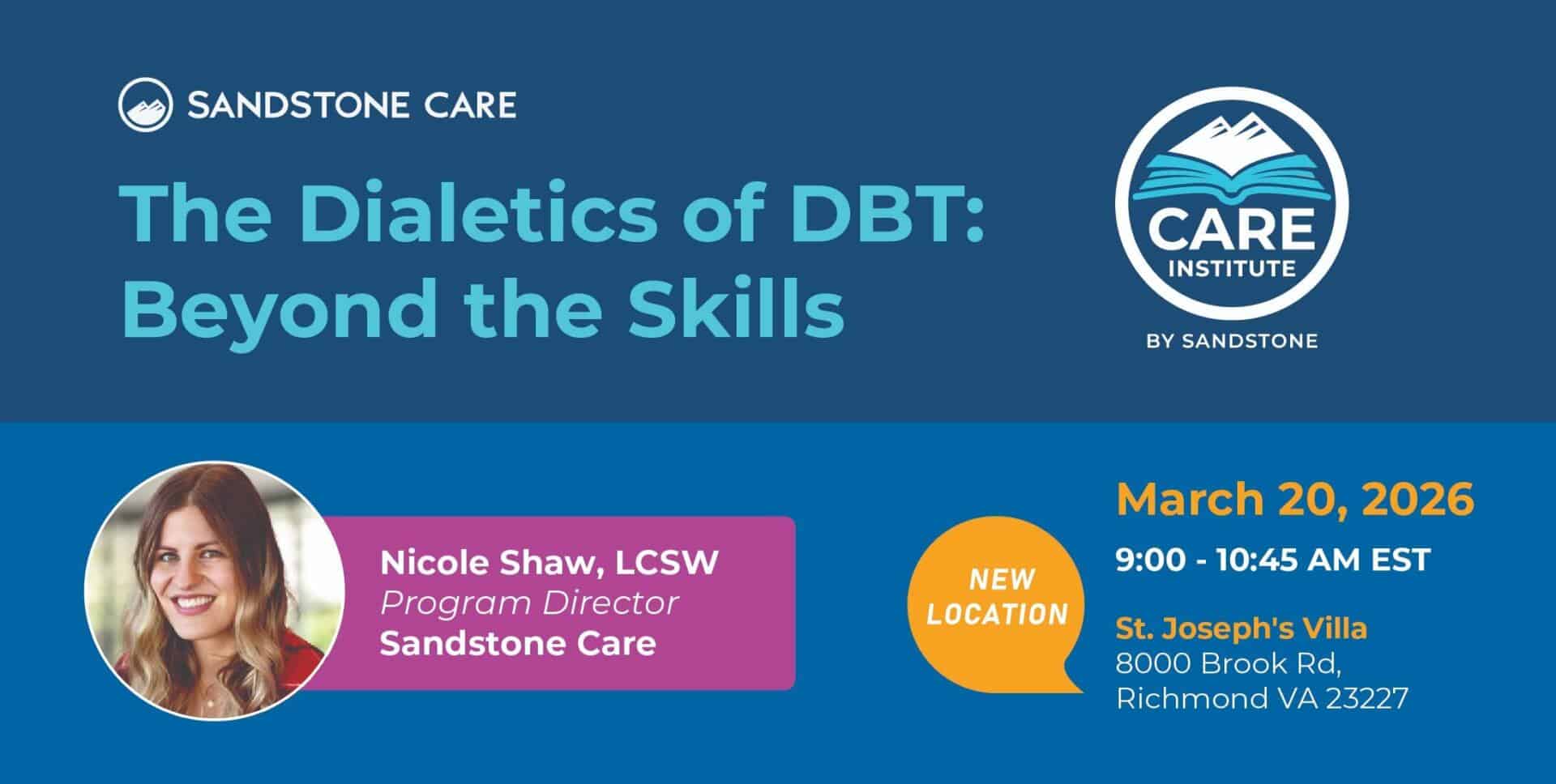
The Dialectics of DBT: Beyond the Skills

Learning objectives:

  • Discover some of the correlations between behaviorism, brain development, and depression/anxiety in today’s younger generations.
  • Consider the multifaceted approach of ‘dialectics’— that multiple opposing factors can all be true at once.
  • Apply dialectics to work with clients to identify the challenges in their lives that stand in the way of their values.
  • Understand and implement grounding and acceptance skills to promote lasting behavioral change in our clients.

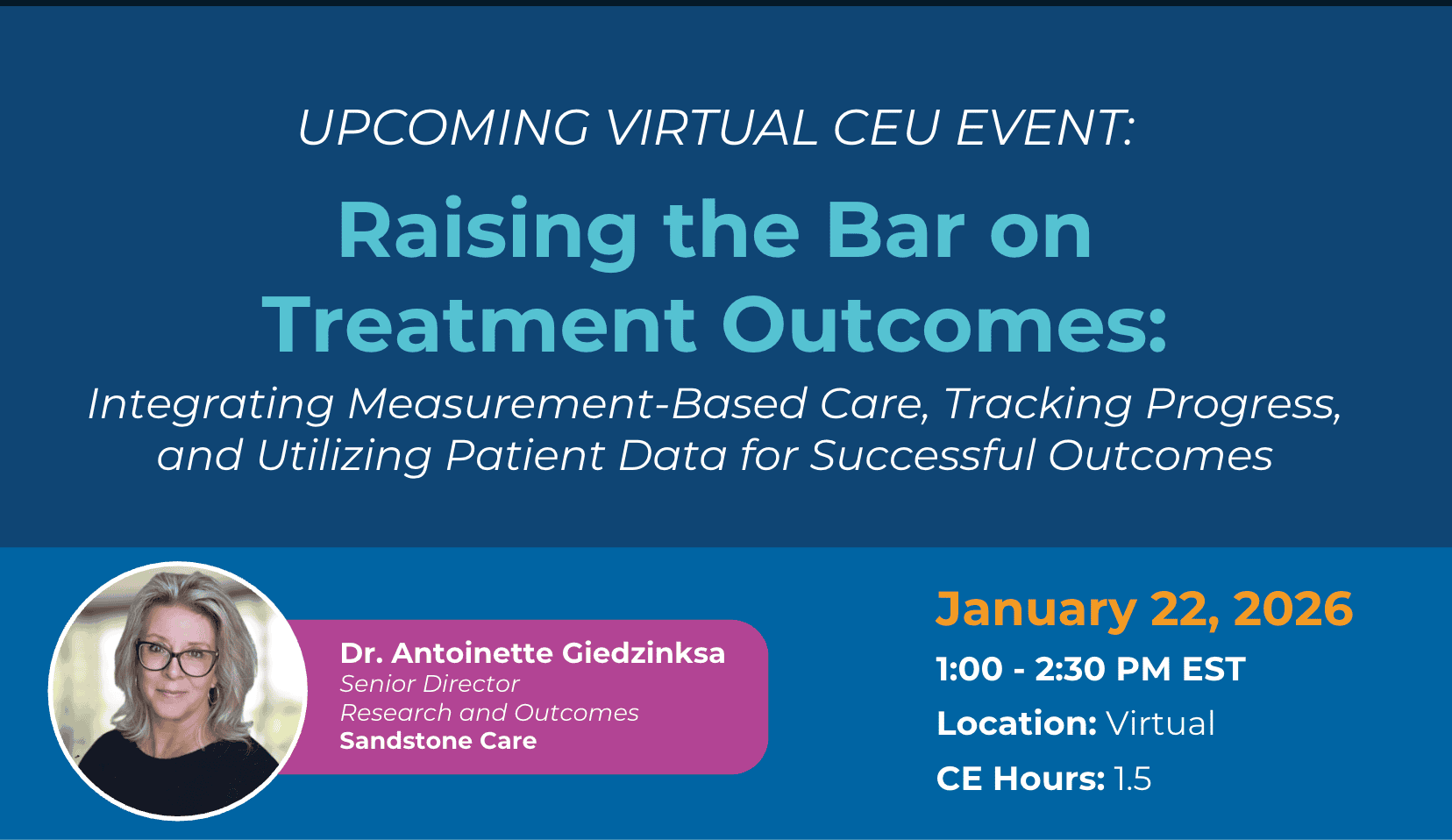
Raising the Bar on Treatment Outcomes

Integrating Measurement-Based Care, Tracking Progress, and Utilizing Patient Data for Successful Outcomes

Learning objectives:

  • To understand MBC and its benefits therein for therapeutic integration.
  • To consider the multifaceted approaches in tracking client progress to improve outcomes.
  • To identify processes and procedures toward implementing practices of MBC and ethical outcomes.
  • To consider the importance of MBC in assessment of risk and higher level of care referrals.

1.5 CE hours can be obtained by completing the webinar here. Free TPN account required.

Raising the Bar on Treatment Outcomes: Integrating Meaningful Measurement-Based Care, Tracking Patient Progress, and Utilizing Patient Data for Successful Outcomes | TPN.health

Upcoming Event Thumbnail
1

Raising the Bar on Treatment Outcomes

Learning objectives:

  • Explain measurement-based care and its benefits for therapeutic integration.
  • Compare multifaceted approaches in tracking client progress to improve outcomes.
  • Identify and describe processes and procedures for implementing measurement-based care practices and ethical outcomes reporting into their own practice or facility.
  • Summarize the importance of MBC in assessment of risk and higher level of care referrals.
School Avoidance Flyer SSC FINAL 2

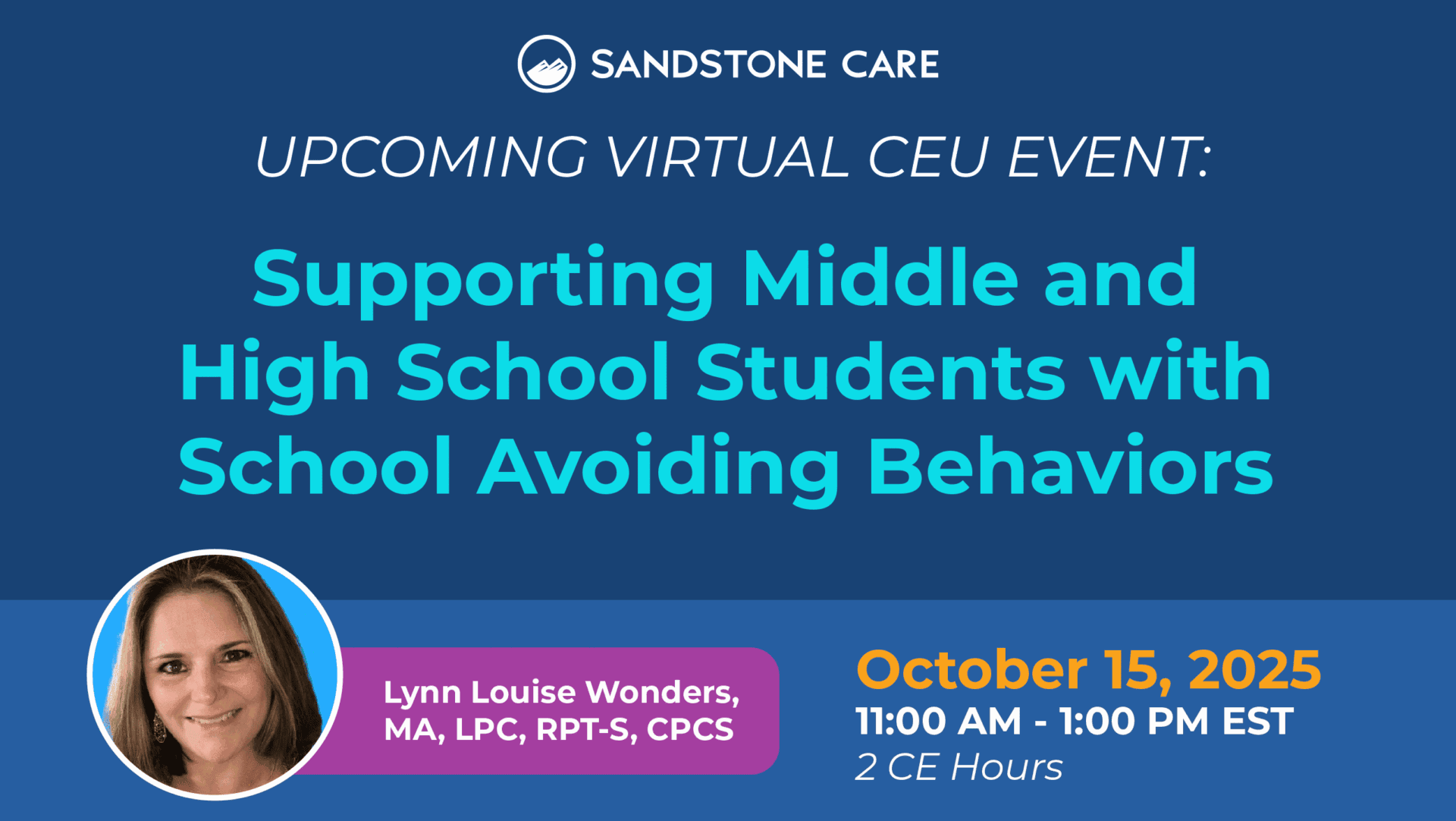
Supporting Middle and High School Students with School Avoiding Behaviors

Learning Objectives

  • List 3 possible underlying causes of school avoiding behavior.
  • Identify 8 strategies participants can utilize in both school and clinical treatment settings with young clients in middle and high school.
  • Develop a treatment plan for supporting a student who has school avoiding behavior.

2 CE hours can be obtained by completing the webinar here. Free TPN account required.

Supporting Middle and High School Students with School Avoiding Behavior | TPN.health

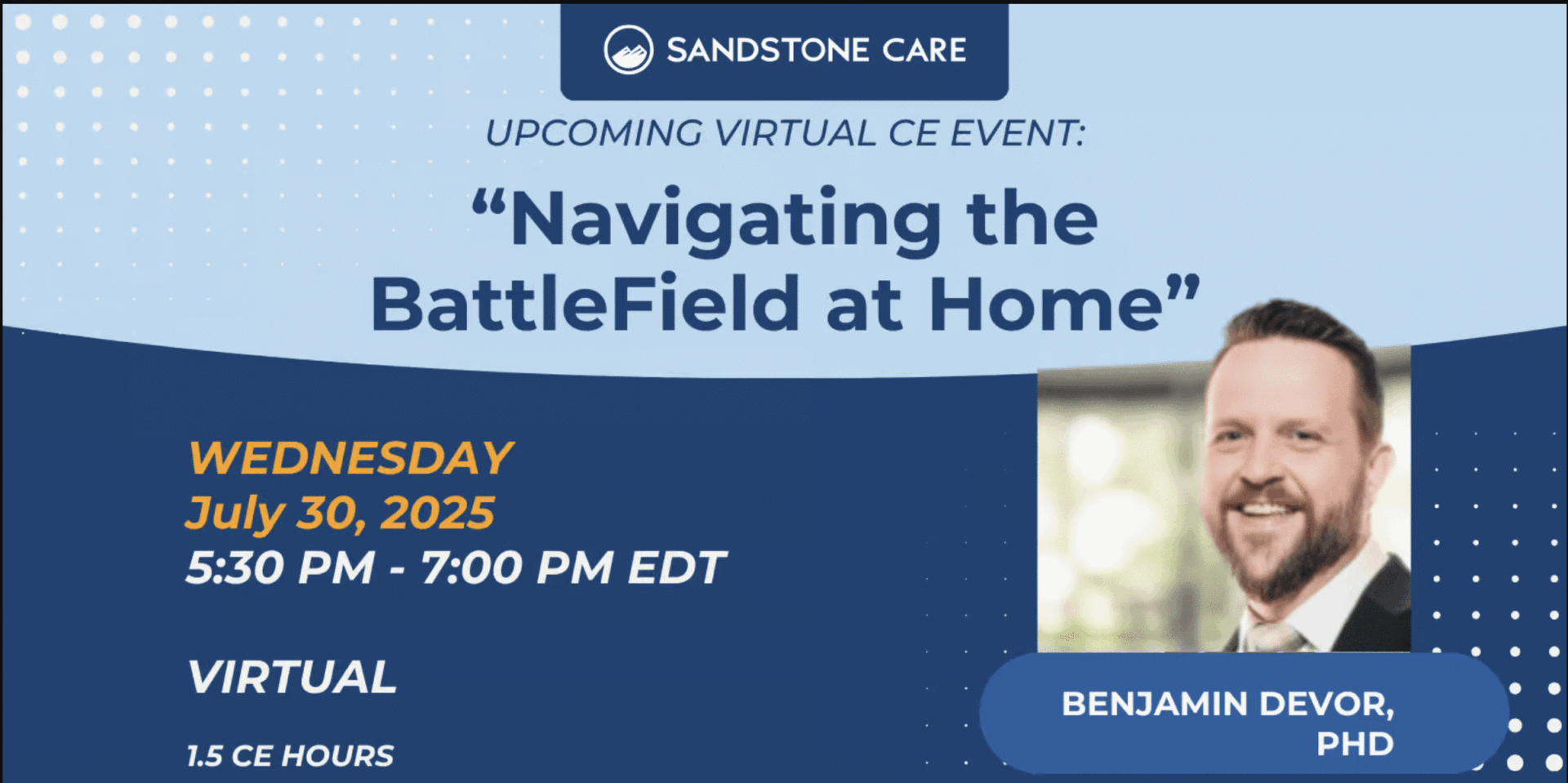
Navigating the Battlefield at Home: Specialized Strategies for Supporting Military Families

Learning Objectives

  • Gain critical knowledge and skills needed to support military families effectively.
  • Get a deeper understanding of the challenges faced by spouses, children, and extended family members of active-duty service members and veterans.
  • Become equipped with practical tools to enhance your clinical approach, build trust with military families, and provide culturally competent mental health support.

1.5 CE hours can be obtained by completing the webinar here. Free TPN account required.

https://app.tpn.health/education/navigating-the-battlefield-at-home-specialized-strategies-for-sup-38f7b7c5


Screenshot 2026 04 29 At 4.45.39 PM
3

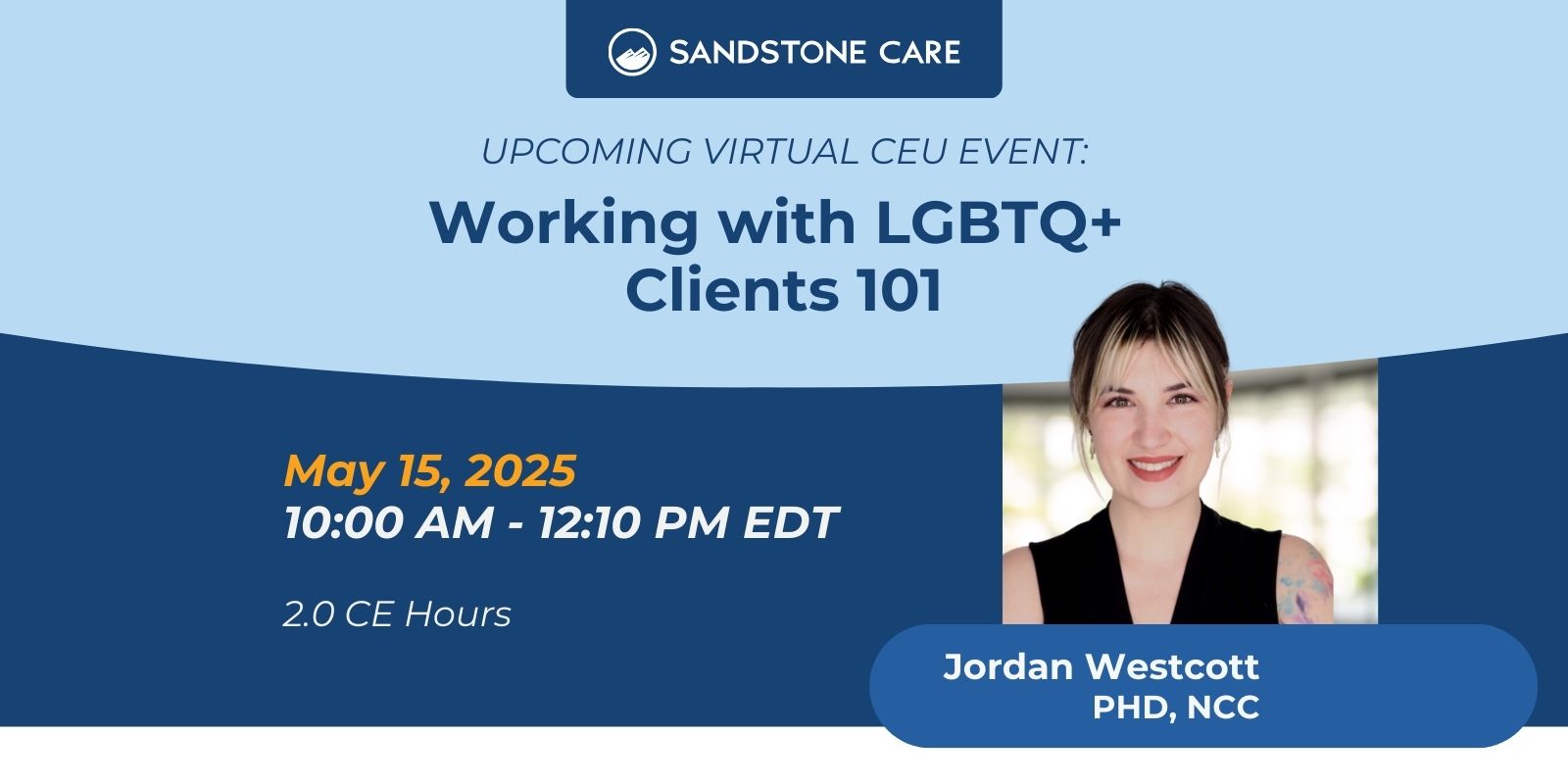
Working With LGBTQ+ Clients 101

Learning Objectives

  • Describe one or more risk and protective factors for LGBTQ+ adolescents, adults, and their families for mental health conditions and substance use disorders.
  • Utilize one or more strategies to integrate LGBTQ+-affirming care in their clinical practice.
  • Utilize one or more strategies to support LGBTQ+ adolescents, adults, and/or their families in their cultural context.

2.0 CE hours can be obtained by completing the webinar here. Free TPN account required.

https://app.tpn.health/education/working-with-lgbtq-clients-101-08e33755

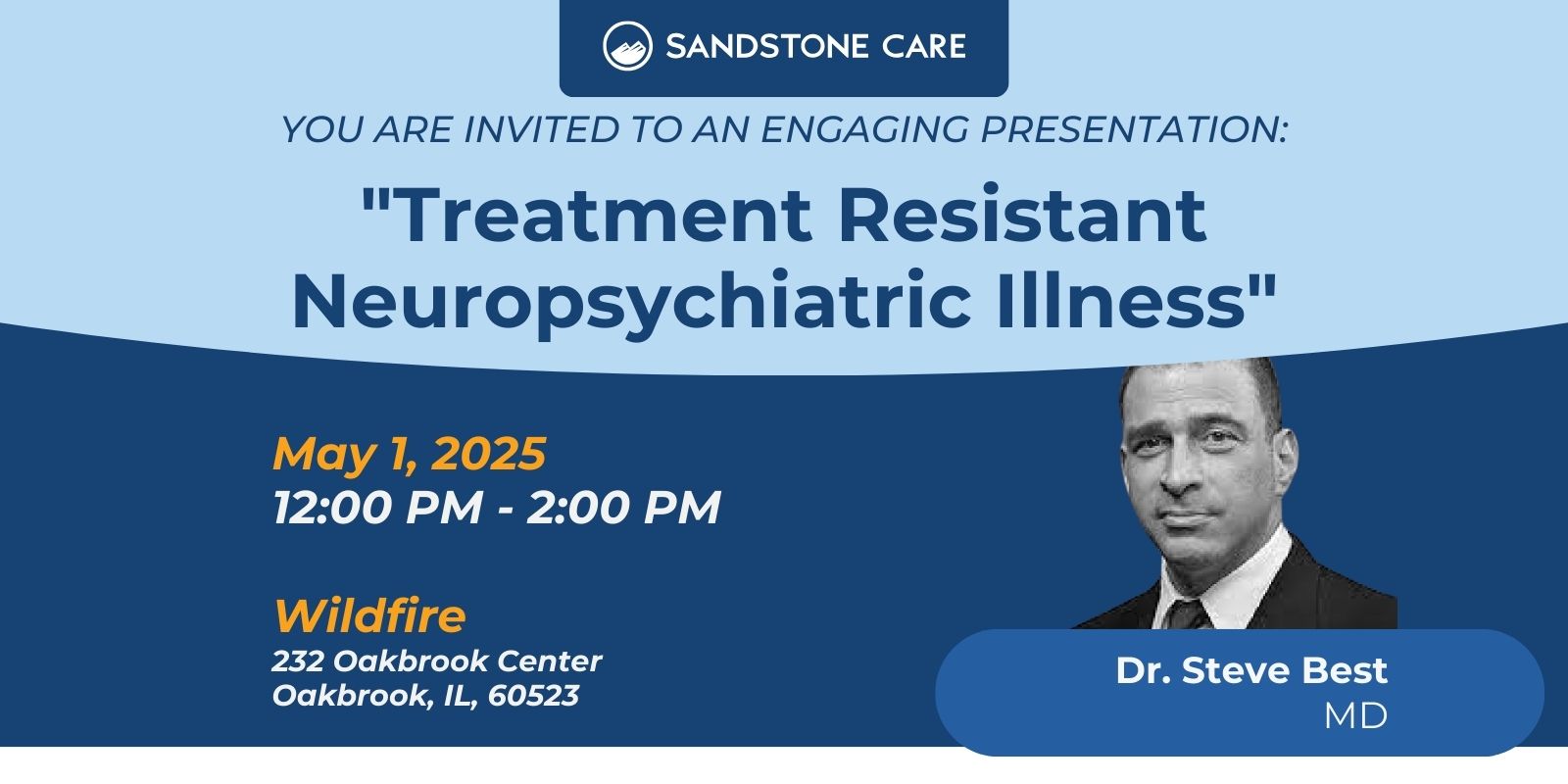
Treatment Resistant Neuropsychiatric Illness

Please join Dr. Steve Best of the Neuroscience Center and Sandstone Care for an engaging presentation about the nuances of treatment-resistant neuropsychiatric illness. Dr. Best will discuss the extent, causes, evaluation, and treatment approaches for this complex condition. Complimentary lunch provided by Sandstone Care.

1
2

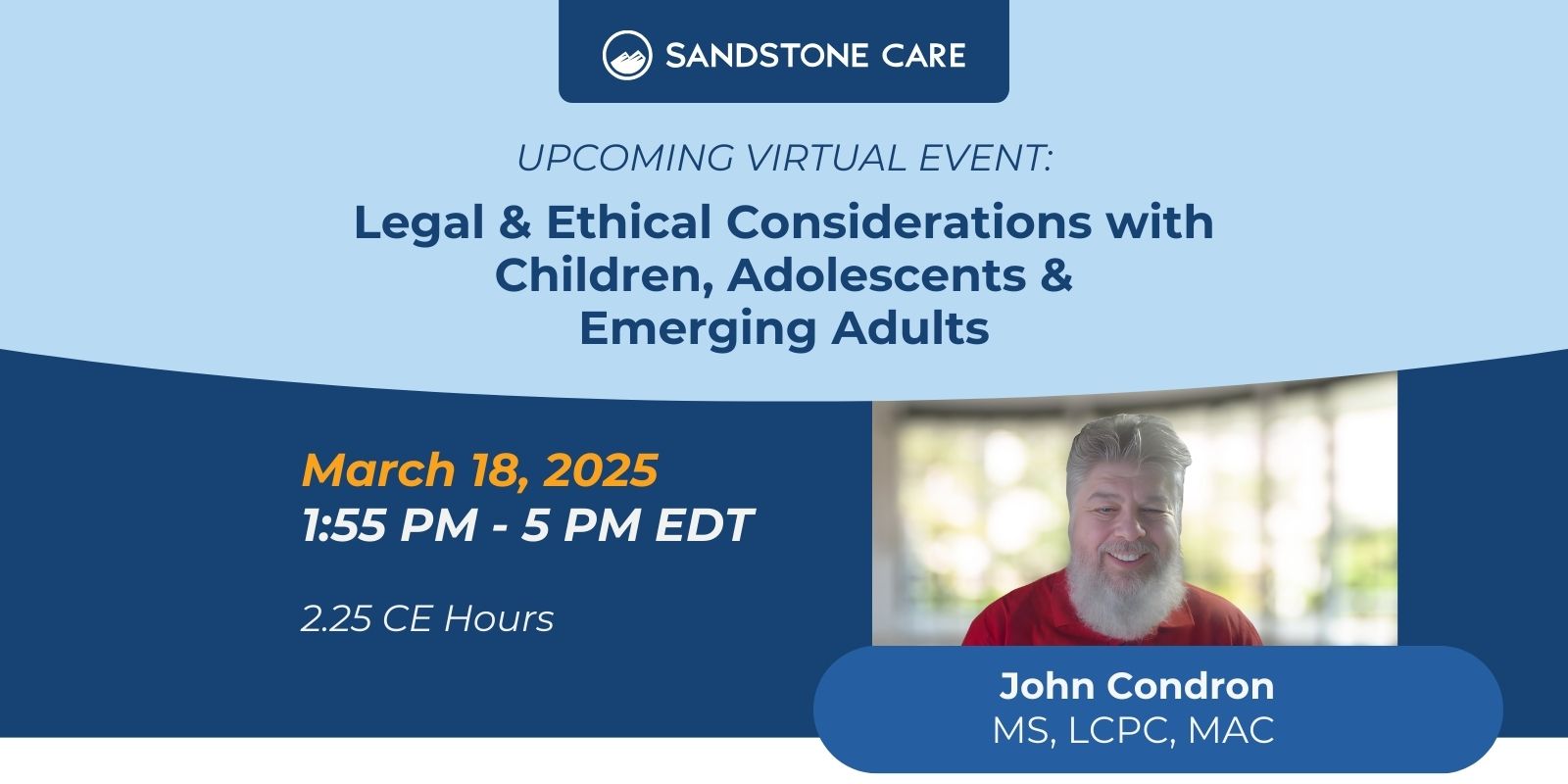
Legal & Ethical Considerations with Children Adolescents, & Emerging Adults

Learning Objectives

  • Apply the six common ethical principles identified by Beauchamp and Childress to dilemmas encountered by therapists working with children, adolescents and emerging adults
  • Explain how the developmental readiness of children, adolescents, emerging adults and their parents influence each of the three elements of validly consenting or assenting to treatment
  • Explain how the way a therapist handles LGBTQ+ and other sensitive issues might affect the therapeutic relationship, even with youth to whom those issues do not seem to apply

2.25 CE hours can be obtained by completing the webinar here. Free TPN account required.

https://app.tpn.health/education/legal-and-ethical-considerations-with-children-adolescents-and-em-e89f588d

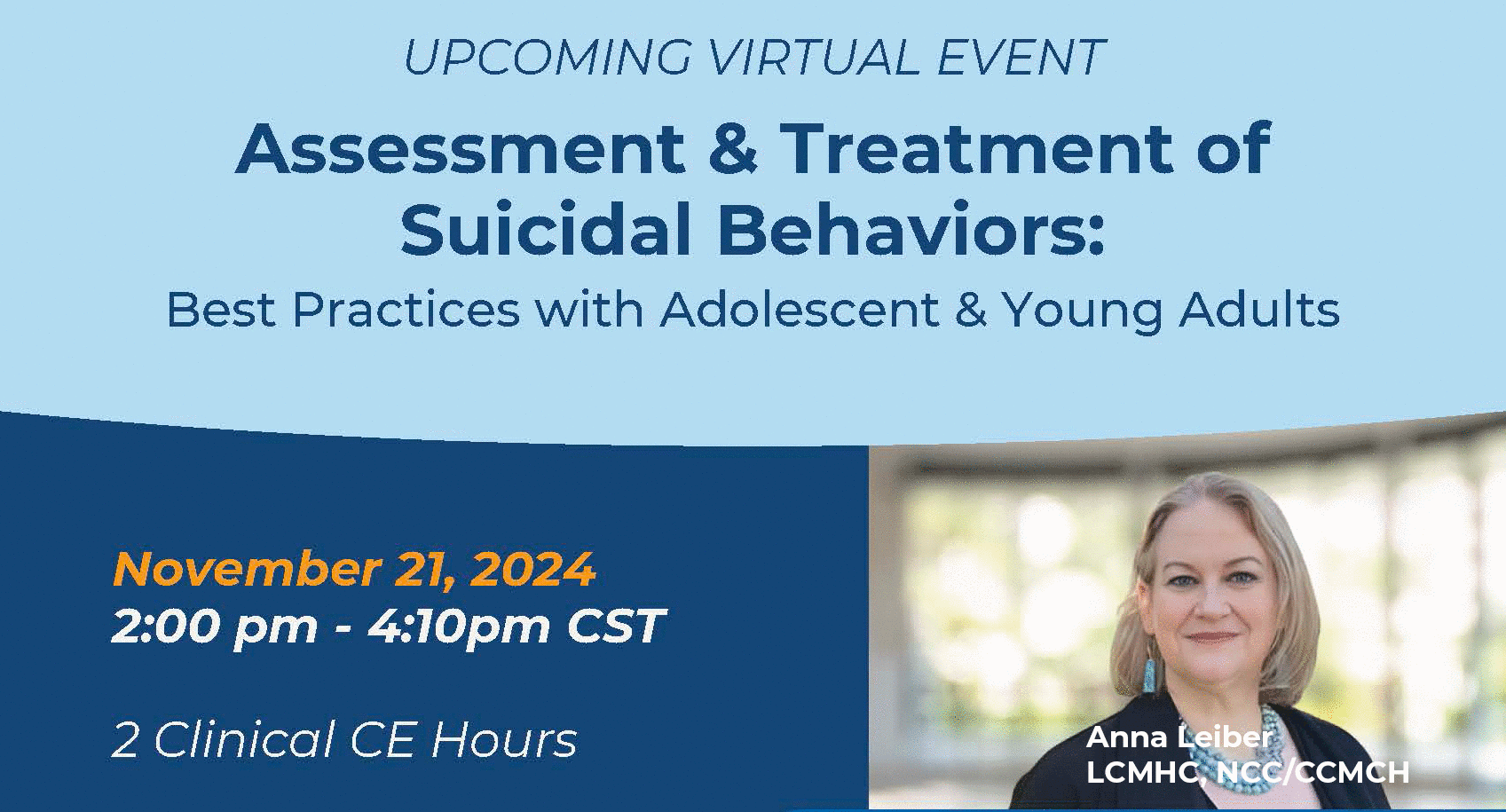
Assessment & Treatment of Suicidal Behaviors: Best Practices with Adolescent & Young Adults

Participants will be able to:

  • Identify 3 considerations when assessing for suicide risk with adolescents and young adults.
  • Describe 3 components of creating a collaborative safety plan with youth/young adults and their support systems and/or caregivers.
  • Describe 2 treatment interventions for suicidality.
  • Describe 3 possible reasons for the presentation of suicidal behaviors in adolescence.

1.25 CE hours can be obtained by completing the webinar here. Free TPN account required.

https://app.tpn.health/education/assessment-and-treatment-of-suicidal-behaviors-best-practices-wit

Virtual CEU Event Assessment And Treatment Of Suicidal Behaviors 3
Understanding Higher Levels Of Care CEU Event Flyer 3 2

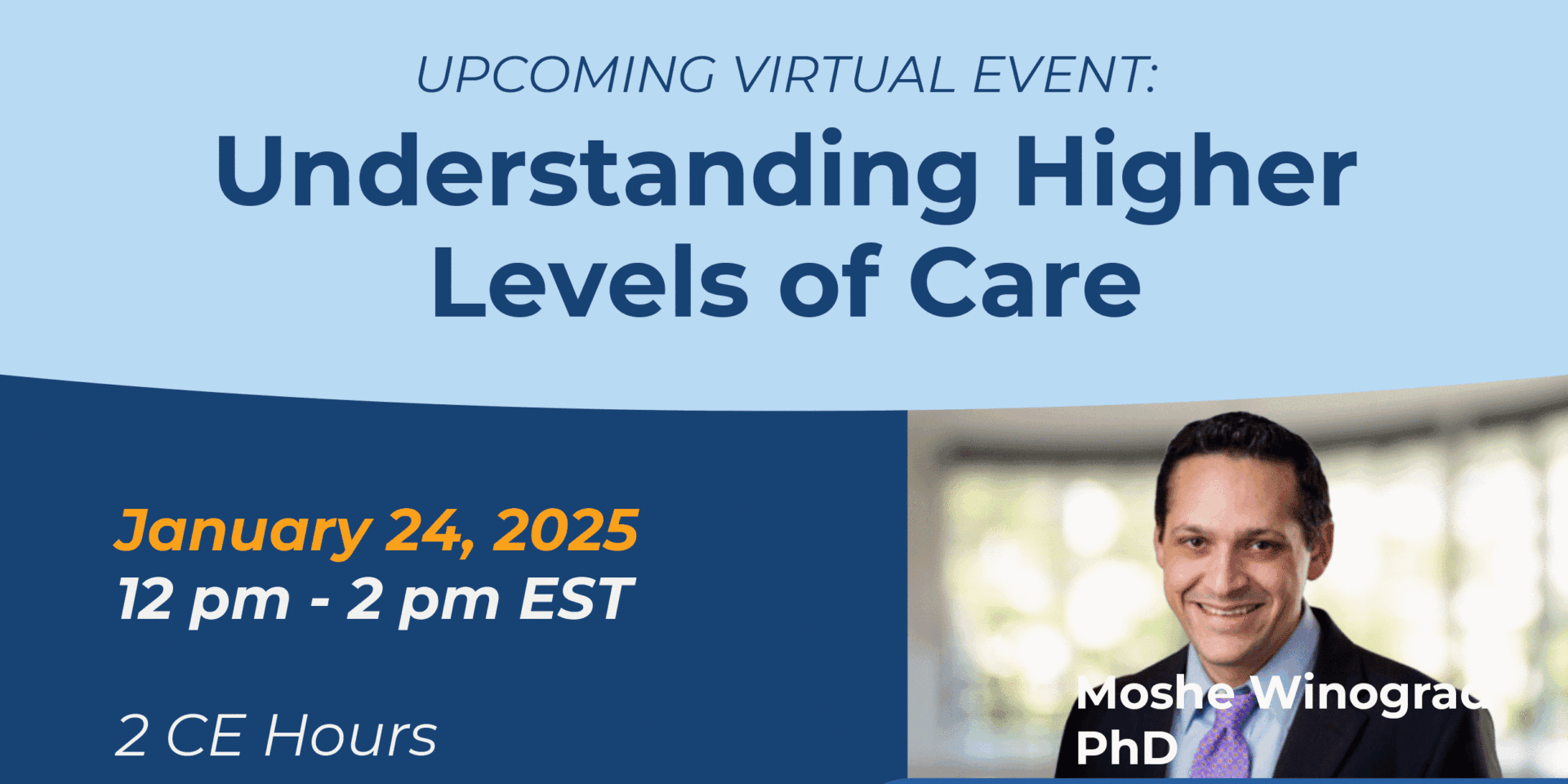
Understanding Higher Levels of Care

This workshop will increase attendees’ understanding of higher levels of care and how to make referrals for patients.

Participants will understand the differences between 3 levels of care, gain competence in determining when to refer for higher levels of care, and how to create a high quality referral for long-term treatment optimization.

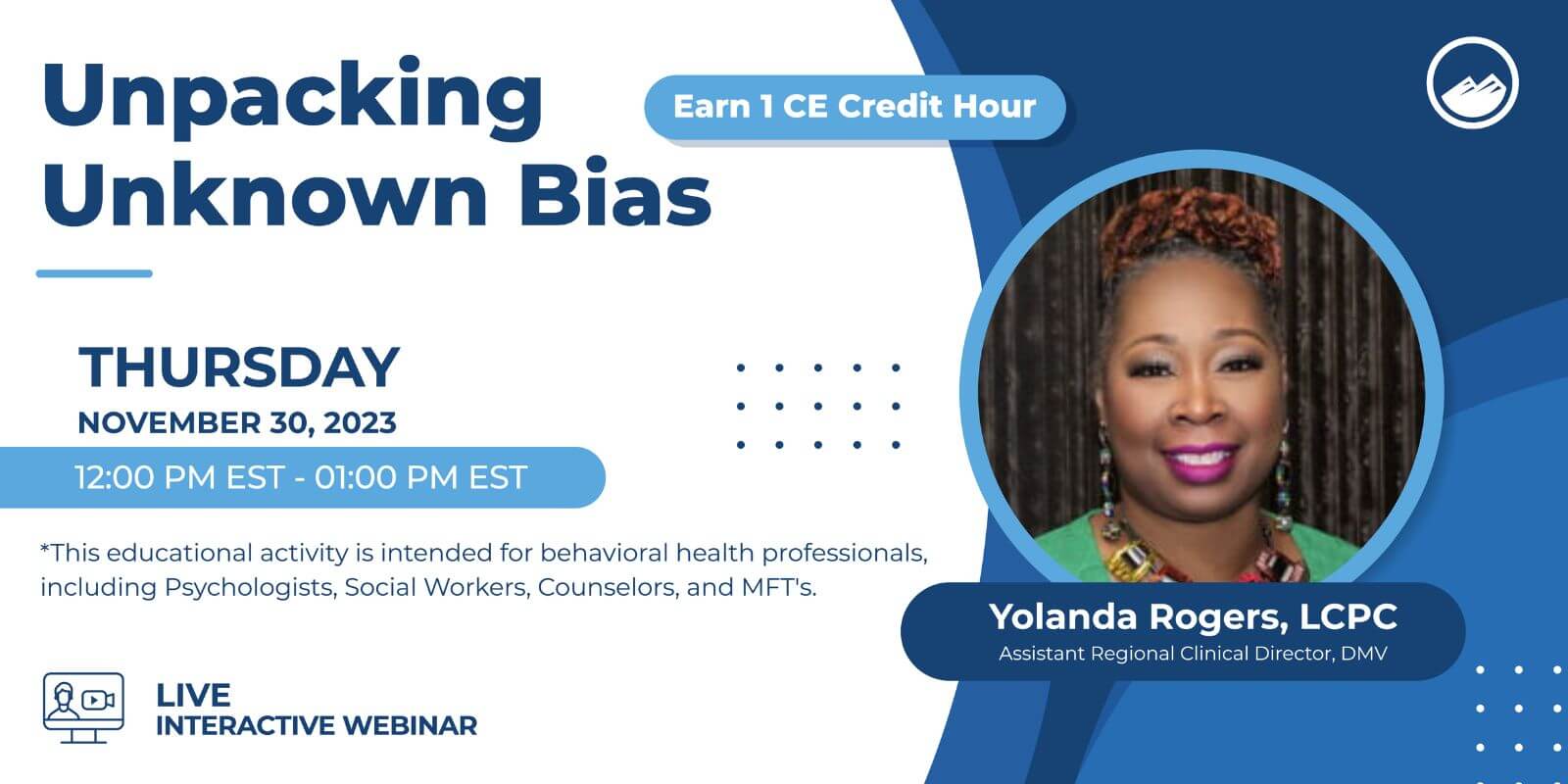
Unpacking Unknown Bias

Learning Objectives

  • Define various types of bias.
  • Recognize when their own bias shows up and articulate how this may impact the therapeutic relationship.
  • Discuss strategies for navigating any bias once they become aware.
a poster for the upcoming webinar, unpacking unknown bias
a poster for an event with a man in a suit and tie

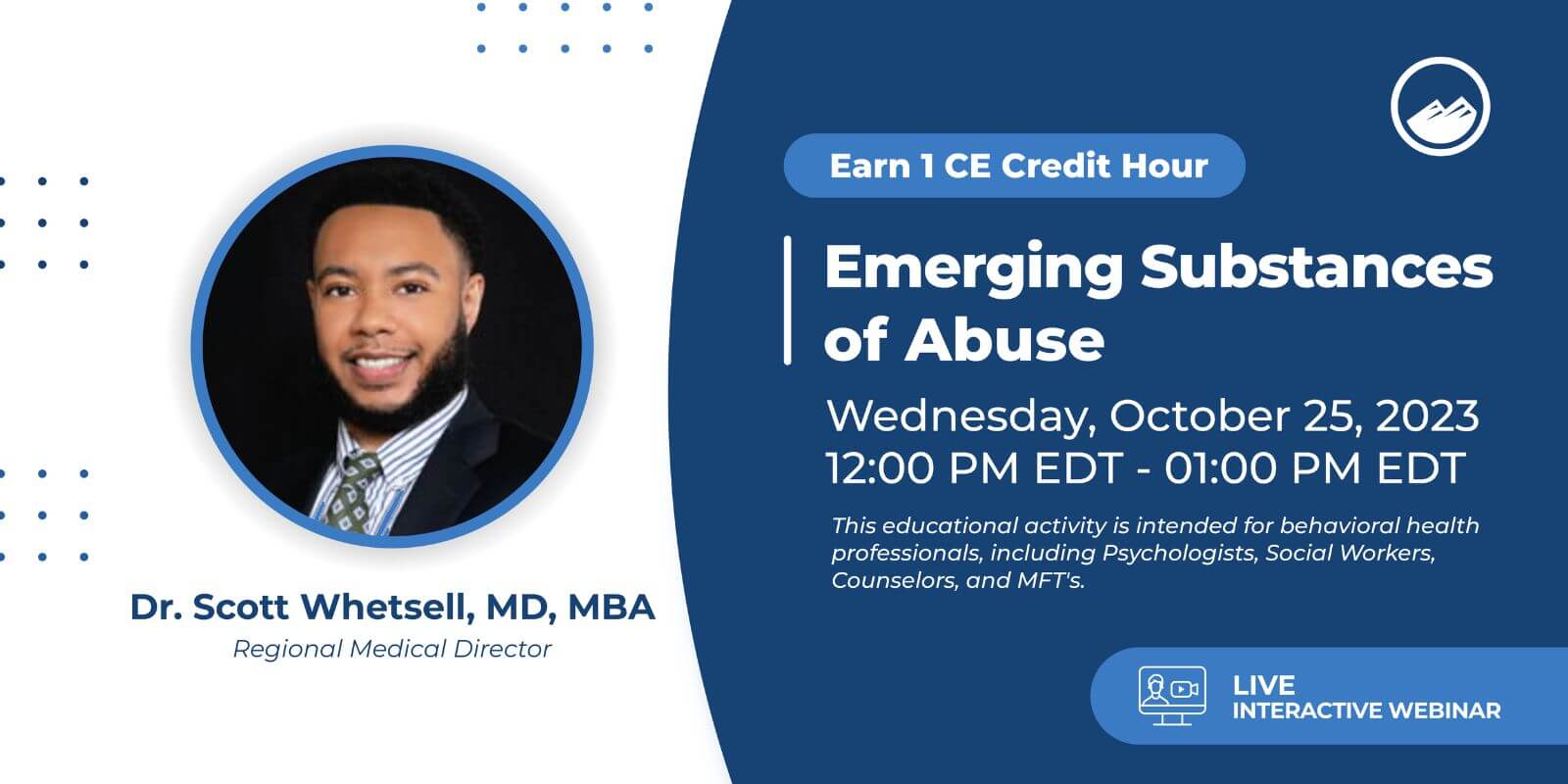
Emerging Substances of Abuse

Learning Objectives

  • Identify emerging substances of abuse (i.e. tianeptine, xylazine, delta-8 THC)
  • Discuss complications related to emerging substances
  • Discuss treatment options for emerging substances

LGBTQ+ Concerns in the Medical and Behavioral Health Fields

Learning Objectives

  • Verbalize the differences between sexuality and gender and common terms associated and used in each area.
  • Recognize barriers to care for LGBTQ+ community members and how to overcome some of these issues.
  • Identify at least two ways to create safer spaces for both patients and staff for those within the community.
is it maladaptive?
Is it Maladaptive? Webinar

Is it Maladaptive? Challenging our perceptions

Learning Objectives
  • Define and identify maladaptive coping.
  • List at least 2 alternative ways to manage self-harm and suicidal ideations with clients.
  • Assess how the clinician’s reaction impacts client responses.

Understanding The Current State of Fentanyl Use and Treatment

Learning Objectives

  • Discuss how Fentanyl differs from other opioids, and what makes it so dangerous.
  • Identify the present epidemiological trends concerning Fentanyl use.
  • List potential treatment and recovery options associated with Fentanyl abuse.
a close up of a bag of colorful beads and a bag of plastic beads
Current State of Fentanyl Use & Treatment