
A relapse usually means that someone has started using substances again after a period of abstinence or sobriety. However, for those following a harm reduction approach, it may mean a return to patterns of substance use that move away from their harm reduction goals.
For many, one of the hardest parts of recovery is worrying about what happens if you do relapse. A relapse can bring up strong feelings of shame or fear that your progress is lost.
Recovery is still possible, and a relapse is an opportunity to understand what happened, strengthen your support system, and adjust your recovery plan. All of your hard work still matters.
Whether you are seeking help for yourself, your teen, or a young adult in your family, early support can make a meaningful difference for long-term recovery.
Key Takeaways:
- A relapse is a process and not a single event. Recognizing warning signs can help you get back on track sooner.
- A relapse does not erase your progress. Instead, it provides information on triggers and additional support you may need moving forward.
- Seeking help early, whether from loved ones or professionals is one of the strongest steps you can take.
What Does It Mean to Relapse?
The definition of relapse is a return to substance use after stopping for a period of time or starting a harm reduction plan.
There is no set amount of time that you need to have been off a substance or following harm reduction strategies for it to be considered a relapse. The time can be days, months, or years.
Many people experience a period of improvement, where they are following their treatment plan before a relapse occurs. Experiencing setbacks and returning to old patterns of addiction can feel discouraging.
However, it is important to understand that relapse is often part of the larger recovery process.
Returning to substance use after a period of abstinence or reduction
A person with a substance use disorder may spend weeks, months, or even years building their life around healthier habits and coping strategies.
They may do all of the right things, like regularly attending therapy, developing new routines, rebuilding relationships, and setting themselves up for long-term sobriety or recovery.
However, even when someone does everything right, they can still relapse, and the severity varies. Some may use once and immediately seek help. For others, they may return to active addiction with frequent substance use before seeking help.
Your hard work still matters and the skills learned are still there but you may need additional support for long-term recovery.
Why relapse is often a process, not a single event
When people hear the word relapse, they often picture the moment someone takes a drink or uses drugs again.
In reality, that moment is often the final step in a series of thoughts and behavior changes that began days, weeks, or months earlier.
Recovery professionals often describe a relapse as occurring in three stages: emotional, mental, and physical. Before the physical stage of relapse occurs, a person may start withdrawing from healthy routines, avoiding support groups, or feeling overwhelmed by stress.
What relapse means for your recovery
Experiencing a relapse can make you feel like you let yourself and your loved ones down.
Substance use disorder is a chronic condition that requires ongoing treatment for management. Relapse rates for addiction are similar to those seen with other chronic conditions.
For example, people who have chronic conditions such as diabetes, asthma, or high blood pressure may also experience periods where their symptoms worsen, and they need to change their treatment plan.
The same goes for someone in addiction recovery. At Sandstone Care, we often remind clients that a relapse signals the treatment plan needs to change and additional support is needed. Our team works with you to help reassess your needs and adjust your level of support.
Research suggests that approximately 40-60% of people with a substance use disorder experience a relapse at some point. These numbers are similar to those with high blood pressure or asthma who experience relapses in their symptoms and need adjustments in care.
These numbers do not mean relapse is inevitable but for many, it is part of the process.
What Are the Three Stages of Relapse?
A relapse does not typically start all at once or with someone suddenly returning to drugs or alcohol.
Usually, it develops through a series of emotional, mental, and physical stages. Understanding the stages of relapse can help you and your loved one identify problems and intervene sooner.
Stage One: Emotional Relapse
An emotional relapse begins before the person is even consciously thinking about using drugs or alcohol again.
In this stage, they may be fully committed to sobriety or harm reduction. However, their behavior and emotions start moving them away from the healthy recovery habits and coping strategies they built.
Common signs of an emotional relapse include:
- Increased symptoms of anxiety, irritability, or sadness
- Skipping meals or eating more
- Changes in sleep, such as poor sleep or sleeping more
- Neglecting exercise or other self-care activities
- Isolating from friends, family, or other social supports
- Decreased attendance at recovery groups or therapy appointments
While these changes are often minor at first, as they go on, they can increase a person’s vulnerability to relapse.
This stage is often one of the easiest to intervene in when recognized. If the person can rebuild their healthy routines, reach out to trusted people in their support team, and start practicing healthy coping mechanisms, they may be able to stop the progression of a relapse.
Stage Two: Mental Relapse
During a mental relapse, the person’s mind becomes divided as they start to consider using again. This stage is often described as a mental tug-of-war.
Your loved one may want to continue with recovery, but another part of them may remember substance use in a more positive light. Consequences of addiction may feel less significant, and they may begin to focus more on the relief they believed substances provided from stress or anxiety.
Signs of a mental relapse may include:
- Thinking frequently of past substance use
- Romanticizing or thinking positively about past drug or alcohol use
- Spending time with people associated with previous substance use
- Increasing cravings and thoughts of using
- Thinking about opportunities to use
- Spending time thinking about how to get substances
- Bargaining with yourself and thinking thoughts such as “Just one time won’t hurt.”
- Minimizing past consequences of addiction
If you notice these signs in yourself or a loved one, seek help. Therapists can support you by using strategies such as cognitive behavioral therapy (CBT) to help reframe unhelpful or harmful thought patterns before they lead to action.
For example, a therapist using CBT may help someone challenge thoughts like, “I already messed up my recovery” to, “I am struggling right now, but I still have choices.”
This shift can help interrupt the stages and prevent the progression towards a physical relapse.
There are other ways to help interrupt a relapse at this stage, too, before it becomes a physical relapse. For example, attending a support group, reaching out to family or friends who support sobriety, and refocusing on healthy habits such as quality sleep and exercise can also help.
Stage Three: Physical Relapse
A physical relapse is what most people picture when they hear the word relapse. It is the point when someone returns to physically using drugs or alcohol after a period of recovery or harm reduction.
A physical relapse may involve a single episode of substance use or a return to active addiction. Every situation is different.
Using again does not mean recovery is over. However, it can be challenging to regain stability after a physical relapse, and seeking help is essential.
All stages of relapse, including physical relapse, provide important information about what your recovery process needs moving forward.
Consider:
- What was happening in your life before you used or thought about using
- If you can identify relapse triggers that you missed before
- What supports were missing that you need to include going forward
- Any other changes you would make to your relapse prevention plan
Reflecting on these questions can help you shift your thinking away from blame and towards learning and curiosity.
What Is the Difference Between Lapse and Relapse?
People often use the terms lapse and relapse interchangeably. However, they can describe different experiences, with a lapse usually briefer than a relapse.
What Is a Lapse?
A lapse is generally considered a brief or one-time return to substance use, or harmful use for those following harm reduction, that does not continue into ongoing use.
For example, someone in recovery may drink alcohol once at a social gathering and then stop. Or use a drug during a moment of intense stress, such as the night of a breakup, and then not use again.
In a lapse, the person immediately recognizes what happened and stops.
While a lapse should always be taken seriously, it does not mean that a person has returned to old patterns of addiction. Instead, it should be used as a warning signal. There may be a part of the person’s recovery plan that needs attention, or they may need additional support.
When Does a Lapse Become a Relapse?
A lapse becomes a relapse if substance use continues. Usually, in a relapse, the person also lets go of the healthy habits that supported their recovery.
For example, someone may tell themselves that they will only use once. Or may believe they will only have one drink at their friend’s wedding. However, over the following days, they may begin to use repeatedly, stop attending therapy sessions, or avoid friends and family.
The shift into relapse can happen slowly or quickly. There is no universal rule that determines when exactly a lapse becomes a relapse. Instead, it is the overall pattern of behavior and whether the substance use has become persistent.
Why Is It Important to Catch a Relapse Early?
It is important to catch a relapse early and recognize the warning signs to get help faster and strengthen coping mechanisms.
For example, someone experiencing a relapse may have experienced new relapse triggers since their initial treatment. Or they may have experienced a stressful life event, such as a move, job loss, or breakup, that triggered old coping patterns.
When relapses are caught earlier on, there is a better opportunity to intervene before it affects employment, school, family, or friendships.
Early intervention can help to prevent a brief lapse from becoming a more serious relapse.
Our team at Sandstone encourages people to seek help as soon as they notice warning signs, before the substance use becomes an ongoing pattern again. Our admissions team is here to help and can answer any questions about care options available.
It is essential to understand that asking for help during a relapse is a sign of strength. It is hard to acknowledge that you have relapsed. Recovery is not about being perfect. It is about choosing to continue to heal despite the difficult moments.

What Should You Do When Facing a Relapse?
Whether you are experiencing a lapse, relapse, or feel like you are struggling, remember this: You are not alone.
There are people who care about you and want to help. Reach out to someone you trust. Ask for help. Attend a group. Call a rehab center.
When is a relapse an emergency?
A relapse is an emergency, and you should call 911 or seek immediate medical care for yourself or a loved one if there is:
- Loss of consciousness or severe confusion
- Difficulty breathing
- An overdose or suspected overdose
- Seizures
- Thoughts of suicide, self-harm, or harm to others
- Mixed substances in a way that could become life-threatening (e.g., mixing a benzodiazepine with an opioid or alcohol with an opioid)
If you know someone has used opioids and is unresponsive or breathing too slowly, give Narcan if you have it. Even if you aren’t sure if they took opioids and just suspect it, Narcan won’t hurt the person if it wasn’t opioids; it just won’t have an effect.
Once the immediate medical emergency has passed, it is important to reconnect with treatment as soon as possible. Our admissions team at Sandstone Care can help individuals and families determine the most appropriate next step, whether that is detox, residential treatment, or outpatient care. Call us at (888) 850-1890.
How do I know what caused a relapse?
Many people ask themselves why they relapsed and experience intense self-blame and shame.
Or, in some instances, they may place that blame elsewhere and accuse other people or situations of why they relapsed.
The answer is usually more complicated than a single event and is often due to several factors occurring together over time.
Common relapse triggers include:
- High levels of stress
- Relationship conflict
- Loneliness of isolation
- Grief of loss
- Financial struggles
- Untreated or undertreated mental health conditions
- Unresolved trauma
A therapist can often help you identify unrecognized triggers and build a safety net of support for when these triggers happen again.
What should I do to get back on track after a relapse?
The first step feels hard, but it is simple. Reach out for help.
Tell someone you trust what happened. This could be a therapist, sponsor, healthcare provider, family member, or friend.
Next, revisit your recovery plan.
Ask yourself:
- What parts of your routine helped you?
- What changed before the relapse?
- What coping skills stopped being as effective?
- What additional treatment or support do you need? If you aren’t sure, whom can you ask for help?
These questions can help you break down areas that were working and where you need more support.
For some, getting back on track may mean returning to meetings or weekly therapy. Others may need a higher level of care, such as intensive outpatient therapies, medically supervised detox, or a residential treatment center.
At Sandstone Care, we understand that recovery is almost never a straight line, and we offer a full continuum of evidence-based addiction treatment. From medical detox and residential care to outpatient programs, clients can transition between levels of treatment as their needs change.
How to Move Forward After a Relapse?
To move forward after a relapse, treat yourself with compassion, seek help, and learn from the experience.
A relapse can bring up intense feelings, such as shame, fear, disappointment, or hopelessness. It is normal to feel like you have lost all progress and feel unsure of what to do next.
However, during your time actively engaged in sobriety or harm reduction, you likely rebuilt relationships and learned healthier coping skills.
A relapse does not erase those gains. It provides information that your treatment plan needs adjustments, not that you have failed.
The Substance Abuse and Mental Health Services Administration (SAMHSA) emphasizes that recovery is an individual process. It often includes several parts, such as ongoing treatment, peer support, and connection with community services. What works for one person might look different for you. Your recovery should reflect your unique needs and goals.
Respond to yourself with self-compassion
Treat yourself with self-compassion and respond to yourself with honesty and care instead of punishment.
It is completely normal to be your own worst critic. Your brain may try to tell you that you disappointed others, that you can’t recover, or that you’re stuck in other negative loops.
Instead of focusing on these thoughts, consider speaking to yourself the same way you would speak to someone you care about who is struggling.
Consider thinking, saying, or writing phrases, such as:
- “This was a setback, but it does not define me.”
- “I need support right now, and that is ok.”
- “I can learn from what happened.”
- “I am still working on my recovery, and I can adjust my treatment plan.”
It is also important to practice self-care, even if it is in small steps. Focus on things like:
- Eating regular meals
- Prioritizing healthy sleep
- Taking prescribed medications
- Spending time with supportive people
- Building back routines that previously helped you feel grounded
If doing all of these feels too overwhelming at once, start with one at a time and build from there.
Learn from the relapse experience.
A relapse provides important information about what was missing from your recovery plan.
Once you are physically safe and emotionally stable, look back at your relapse from a place of curiosity instead of self-blame.
Consider questions like:
- Were there early warning signs I overlooked?
- What relapse triggers can I identify?
- Which coping skills did I stop using? Which ones helped?
- Was I isolating myself, and whom can I reach out to next time if I notice myself going through the stages of relapse again?
- Did I think I was doing well enough to stop going to group or therapy?
- Was there an untreated underlying cause like grief, stress, anxiety, or depression?
The goal is to avoid overanalyzing or criticizing every decision, but to see if there are patterns you can identify. For example, maybe you realize that your relapse started with poor sleep from job stress. And then, because of your poor sleep, you started avoiding seeing friends or going to support groups because you felt too tired.
In this scenario, you might recognize how essential sleep is to your well-being and reach out to your healthcare provider or therapist for strategies the next time you notice stress affecting your sleep.
Surround yourself with support.
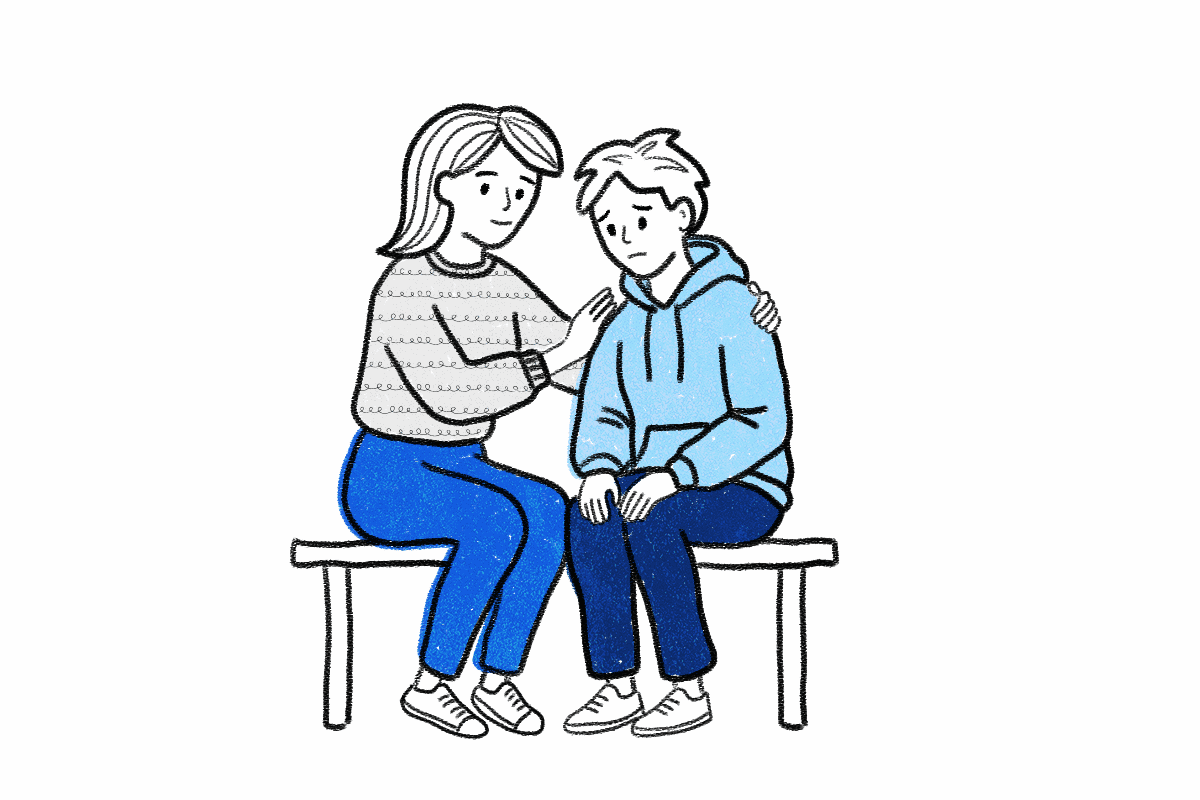
Addiction often grows in secrecy and isolation. In contrast, recovery is often strengthened through connection.
While you may initially feel embarrassed about telling anyone what happened, chances are that if you share in a support group, there are others who have walked a similar path.
It is normal to worry about what others will think. Consider that the people in your support network care more about seeing you get help than making sure you feel any sort of consequences from what happened.
Consider making a list of people who support your addiction recovery, such as:
- A counselor or therapist
- A sponsor
- A healthcare provider
- A trusted friend or family member
- Any other addiction treatment provider, such as coaches or counselors
Care might be informal, such as a close friend or family member you can call when you feel yourself struggling.
Or care might be more formal, such as a therapist or medical provider who can help you determine if you need a different level of care, medication management, or additional services.
For some people, medications for opioid or alcohol use disorder are an important part of relapse prevention.
Surrounding yourself with support is one of the most responsible things you can do on your recovery journey.
If your current support system no longer feels like enough or you would like to explore additional options, our team at Sandstone is here to work with you to build an individualized treatment plan. Call us at (888) 850-1890 or chat with us through our webpage during normal business hours. We accept most major insurances, and you can verify yours online with our tool.