

Lasting Results
The American Psychological Association created the policies for EBTs using the best research available. Studies have shown that these therapy treatments lead to longer-lasting results.
The teenage years are some of the most difficult but are also some of the most critical developmental years.
Teens may have low self-esteem, feel misunderstood, or like they don’t have a safe place to express themselves.
Teens who join treatment due to struggles with substance use, mental health, or co-occurring conditions, will participate in many forms of therapy sessions, whether individual, experiential, group, or family involved therapy.




Individual therapy allows a teen to work on themselves, develop healthy coping skills and therapy styles, and practice what they’ve learned.
The one-on-one therapy sessions are essential for teenagers to grow over time and build trust with their therapist, form a safe place where they can express themselves, and find the root cause of their substance use or mental health condition.
Every type of therapy is important, helps build self-awareness, and has its own place in a teen’s treatment plan
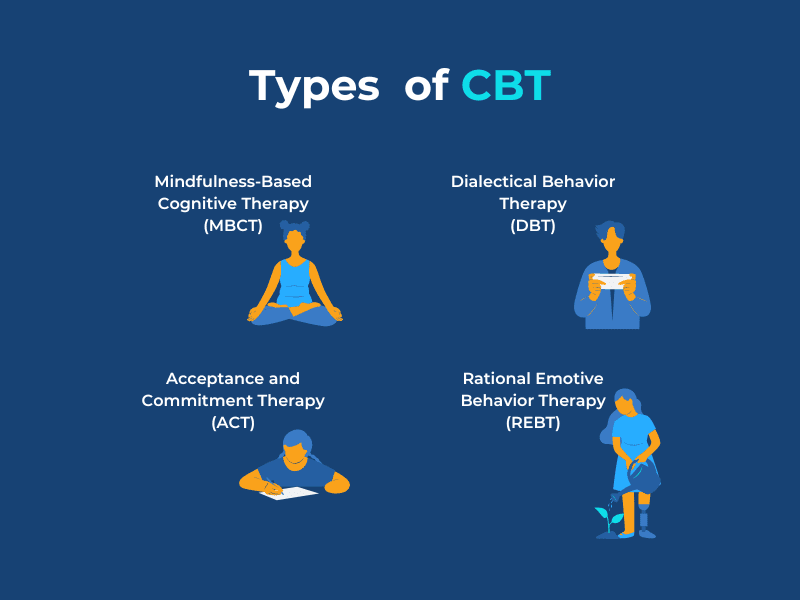
When creating your treatment program, our clinicians use many evidence-based therapy, which can be broadly categorized under cognitive behavioral therapy or CBT. CBT focuses on the relationship between thoughts, feelings, and behaviors.
It helps people to identify unhealthy thought patterns, and how these may be contributing to destructive behaviors and beliefs. There are a variety of therapies that fit under this general umbrella, including Rational Behavior Therapy, Rational Emotive Behavior Therapy, and Cognitive Therapy.
The different kinds of CBT include:
There is a significant body of research supporting the efficacy of cognitive behavioral therapy in addressing a variety of mental health challenges, including substance use, depression, anxiety, and schizophrenia.




The Continuum of Care
Access a full range of treatments for mental health and substance use disorders. Whether you need a safe residential living community, inpatient care, or outpatient therapy, we have a program to help.