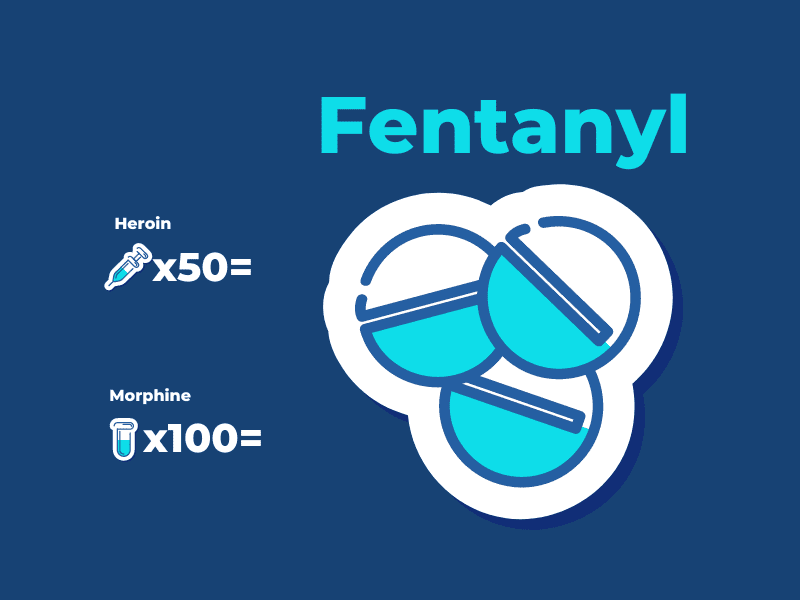
Fentanyl is a powerful synthetic opioid commonly compared to morphine but is 50 to 100 times more potent.

Although it is a prescription drug that may be used to treat patients with severe pain or chronic pain, it is also made and used illegally.
According to the National Institute on Drug Abuse, synthetic opioids, which include fentanyl, are the most common drugs involved in drug overdose deaths in the United States.
Fentanyl is highly addictive because it is so potent.
Even someone prescribed fentanyl can develop a dependence, which involves experiencing withdrawal symptoms when someone stops using a substance. Dependence is not the same as addiction; however, it can quickly lead to it.
Fentanyl is an extremely strong and powerful substance.
To put it in perspective, the CDC also reports that fentanyl is 50 times stronger than heroin and 100 times stronger than morphine. Substances can contain deadly amounts of fentanyl without a person being able to see it, smell it, or taste it.


Some teens may use fentanyl to feel “euphoric” or extremely happy.
However, its euphoric effects are only temporary and come with a number of negative effects. Fentanyl can make a person feel drowsy, confused, nauseous, and constipated.
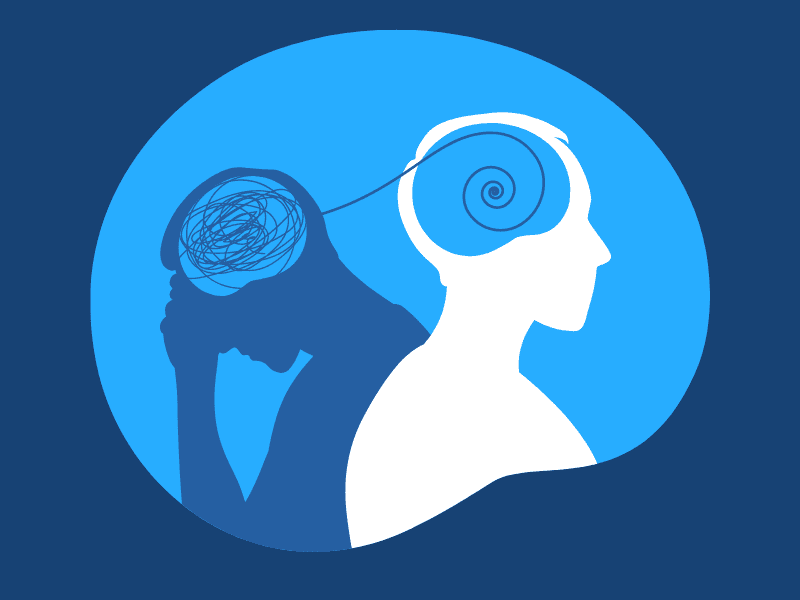
When a person becomes addicted, the brain seeks the drug over and over again to feel “normal” again. Additionally, someone experiencing withdrawal may become agitated or depressed because of the changes in brain chemicals.
Someone who has been exposed to fentanyl or has become intoxicated may experience symptoms such as:
According to the U.S. Food and Drug Administration, accidental exposure to fentanyl patches can cause overdose and become fatal for kids.
The FDA highlights the need to store and dispose of it properly. Some people may be prescribed fentanyl patches for long-term pain medicine; however, it is extremely dangerous and deadly if a child gains access to it.
People who develop a dependence or addiction to fentanyl may experience withdrawal symptoms.
Symptoms can include:
The Continuum of Care
Access a full range of treatments for mental health and substance use disorders. Whether you need a safe residential living community, inpatient care, or outpatient therapy, we have a program to help.
A teen who is using fentanyl or has an addiction may show signs such as:
Short-term effects of fentanyl addiction in teens can include:
Long-term effects of fentanyl use and addiction in teens can include:
It is common for mental disorders to co-occur with substance use disorders; however, it can make the treatment process more complex.
Some people struggling with mental health issues may turn to substances to self-medicate, and vice versa.
When considering treatment, it is important to identify and address each problem rather than treating it as one disorder.
Teen fentanyl addiction treatment can involve medication and behavioral therapies. Sandstone Care is here to support teens and young adults struggling with mental health and substance use disorders.
11820 Parklawn Dr. #403, Rockville, Maryland, 20852
(301) 321-7362
4880 Sadler Rd, Suite 110, Glen Allen, Virginia, 23060
(804) 534-2950