

Call (888) 850-1890
Ask about our trauma treatment options and locations.
For young adults, experiencing trauma can cause life-altering changes. It can be especially difficult because the emotions that may come along with traumatic experiences are so complex as young people are going through major transitions and development.
Now accepting clients up to age 30 (potentially up to 35 with assessment)




Post-traumatic stress disorder (PTSD) is a disorder that develops in individuals who have experienced a traumatic life event.
PTSD can make it difficult for someone to function on a day-to-day basis and can be associated with symptoms such as nightmares, flashbacks, and frightening thoughts.
PTSD can develop at any age, from children, those who have been through abuse or disaster, those who have experienced natural disasters, to war veterans.
PTSD can look different from person to person but can commonly be associated with feelings of isolation, depression, or anger.


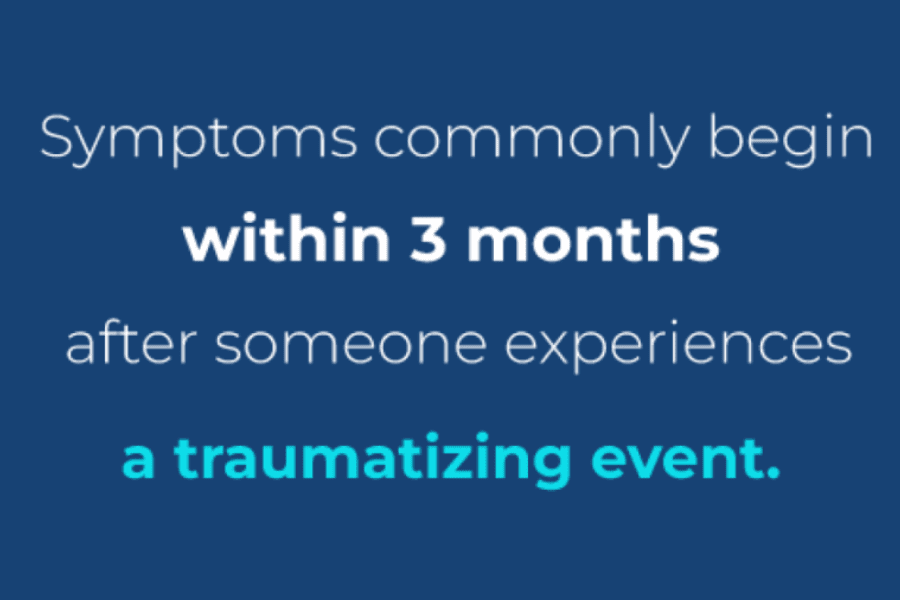
After someone experiences a traumatizing event, symptoms commonly begin within 3 months of the incident. In some cases, symptoms may come up years after.
To be considered PTSD, symptoms must last over a month and impact their everyday lives.










Sandstone Care offers age-specific, individualized, and evidence-based treatment programs that help you regain control of your life and achieve lasting recovery.
Different factors can play a part in the development of PTSD in young adults.
Some people can develop PTSD after someone close to them experiences harm or if a loved one passes away.
Some factors that may increase the risk for PTSD may include:
Research is also being done to determine whether genetics and neurobiology may play a role in the development of PTSD.
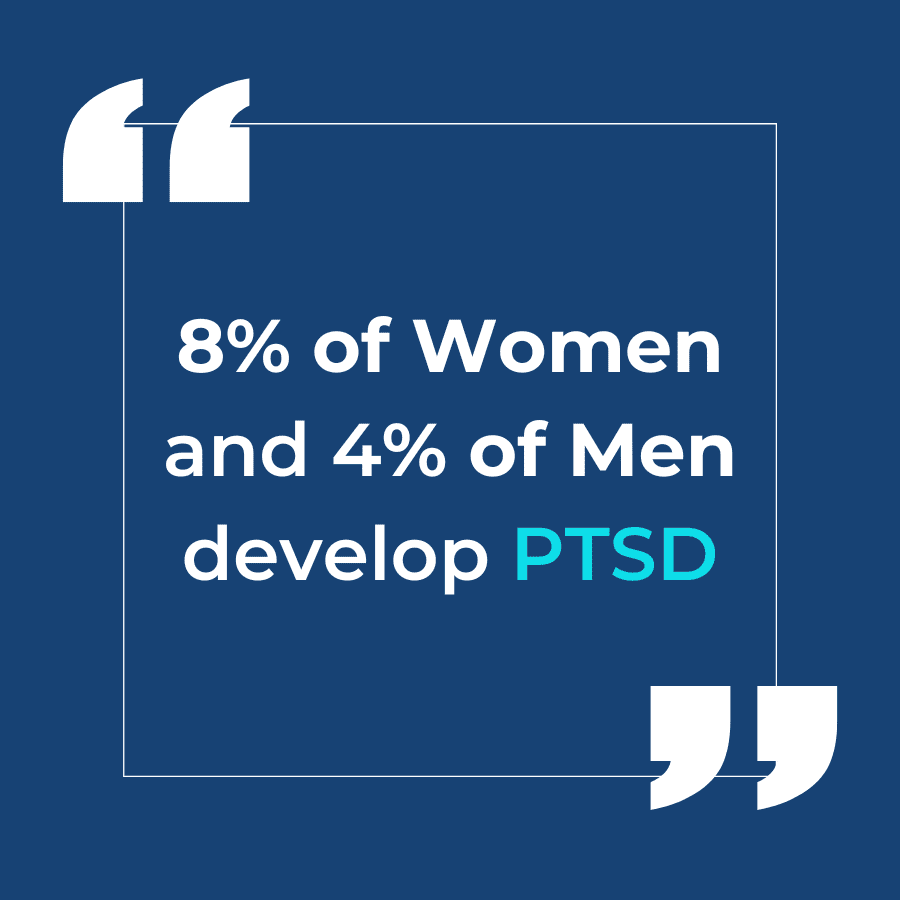
The NIH reports that an estimated 4% of adolescents ages 18 to 29 had PTSD in a study done from 2001 to 2003.
Regarding children and teens, about 3% to 15% of girls who experience trauma will develop PTSD, along with about 1% to 6% of boys.
According to the National Center for PTSD, about 6% of the population will have PTSD at some point in their lives.

Part of the brain, including the amygdala, hippocampus, and prefrontal cortex, can all be associated with changes caused by trauma.
PTSD can be characterized by nightmares, flashbacks, sleep changes, and memory changes.
According to Dialogues in Clinical Neuroscience, it is hypothesized that symptoms of PTSD may represent stress-induced changes in brain structure and function.
PTSD can also cause changes in neurochemical response systems, which can include Cortisol and norepinephrine.
Teens can experience symptoms similar to young adults, but symptoms may also include disruptive or destructive behaviors. Some teens may feel guilty for not preventing certain injuries or deaths that were out of their control or may even want to seek revenge.
Internal triggers are things that you feel inside. They can involve feelings, thoughts, memories, or sensations.
Some examples of internal triggers can include:

External triggers happen outside the body and could be a situation, person, or place.
Examples of external triggers can include:
PTSD can affect a young adult’s whole life, including their physical and mental health.
It can contribute to other mental health issues such as depression, anxiety, or emotional numbness.
Young adults with PTSD may also use substances as an unhealthy coping mechanism. Misusing substances as a way to self-medicate can lead to more negative problems for one’s health and worsen the symptoms of PTSD.
PTSD can also make it hard for young adults to maintain relationships with friends or family, leading to problems at work or school.
It can be hard for someone with PTSD to talk about their experiences or feelings, which may lead them to isolate themselves, even from the people close to them.

PTSD impacts parts of the brain, specifically the amygdala, hippocampus, and prefrontal cortex.
These parts of the brain are responsible for fear response, memory, decision-making, and clear thinking.
Typically, when you experience stressful situations, your body goes into “fight or flight” mode, also known as the brain’s stress response.
However, for those with PTSD, the brain doesn’t know how to shut off this response. The hippocampus wrongly assumes that you are still experiencing this traumatic event when something triggers it.
However, the brain is very flexible and adaptable.
Treatments like talk therapy can help the prefrontal cortex and amygdala become balanced again.
Sometimes, individuals with PTSD may feel like a burden to others, and it can be hard to open up about what they are going through.
There are different ways you can help someone with PTSD, but there are some things to keep in mind and try to avoid.
If someone with PTSD opens up to you, you want to ensure that you are not judgmental, invalidating, or denying their experiences and feelings.
Don’t tell people, “It could’ve been worse,” or give them advice they didn’t ask for.
Additionally, don’t guilt or blame all your problems or family problems on a person with PTSD; it is not their fault.


You may be unsure whether you or a loved one needs treatment for PTSD.
When PTSD is causing a negative impact on one’s everyday responsibilities, relationships, and life, it is important to reach out for help.
Additionally, if you or someone you love frequently experiences difficult thoughts or may pose a risk to themselves or others, seek help immediately.
If you are unsure, the best thing to do is reach out to a health care provider to receive a proper diagnosis.
Talk therapy for PTSD and trauma treatment typically lasts around 6 to 12 weeks but can go longer depending on the individual’s needs.
Individuals’ experiences are different, so the approach to therapy is unique to each person, which is why treatment length may vary.
For some people, PTSD doesn’t last forever.
Individuals may recover within 6 months, while for others, it may become a lifelong condition.
PTSD treatment can help young adults manage their symptoms and improve their quality of life.


Seeking help for PTSD helps people manage their symptoms and live the life they want. Sandstone Care is here to support teens and young adults with substance use and mental health disorders.
You don’t have to be under the shadow of trauma anymore.

11820 Parklawn Dr. #403, Rockville, Maryland, 20852
(301) 321-7362
38619 Boulder Canyon Dr., Boulder, Colorado, 80302
(720) 907-0742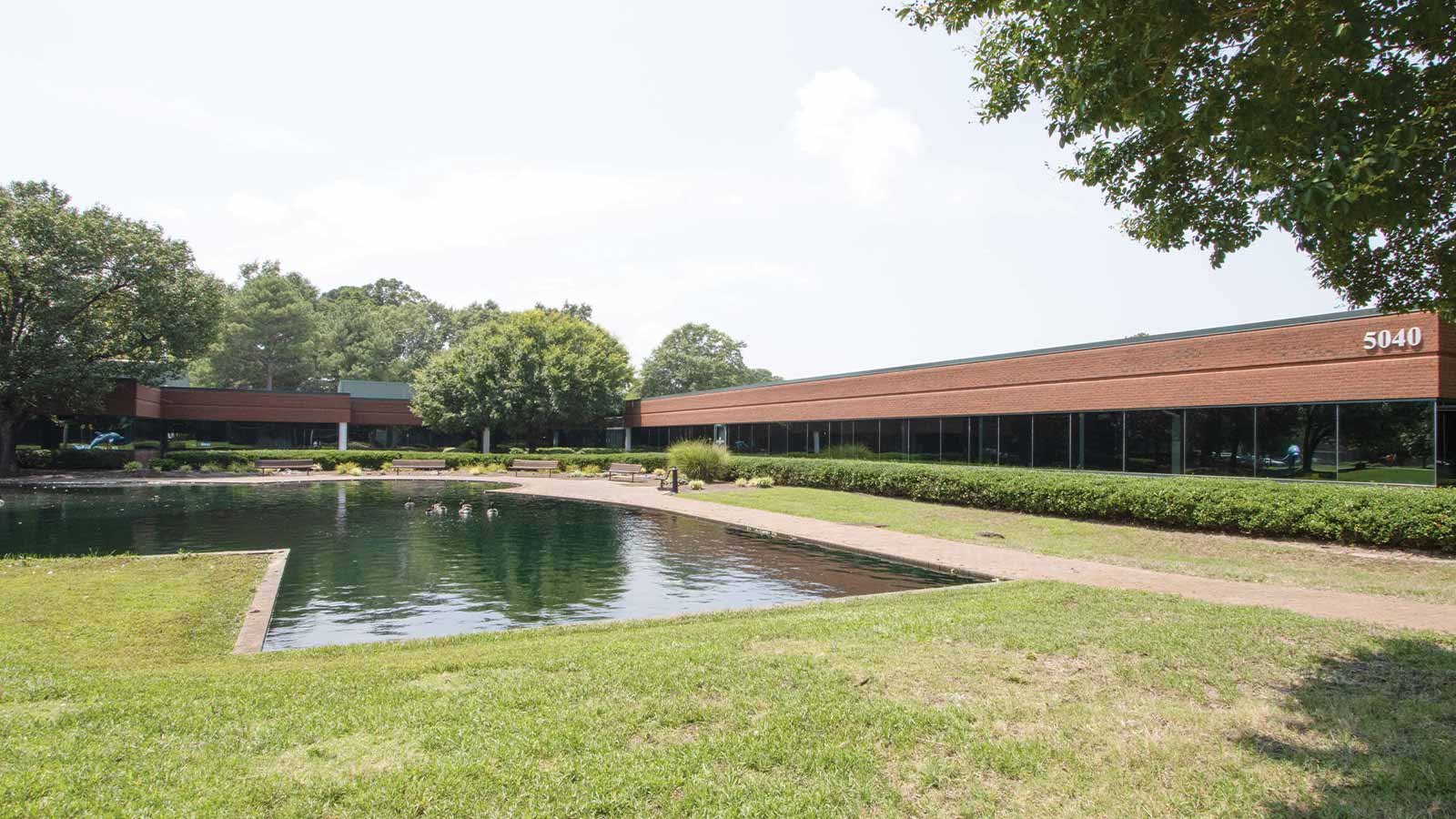
5040 Corporate Woods Dr., Virginia Beach, Virginia, 23462
(757) 585-3518
The Continuum of Care
Access a full range of treatments for mental health and substance use disorders. Whether you need a safe detox program, inpatient care, or outpatient therapy, we have a program to help.

5-21 days of 24/7 on-site medical supervision.
Our Medically-Assisted Detox and Inpatient Center offers private rooms and 24/7 medically supervised care to support a safe recovery from drugs and alcohol, followed by comprehensive treatment that addresses your physical, psychological, emotional, and spiritual needs.
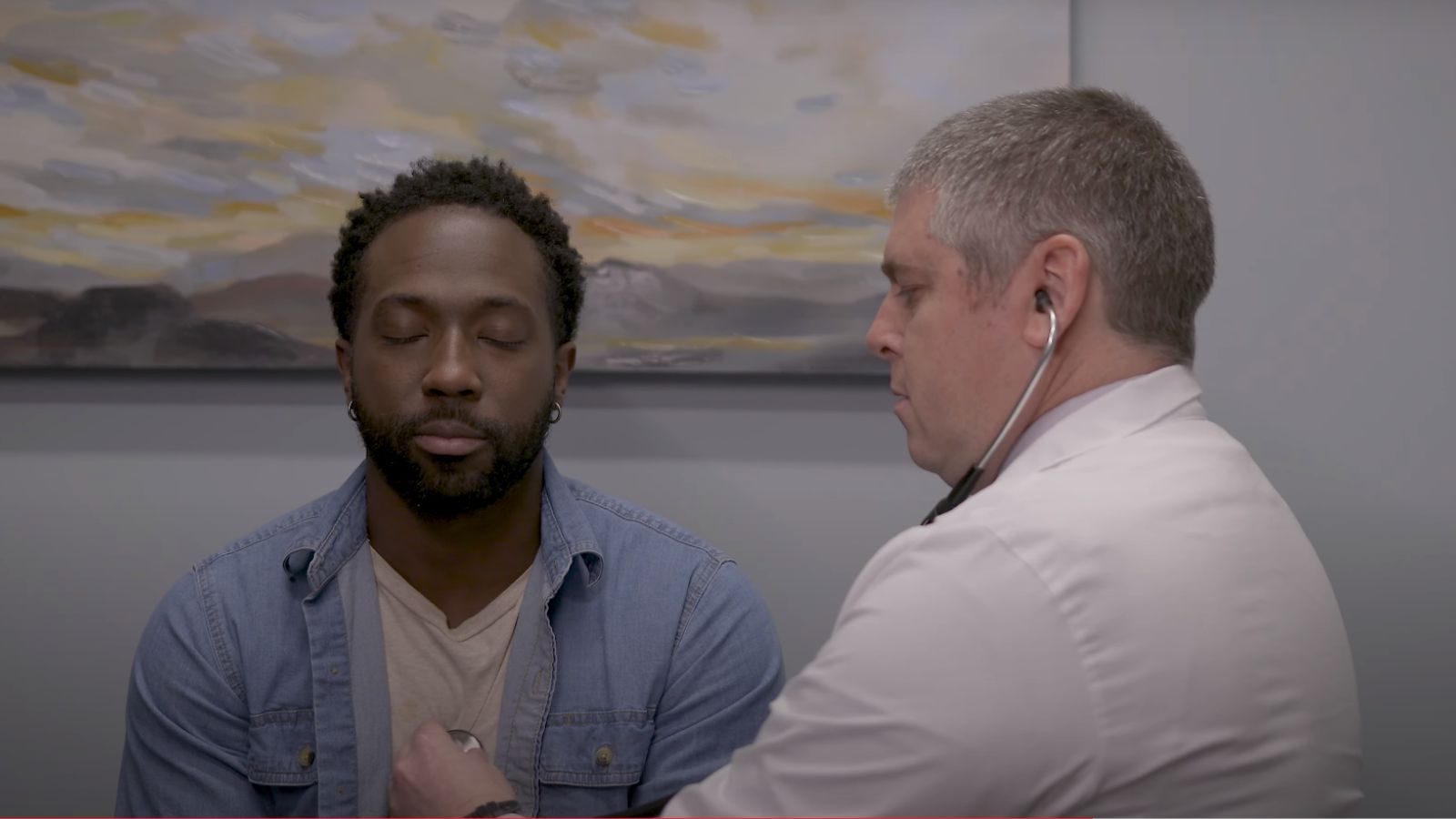

4 weeks of on-site day treatment.
Our Young Adult Day Treatment Program, also known as Partial Hospitalization Program (PHP), is a highly structured level of care for young adults that offers five days of robust programming a week.
Our two distinct mental health and substance use tracks help young adults to stabilize, begin to understand their mental health and/or addiction struggles, and heal from them. We strive to help our clients become more like the person they want to be without using negative coping strategies or substances to get there.

12 weeks of on-site or virtual treatment.
Our Young Adult IOP, or Intensive Outpatient Program, offers two distinct tracks to address young adult needs, each track consisting of 3-4 days of weekly programming.
In our mood disorder track, we are able to focus on mental health, depression, trauma, and anxiety. In our dual diagnosis track, we are able to support young adults with substance use and mental health challenges. Each focuses on developing positive social, academic, and vocational habits while continuing with their job or school responsibilities.