Skip to Main Content

Teen Drug Rehab in Maryland

Level of Care: Residential

Program length: 30-90 days

Ages: Teens (13-18)

Location: Crownsville, Maryland


Payment Plans Available
Teens in group therapy

Teen Residential Treatment Center in Crownsville, Maryland

You can love your teen completely, and still feel outmatched by addiction and mental health symptoms. If your days have started to revolve around managing crisis after crisis, you deserve a clear plan that matches what your teen is actually dealing with.

That’s why we offer 24/7 teen residential care in Crownsville, Maryland, a safe, structured program for ages 13–18 with evidence-based therapy built to match their individual needs.

It can feel intimidating to imagine your teen living away from home. But that change in environment is often exactly what a struggling teen needs to find a healthier way to move forward. Residential care gives them space to focus on healing away from daily pressures, while we keep you informed and involved every step of the way.

Inside the Maryland Teen Drug Rehab Center

Located about 20 minutes west of Annapolis, the Chesapeake Teen Residential Treatment Center includes four private homes in the green hills of Maryland. For many teens, daily life at home and school can feel loud and reactive. Teens can’t heal the way they need to think if they can’t hear themselves think, which is why our addiction treatment center offers quiet space to slow down, stabilize, and fully engage in treatment.

In addition to expert treatment programs, your teen will have comfortable sleeping arrangements, recreational spaces, and healthy meals so that they can focus on getting better. We proudly serve families across Maryland, including Annapolis, Baltimore, Columbia, and Glen Burnie, and welcome out-of-state families seeking mental health and substance use treatment.
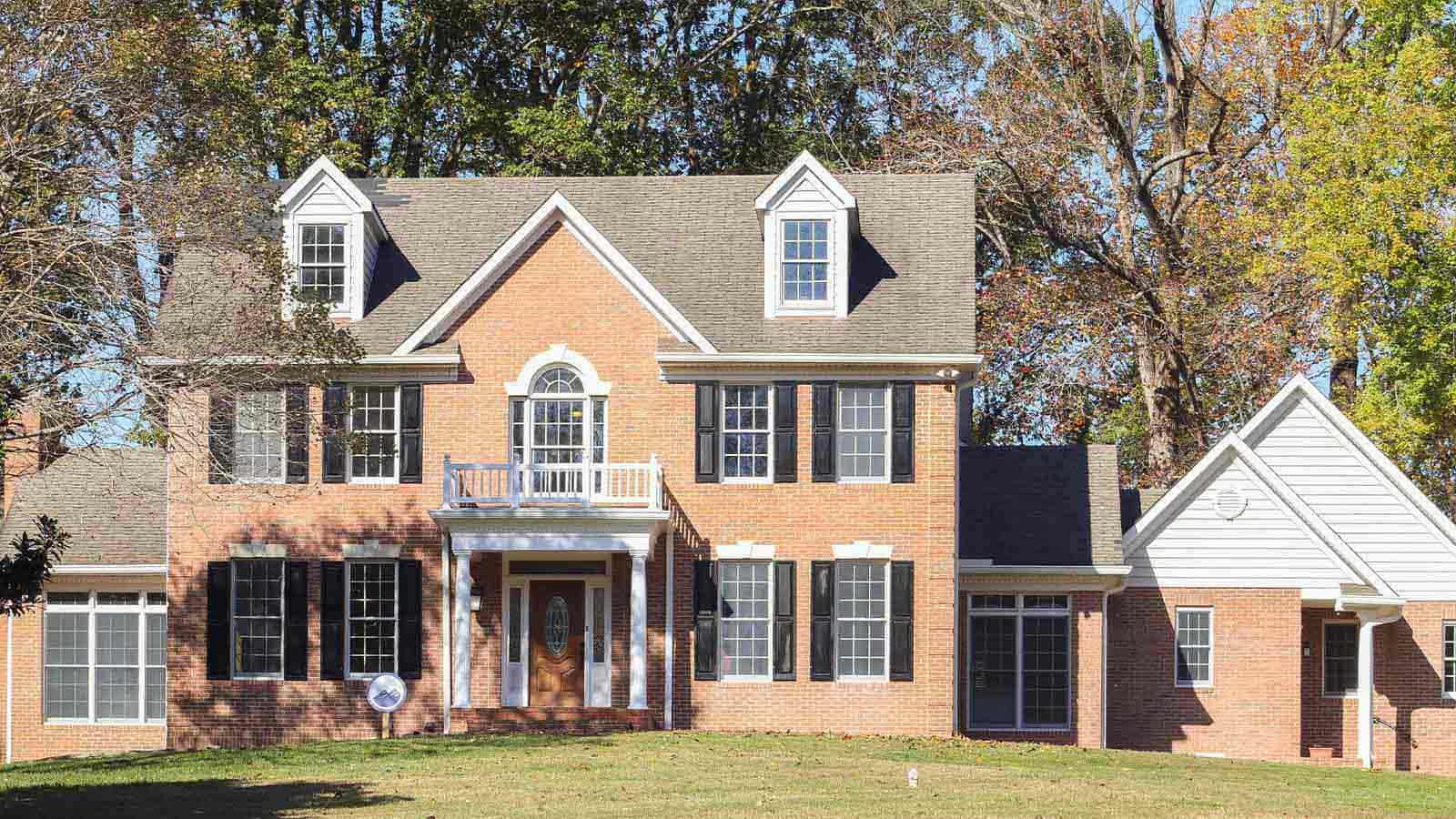
A large brick house surrounded by treesOur beautiful teen residential treatment center is designed to be a home-away-from-home
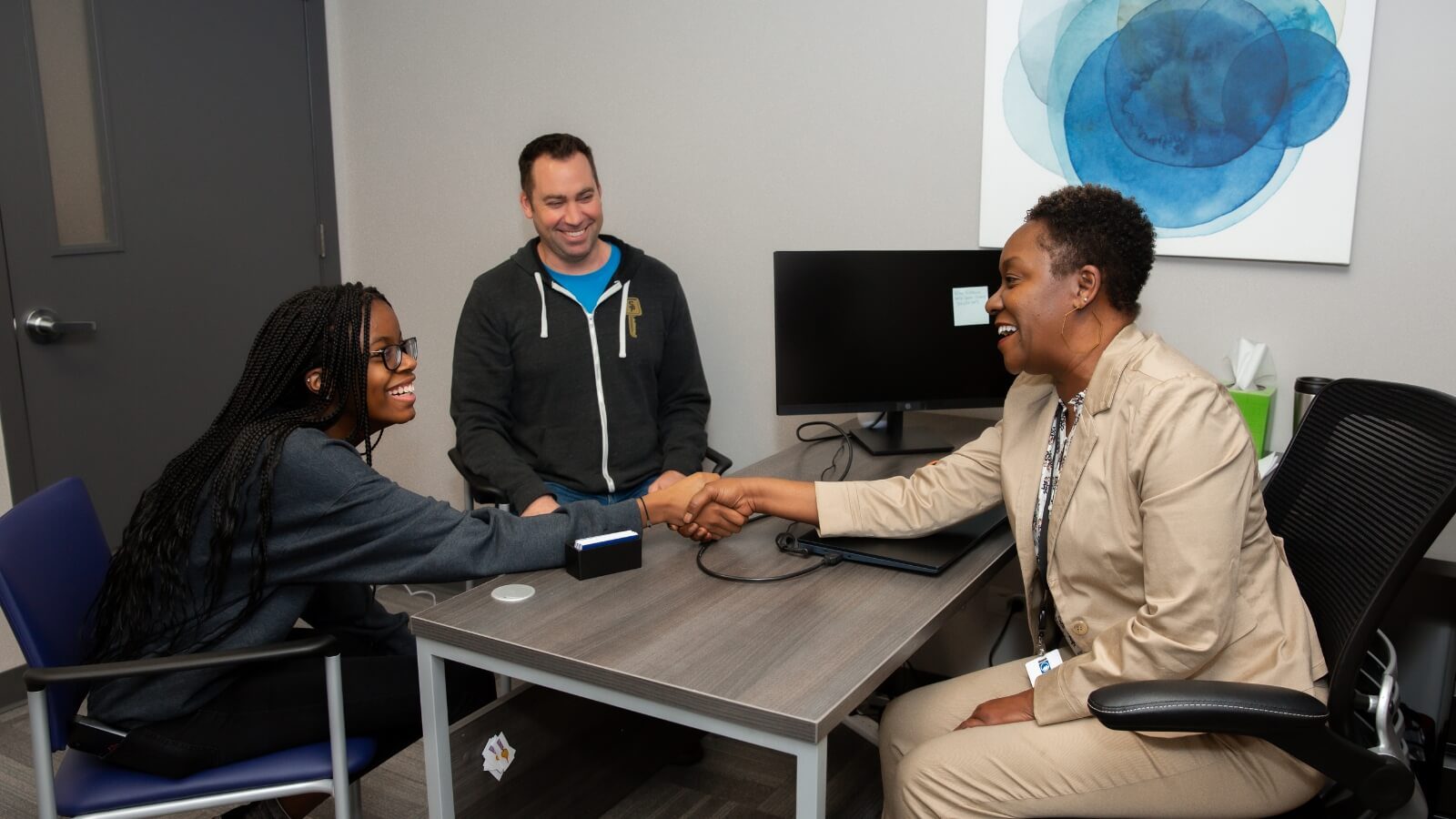
Intake coordinator shakes hands with new resident while parent smiles beside themFrom intake to discharge, parents are always included in the process
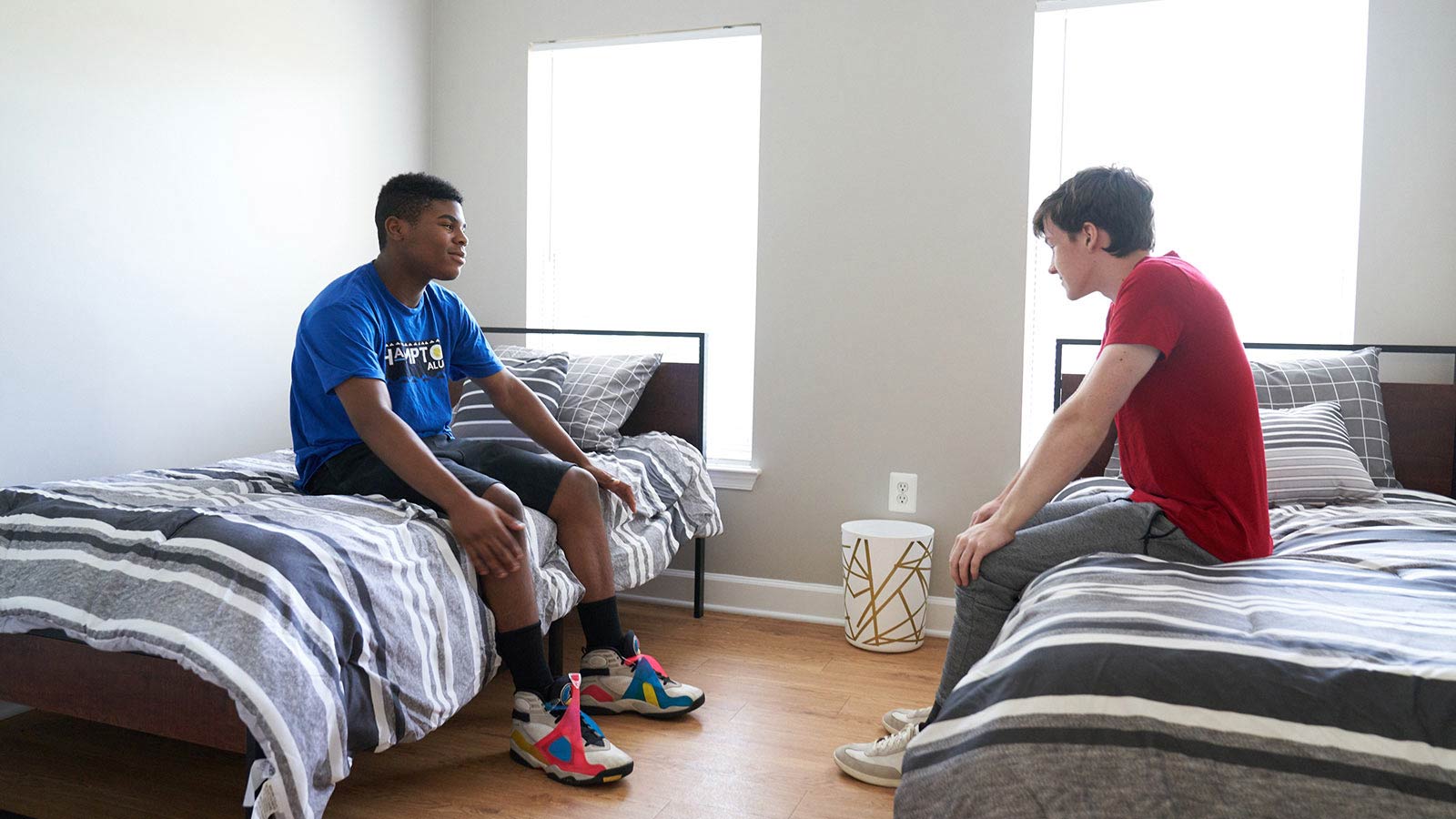
Two teenage boys sit across from each other on their respective beds.Dorms at our Teen Drug Rehab in Maryland are comfortable and spacious
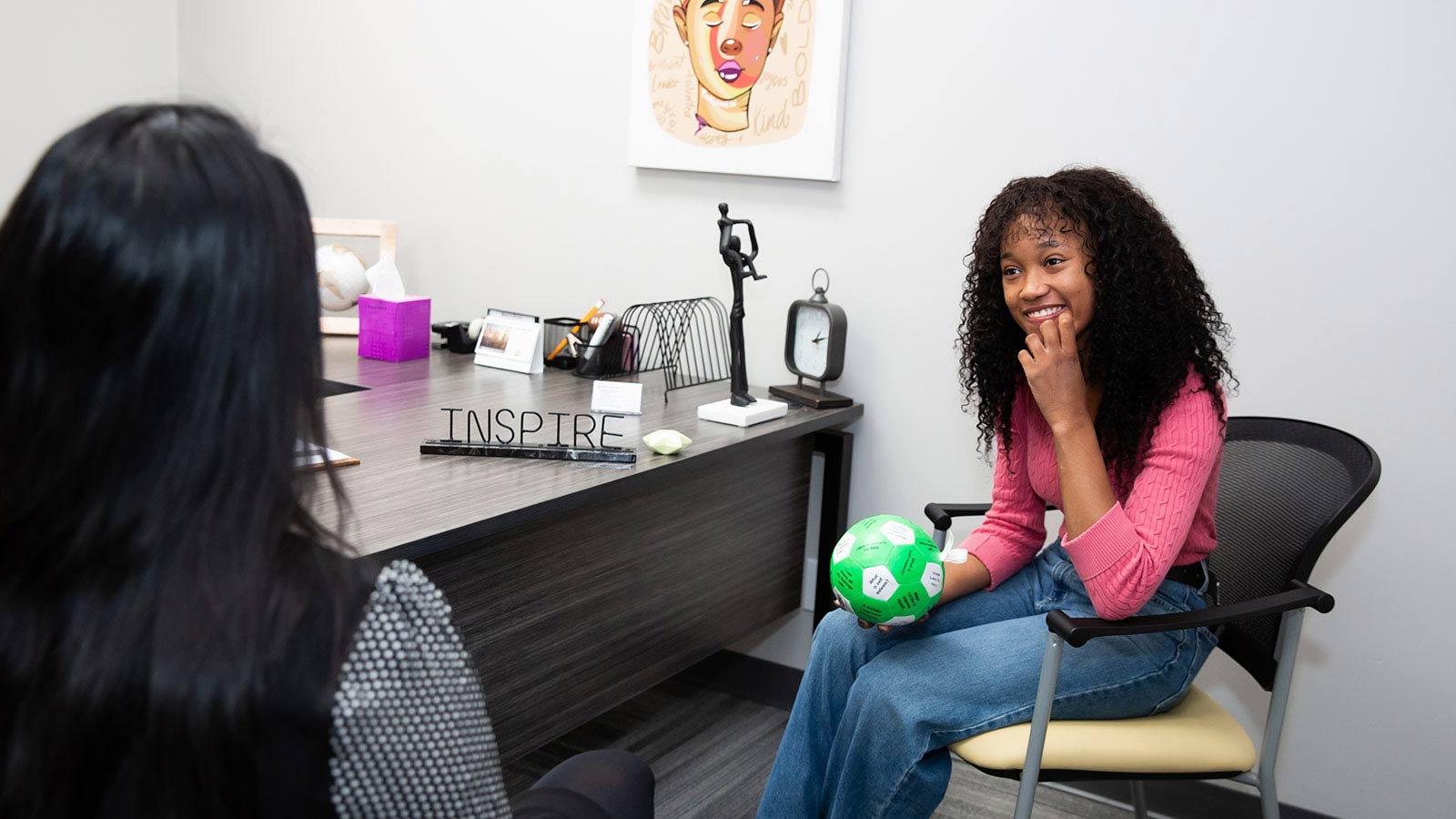
there is a woman sitting in a chair with a green ballLicensed clinicians lead individual therapy sessions that include CBT, DBT, and more
A young teenage girl works at a laptop while a teacher walks through the classroomOur academic programming ensures teens stay up to date on coursework
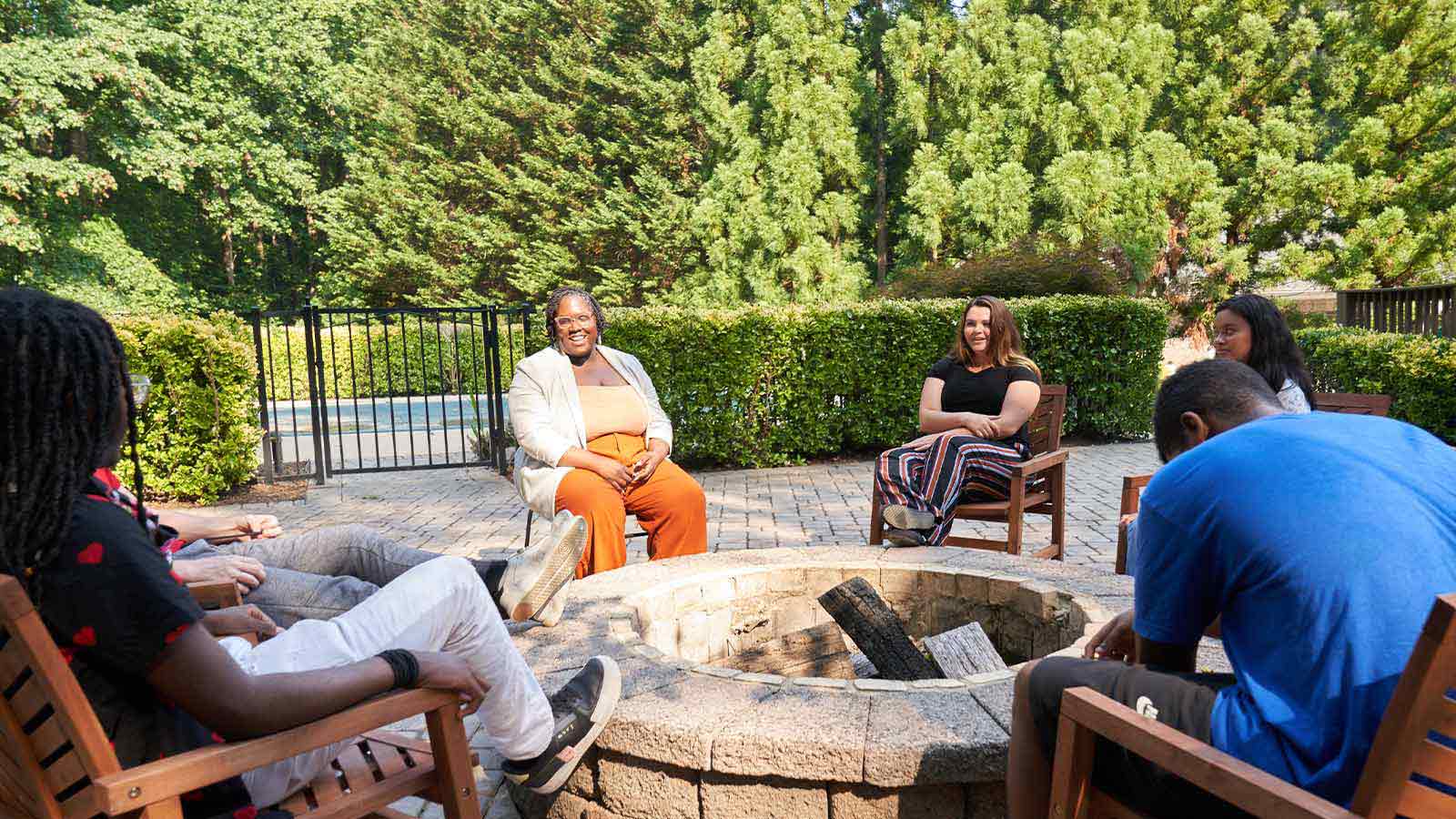
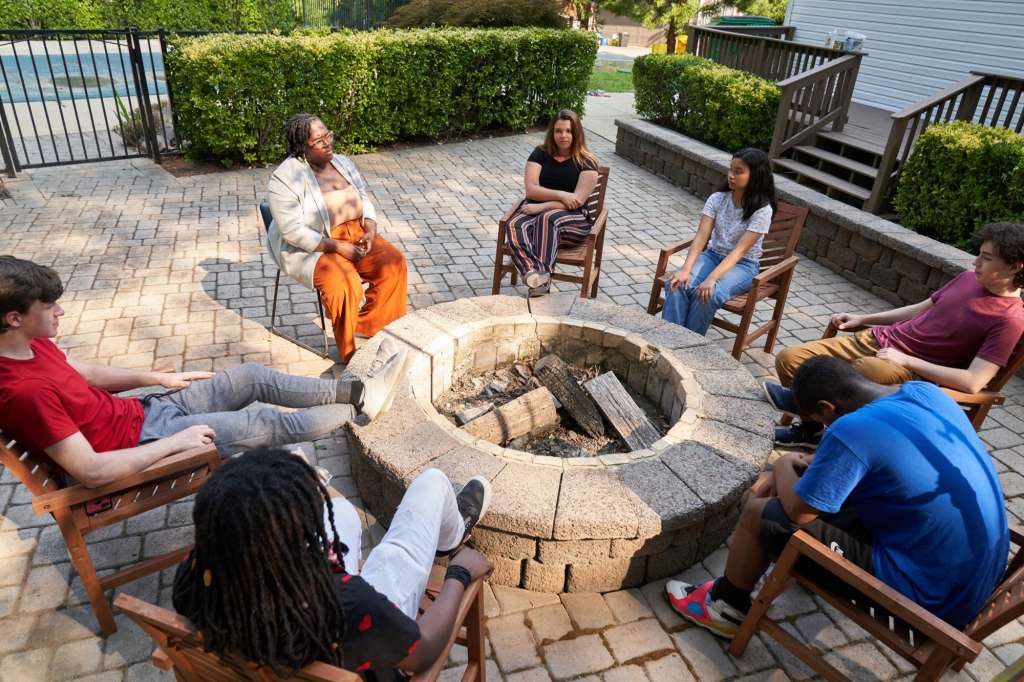
Teens sit around a fire pit with a therapist in group therapyGroup therapy is led by licensed clinicians and helps residents remember they’re not alone
Young teens running happily on a beach in MarylandProviding high-quality outings for teens on weekends is a key part of our programming
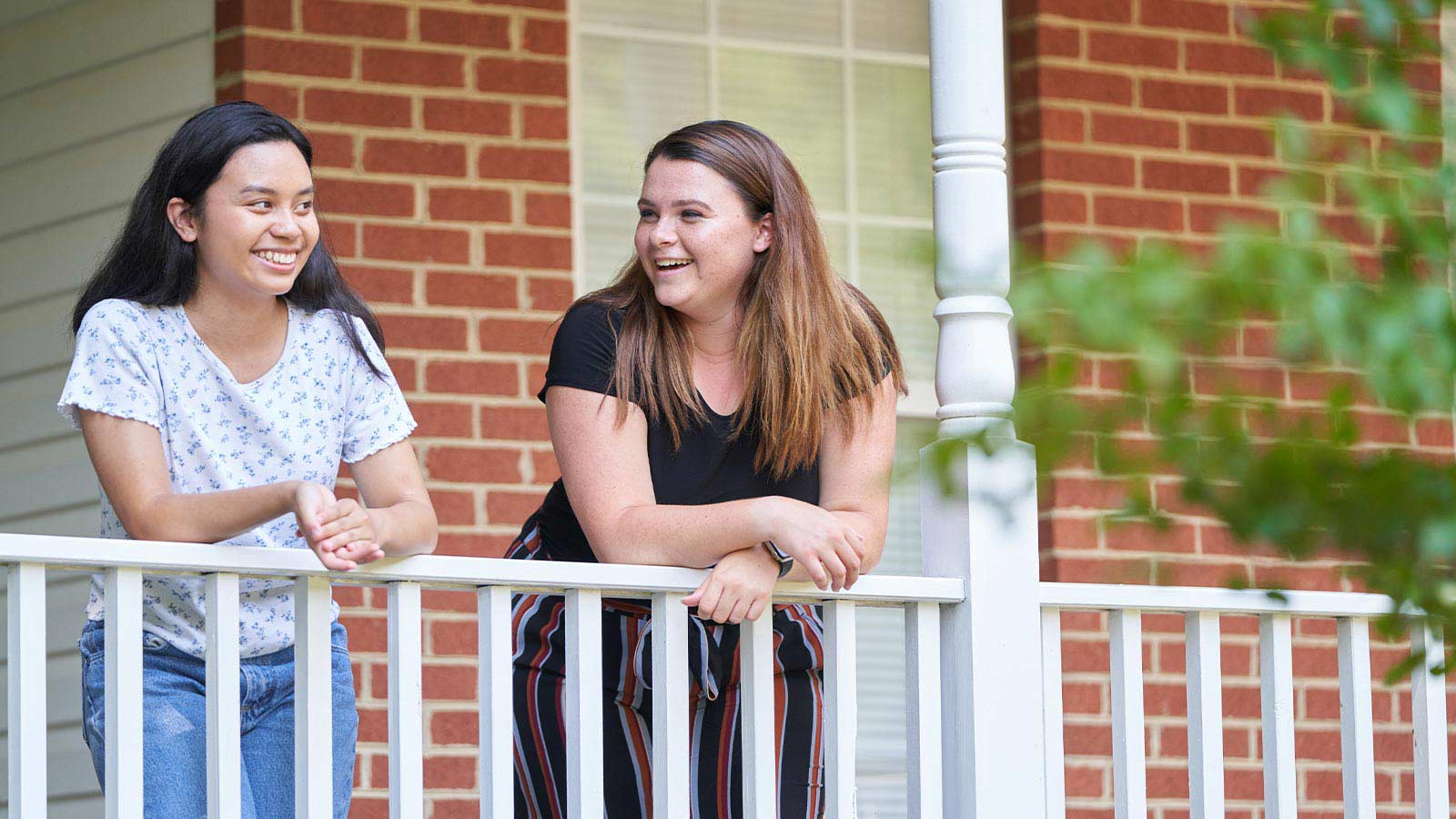
Two teenage girls stand on the balcony of Sandstone Care's Teen RTC building, talking and smilingThe RTC experience allows teens to create healthy friendships that can last a lifetime
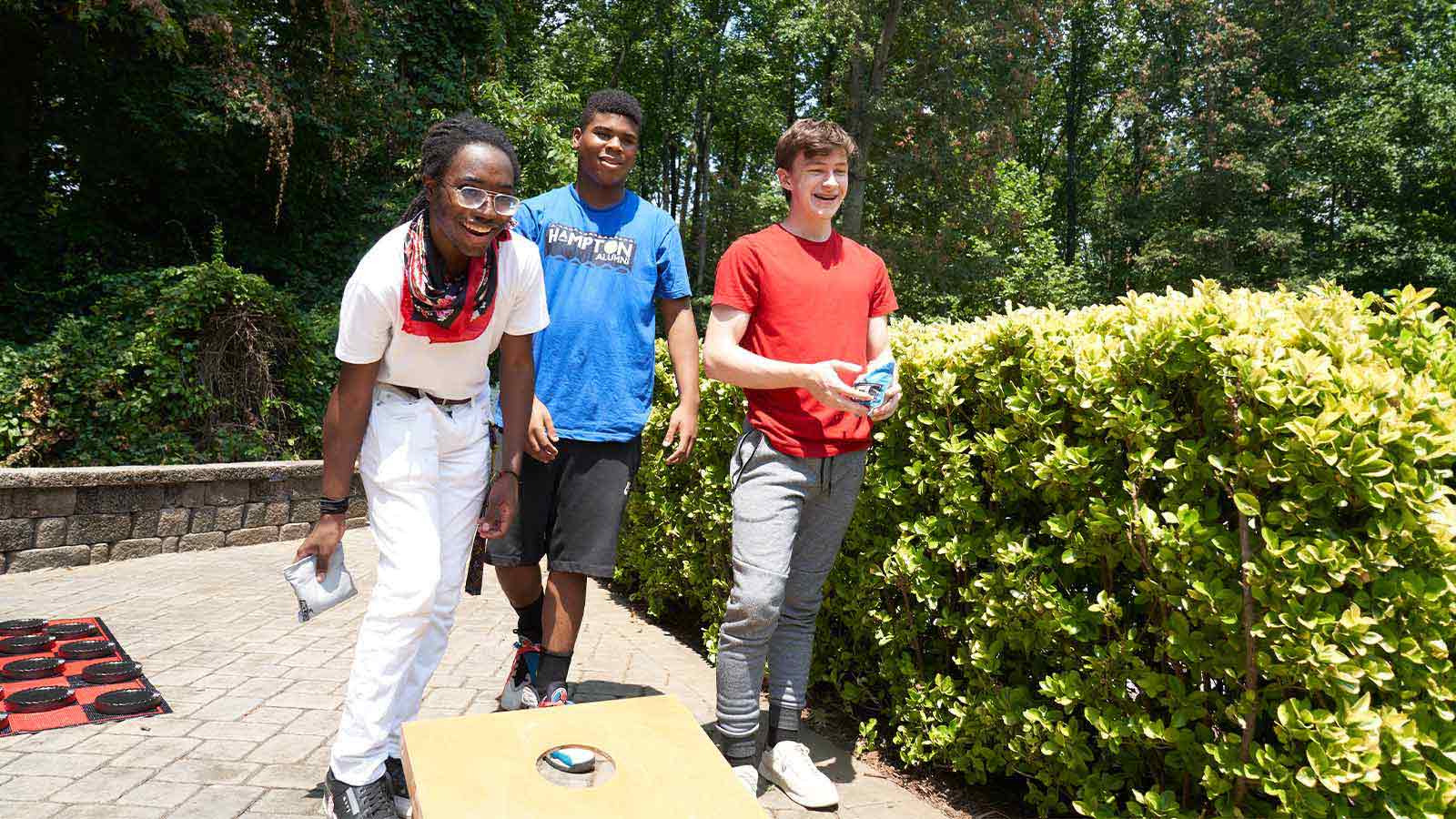
Three young boys play Cornhole outside in a courtyard.And of course we provide plenty of recreational activities for downtime

Finding Stability Through Individualized treatment

Our Approach to Care

When teens are in crisis, their brain stays in survival mode, and they can’t begin healing.

That’s why we start by focusing on helping your teen find stability. When the environment is predictable and structured, teens can regulate, think more clearly, and actually use the tools they’re learning.

Your teen’s care at our residential center stays centered on their needs throughout the entire treatment process. We don’t set a plan at the front door and just hope it works. Through regular clinical check-ins, your teen’s care plan will adjust in real time as they open up and begin responding to treatment.

Everything we do is evidence-based and outcomes-driven. We use therapies with strong research behind them, like dual diagnosis treatment, CBT, DBT, and dual diagnosis treatment. We pay close attention to what’s helping so your teen’s care can be as effective as possible.

Learn more about what you can expect week by week here.

Chesapeake teen rehab center outdoor sitting area with teens and a counselor talking
What is teen rehab?
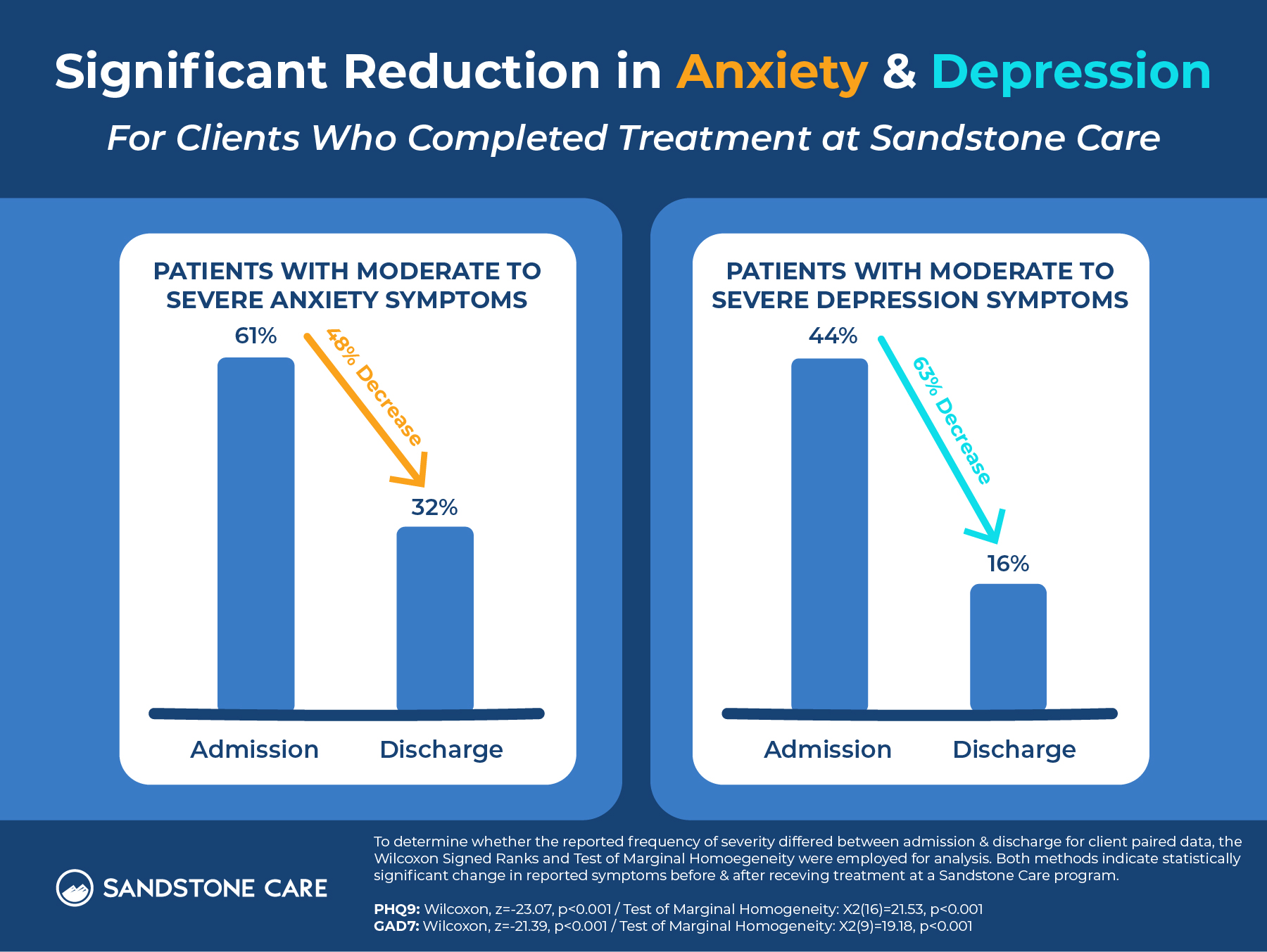
Treatment outcomes anxiety and depression

Your Teen Deserves Treatment That Works

You may have felt helpless watching your teen lose the ability to enjoy things like they used to. Something needs to change, but it can seem like everything you try to do to reach them only makes things worse.

In a recent study, our clients who completed treatment reported a 48% decrease in anxiety symptoms and a 63% decrease in symptoms of depression.

At Sandstone Care, we understand that sending your child to a recovery center is not something done on a whim. Which is why we track our outcomes closely, so you can feel confident that treatment is not just a shot in the dark, it’s an evidence-based, proven step towards mental health and addiction recovery.

Read Full Treatment Outcomes

Icon Quotemark

Would highly recommend for anyone with a teen struggling with substance abuse and mental health.

We have felt included and supported and are so grateful for the care they’ve provided to our son at such a vulnerable and scary time.
Cindy G.
Parent

Meet Your Treatment Team

Diamond Clark
Diamond Clark, Ed.D, LCMFT
Clinical Program Director
Kaelen Keller
Kaelan Keller, LCPC
Lead Residential Therapist
Jovon Drone
Jovon Drone, LCPC
Residential Therapist
Abigail Singh
Abby Singh, LMSW
Family Therapist
there are two people sitting at a table talking to each other

In Network with Most Major Insurance

When you’re trying to make the right decision for your teen, financial uncertainty can make everything feel even harder. Our admissions team can verify your insurance, explain what’s covered, and walk you through next steps.

If coverage is limited or you’re not insured, we can work with you on a payment plan.

Sandstone Care is in network with most insurance, though please note that we do not accept Medicare or Medicaid.

If we can’t accept your coverage, we’ll still make sure you get connected to the right resources to help your teen get the compassionate care they need.

See If Your Child’s Care Is Covered

Parent’s Corner

Answering Your Most Urgent Questions

We know watching your child deal with addiction or mental health issues can be frightening. This may even be your first time learning about addiction. We’re here to answer all your questions. If you don’t see your question listed, please don’t hesitate to give us a call.

If your teen is in crisis, residential treatment may often the best option because it gives them what weekly therapy can’t: a calm, protected environment where they can finally step away from their daily pressures and focus on getting well.

Life as a teen can feel loud, there’s school stress, social dynamics, constant social media, nonstop expectations, or easy access to unhealthy influences.

Your teen may genuinely not have the breathing room to use the tools they’re learning in standard therapy and treatment services, even if they want to.

Residential healthcare creates a space where they can slow down, and start untangling the thoughts and patterns that keep pulling them under. With expert, 24/7 support and a structured routine, it’s the most effective way to interrupt the cycle, stabilize quickly, and help a teen return home safer and stronger moving forward.

The teens in Sandstone Care’s residential program are bright people who have been impacted by mental health struggles and drug addiction. Typically, they are struggling with or have struggled with anxiety, depression, trauma, or substance use disorders.

There are certain acute behavioral health issues that Sandstone Care does not treat: a history of violence, actively suicidal or psychotic behavior, severe and persistent mental illnesses such as schizophrenia, or any behavioral issues that would make it difficult for people to get the most out of their treatment plans. Each teen is carefully screened by our clinical team to make sure that our programs are the best fit for the kind of support that they need.

The most successful treatment for addiction typically combines evidence-based therapies, medical support, mental health treatment, and personalized care. This is especially effective when combined with a new environment where teens can focus on healing away from the stressors that may be pressuring them to turn to unhealthy behaviors in the first place, like a residential treatment center.

Approaches like Cognitive Behavioral Therapy (CBT), Medication-Assisted Treatment (MAT), and ongoing support through group or family therapy have been scientifically proven to help reduce symptoms and teach healthier behaviors.

Every relationship with addiction has different causes, triggers, and factors, so the best treatment will always be the one that is individualized for your teen. This should go beyond focusing only on addiction or substance use disorder (SUD), and instead address underlying mental health conditions or co-occurring disorders that are contributing to the crisis your teen is facing.

The most successful rehab programs also focus on relapse prevention after the teen leaves the treatment facility. This can include intensive outpatient treatment options (IOP), partial hospitalization programs (PHP), and a strong alumni community where teens can support each other on their recovery journey. address underlying mental health conditions, co-occurring disorders and provide long-term aftercare planning to support lasting recovery.


The most successful treatment for addiction typically combines evidence-based therapies, medical support, mental health treatment, and personalized care. This is especially effective when combined with a new environment where teens can focus on healing away from the stressors that may be pressuring them to turn to unhealthy behaviors in the first place, like a residential treatment center.

Approaches like Cognitive Behavioral Therapy (CBT), Medication-Assisted Treatment (MAT), and ongoing support through group or family therapy have been scientifically proven to help reduce symptoms and teach healthier behaviors.

Every relationship with addiction has different causes, triggers, and factors, so the best treatment will always be the one that is individualized for your teen. This should go beyond focusing only on addiction or substance use disorder (SUD), and instead address underlying mental health conditions or co-occurring disorders that are contributing to the crisis your teen is facing.

The most successful rehab programs also focus on relapse prevention after the teen leaves the treatment facility. This can include intensive outpatient treatment options (IOP), partial hospitalization programs (PHP), and a strong alumni community where teens can support each other on their recovery journey. address underlying mental health conditions, co-occurring disorders and provide long-term aftercare planning to support lasting recovery.

Yes, all our teenage rehab centers accept insurance plans from most insurance providers. Please complete our quick and easy Insurance Verification to see if we accept your health insurance coverage. While we do not accept Medicare or Medicaid, we’re here to help you explore alternative payment options and referral resources. Our goal is to ensure you find the right care, even if it’s not through our program.

Coping with your loved one’s addiction is incredibly difficult, but there are steps you can take to support both them and yourself through this challenging time.

  1. Educate Yourself: Learn about addiction as a disease to better understand your loved one’s behavior and the challenges they’re facing.
  2. Seek Support: Join support groups or attend family therapy to get guidance and emotional support from others who understand what you’re going through.
  3. Set Boundaries: Establish healthy boundaries to avoid enabling behaviors while still offering love and support to your loved one.
  4. Encourage Treatment: Motivate and encourage them to seek professional help through inpatient medical detox, substance abuse treatment, outpatient services, or counseling, but avoid trying to force them into recovery.
  5. Take Care of Yourself: Prioritize your own physical and emotional wellness through self-care. Supporting a loved one in addiction can be draining, and you will be able to help them more effectively if your supporting your own well-being.
  6. Practice Patience: Understand that recovery is a long process, and it’s important to allow time for growth, setbacks, and healing for both your loved one and yourself as they navigate addiction treatment programs.

Sandstone Care Teen Center at Chesapeake

We help teens and their families overcome challenges with drugs, alcohol, mental health issues, trauma, and addiction in Crownsville, Maryland.

  • Address: 2020 Martins Grant Ct, Crownsville, MD 21032
  • Phone: (667) 458-6880
  • Hours: 24 Hours
  • Levels of Care: Teen Residential, Assessments
  • Get Directions


Maryland Teen Rehab Reviews

Background Image
Young black man standing in front of a blue background.

Let’s Take the Next Steps Together

We understand taking the first step is difficult. There is no shame or guilt in asking for help or more information. We are here to support you in any way we can.