Skip to Main Content

Types of Anxiety Disorders

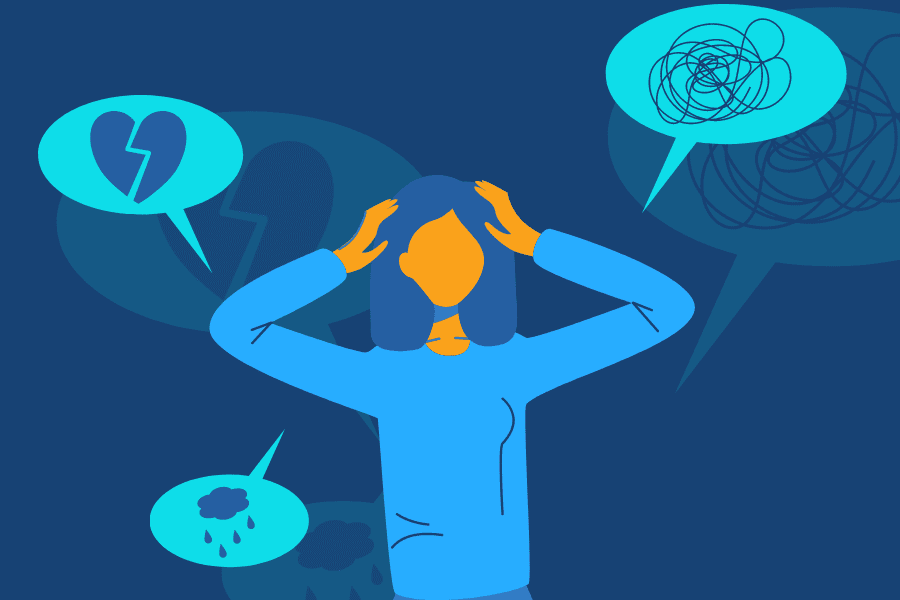
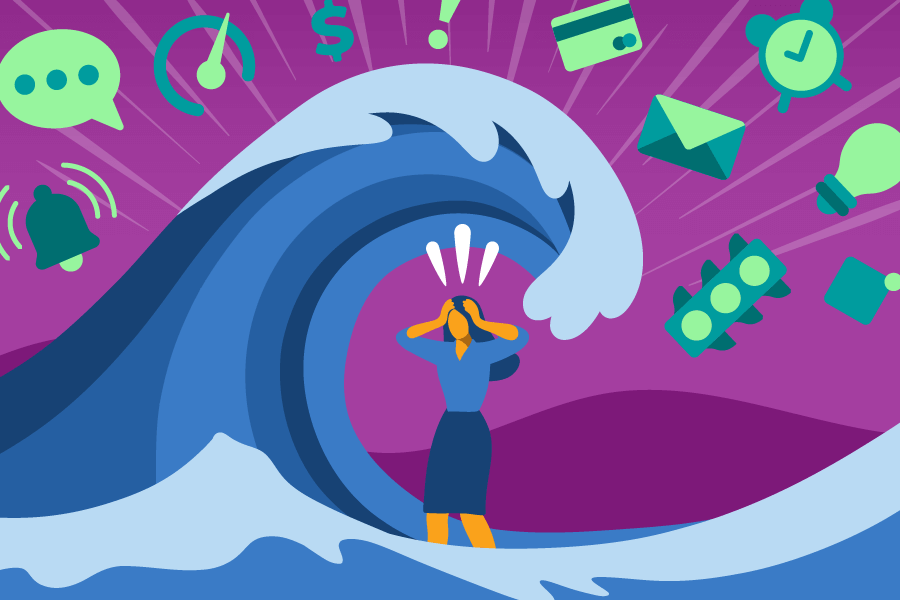
If your mind is always scanning for danger, replaying conversations, expecting the worst, bracing for something bad, there’s a reason it feels so exhausting. Anxiety is your brain’s built-in alarm system. When it’s working well, it helps you prepare and stay safe. When it’s overactive, that alarm can keep blaring even when there isn’t a real threat, and it can start to make it difficult to manage school, work, sleep, and relationships.

And you’re not alone in this. Over 30% of adults in the United States) will experience an anxiety disorder at some point in their lives. That’s one reason it can be so helpful to name what’s happening: anxiety isn’t a personal failure, it’s a common, treatable mental health condition.

In this guide, we’ll break down the most common types of anxiety, what they look like, how they can show up in teens and young adults, and what actually helps.
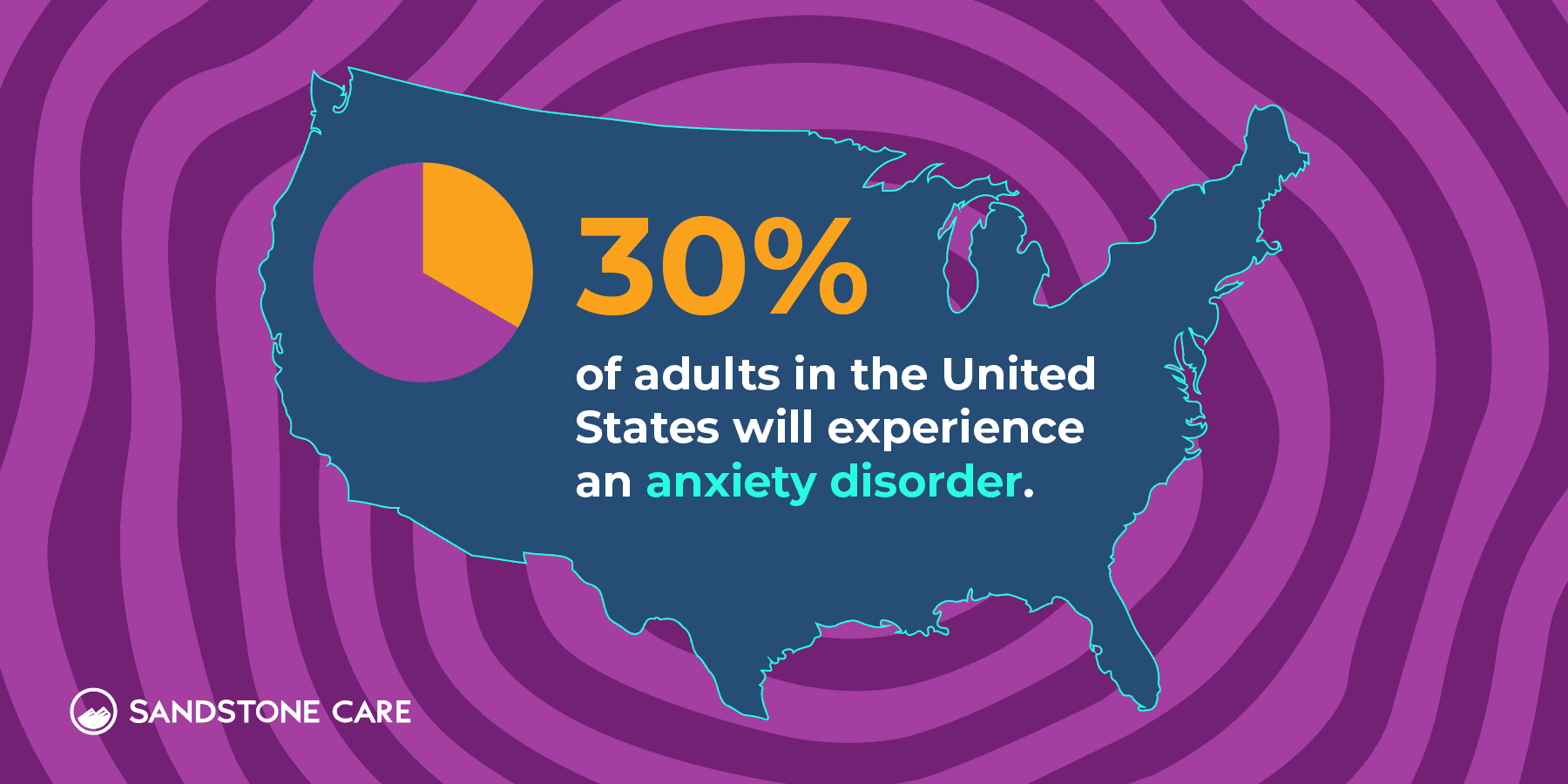
30% of adults in the United States will experience an anxiety disorder

What Are Anxiety Disorders?

When someone has an anxiety disorder, the anxiety is persistent, is more than just an occasional worry, and doesn’t go away. Without treatment, it may worsen over time. 

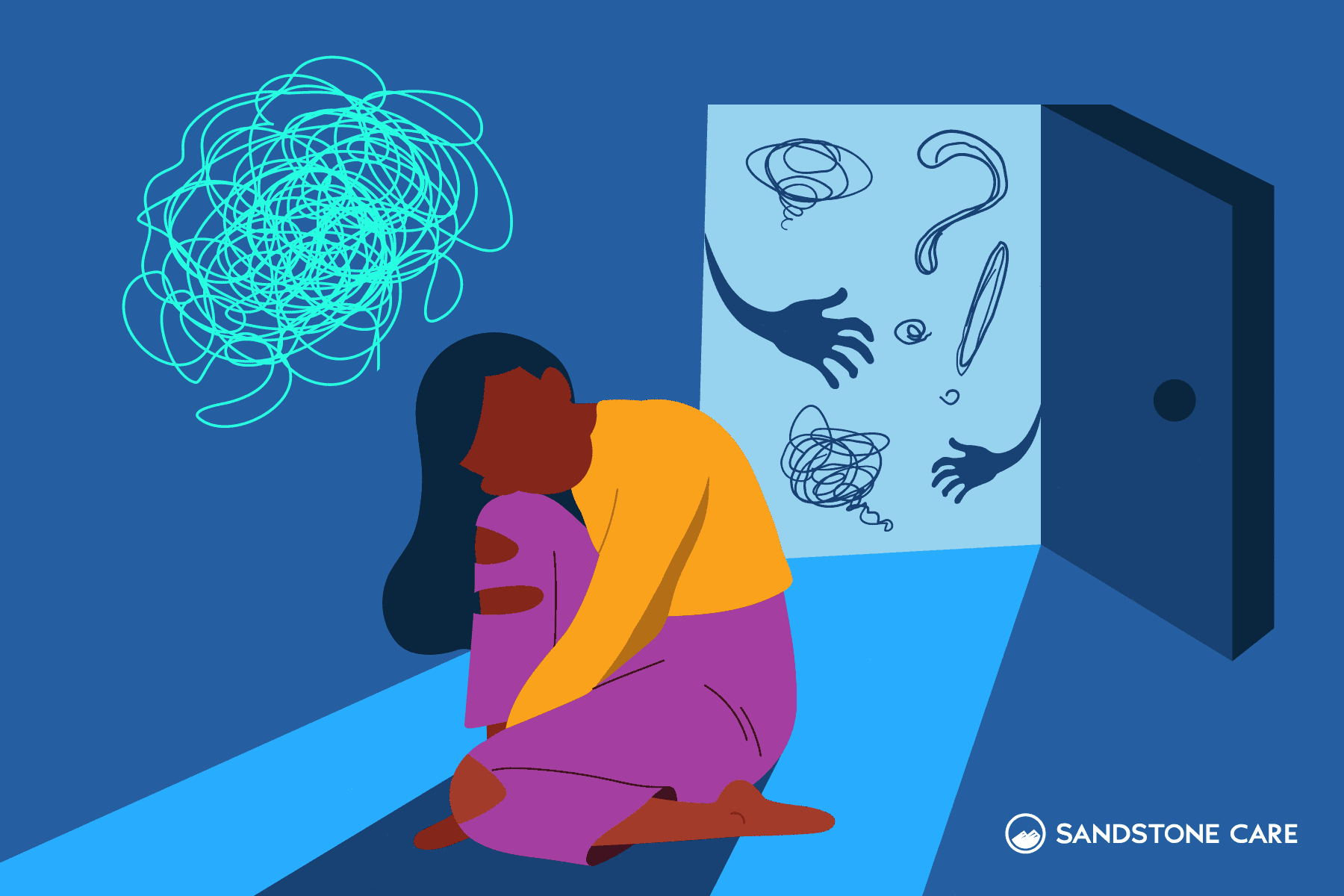
Anxiety disorders are more than “being a worrier.” They happen when your brain’s alarm system stays switched on, even when you are not in real danger, and the fear or worry starts running your day.

You might notice it in your thoughts, like constant what if questions, and in your body, like a tight chest, stomachaches, shakiness, trouble sleeping, or feeling on edge. Anxiety disorders are common and treatable, but there are several different types that can look similar on the surface. That is why it helps to talk with a professional who can name what is really going on and help you get the right kind of support.

Background Image
illustration of a woman covering her face with her hands

Take our quiz to see if you or a loved one has anxiety.

Developed by Chief Clinical Officer Sarah Fletcher, LPC

Generalized Anxiety Disorder

Generalized anxiety disorder (GAD) is when someone worries a lot about various aspects of their life (e.g., their health or school performance) and the worry is out of proportion to the situation. 

Symptoms of GAD often include:

  • Excessive worries about several parts of life (e.g., school, work, or health)
  • Difficulty concentrating
  • Shaking or trembling when feeling anxious 
  • Difficulty managing worries or feelings of nervousness
  • Feeling irritable or on edge
  • Difficulty relaxing
  • Sleep problems (e.g., trouble falling or staying asleep)
  • Physical symptoms, such as headaches, stomachaches, or muscle tension
  • Needing to use the bathroom more often
  • Feeling sweaty or lightheaded

If you notice that you are experiencing symptoms of anxiety, reach out to your healthcare provider. It is essential that a healthcare provider rules out other potential causes for physical symptoms of anxiety, such as stomach pain or lightheadedness.

Symptoms in kids and teens: While kids and teens may experience the same symptoms as adults, it is important to recognize that it often shows up as anger, irritability, and physical symptoms like stomach aches.

Talking with a qualified professional is important because anxiety symptoms can overlap with other anxiety disorders, depression, trauma responses, ADHD, and medical conditions that also cause physical symptoms. A professional can sort out what is actually happening, rule out health issues that need medical care, and help you choose evidence based treatment that fits your needs, such as cognitive behavioral therapy and, for some people, medications like SSRIs or SNRIs.

Getting the right diagnosis and support early can reduce how much anxiety disrupts daily life and lowers the risk of symptoms getting worse over time. A combination of psychotherapy, regular physical activity, and medication is often used to treat GAD. Support groups and lifestyle changes can also help in reducing anxiety.

Social Anxiety Disorder

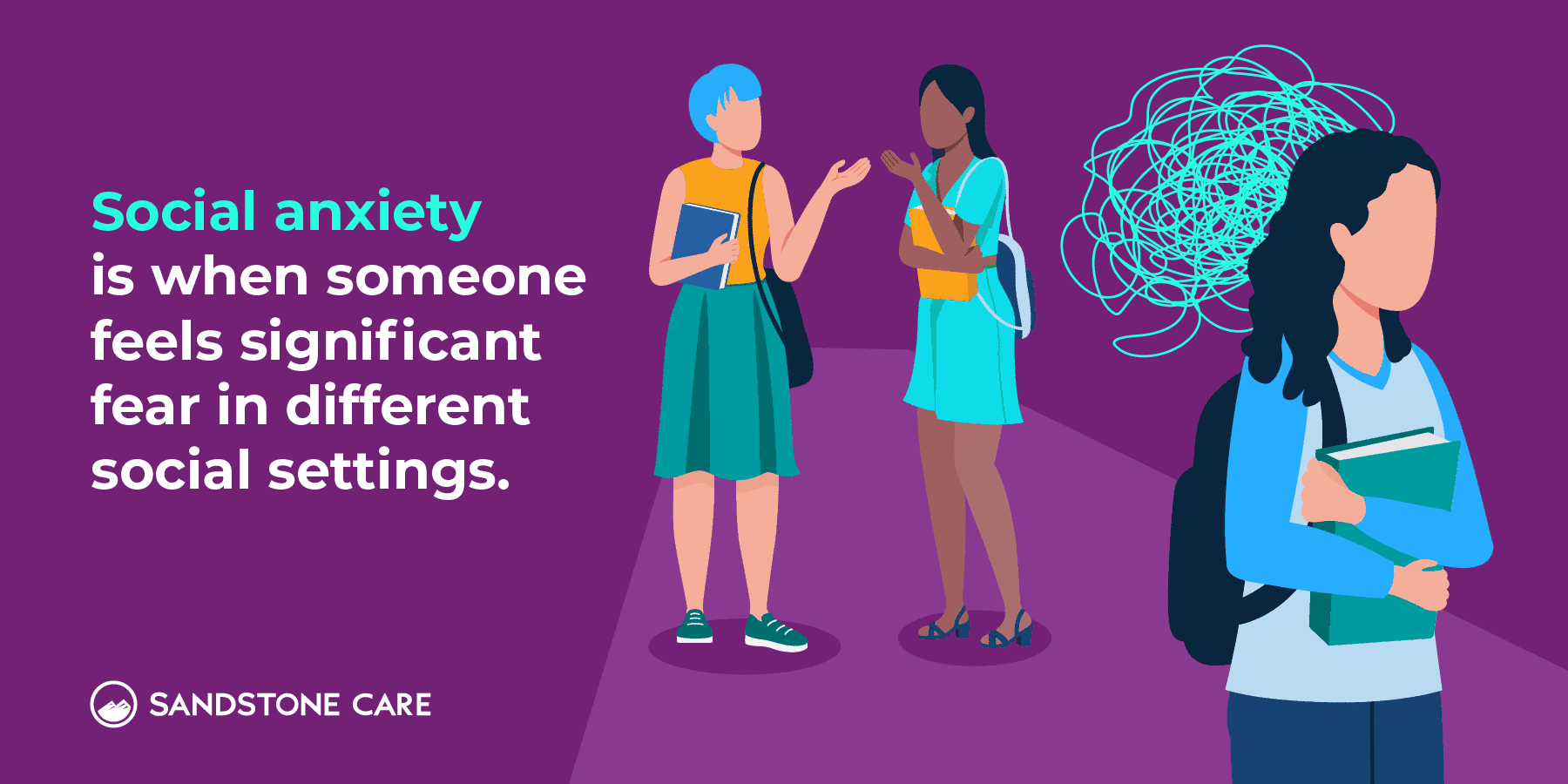
Social anxiety is when someone feels significant fear in different social settings, such as public speaking, a job interview, or being in a crowded place.

Social anxiety is more than feeling shy or uncomfortable around crowds and can significantly impact activities of daily living.

For example, in someone with a social anxiety disorder, using a public restroom or talking to a cashier at a store can cause anxiety and other symptoms.
Symptoms of social anxiety disorder typically happen around other people, and may include:

  • Blushing and sweating
  • Increased heart rate
  • Changes in body posture, such as feeling more rigid or stiff
  • Difficulty speaking up and experiencing a softer voice tone
  • Trouble remembering what they wanted to say
  • Upset stomach
  • Difficulty with eye contact
  • Feeling self-conscious and that others are judging them
  • Avoiding social situations that cause anxiety
  • Self-criticism after a social interaction
  • Expecting worst-case social scenarios

While kids and teens can experience the same symptoms as adults, they may also demonstrate social anxiety by: 

  • Avoiding school
  • Experiencing difficulties with friendships
  • Complaining of somatic complaints, such as headaches
  • Having emotional outbursts
  • Not participating or engaging socially in the classroom (e.g., not answering questions or reading out loud)

Everyone experiences nervousness or anxiety in social situations at times. For example, you may experience jitters, flushing, and self-criticism before a big presentation.

However, what distinguishes social anxiety from regular nerves or butterflies in social settings is that it is persistent, lasting at least six months, and interferes with your activities of daily living.

Treating social anxiety can be challenging because social anxiety disorder often co-occurs with another mental health condition.

Conditions that commonly co-occur with social anxiety include:

  • Depression
  • Other anxiety disorders
  • Obsessive-compulsive disorders (OCD)
  • Attention-deficit/hyperactivity disorder (ADHD)
  • Body dysmorphic disorder
  • Bipolar disorder
  • Substance use disorder

It’s common that social anxiety disorder is diagnosed when someone comes in to see a provider for concerns about a separate mental health condition.

Because social anxiety disorder often co-exists with other mental health conditions, a comprehensive treatment plan that addresses co-existing conditions and social anxiety is essential.

Often, a combination of psychotherapy and therapy is the most beneficial treatment option. Like generalized anxiety disorder, both CBT and ACT are commonly used therapies.

Several medications are used to treat social anxiety, including:

  • Antidepressants, such as selective serotonin reuptake inhibitors (SSRIs) and serotonin-norepinephrine reuptake inhibitors (SNRIs)
  • Beta blockers such as propranolol
  • Anti-anxiety medications (e.g., benzodiazepines)

Additionally, focusing on healthy lifestyle habits, such as eating well, exercising, and getting adequate sleep, can help improve symptoms.

Social anxiety is when someone feels significant fear in different social settings

Panic Disorder

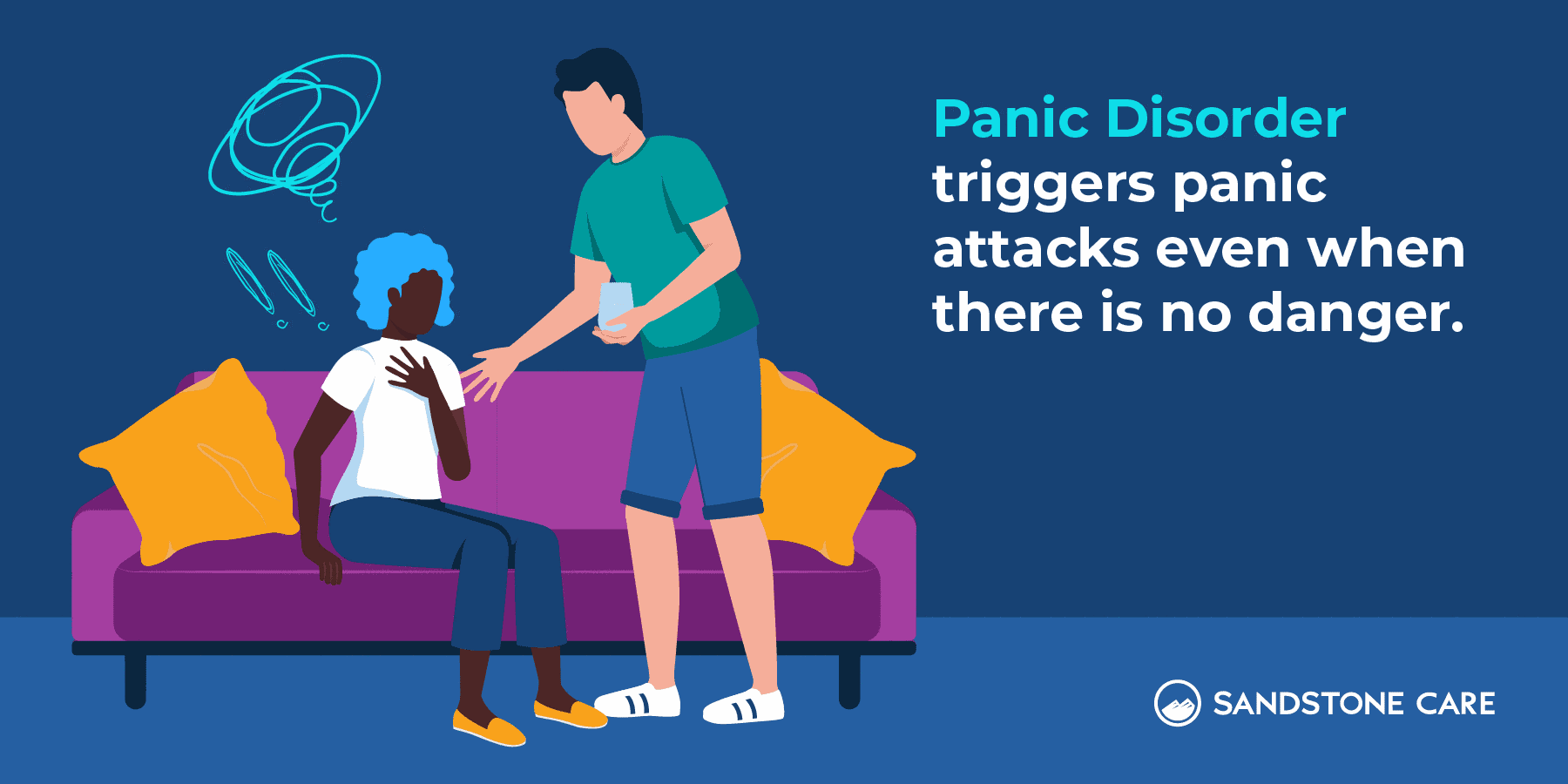
When someone has a panic disorder, they regularly experience panic attacks even when there is no actual danger or obvious cause for the panic attack.

A panic disorder is different from an occasional panic attack. While many people may experience a panic attack, a panic disorder is when someone experiences several panic attacks that are unexpected and cause anxiety about another panic attack happening.

A panic attack may last only a few minutes, or it can last longer.
Symptoms of a panic disorder can include:

  • Feeling out of control
  • Feeling of impending doom
  • Worrying about when the next panic attack will happen
  • Avoiding places where panic attacks have happened
  • Racing heart, heart palpitations, or pounding heart
  • Sweating and chills
  • Shaking
  • Feeling like you can’t breathe
  • Experiencing tingling or numbness in your hands
  • Other physical complaints, such as a stomach ache, nausea, and chest pain

Many of the symptoms of a panic attack overlap with those of a heart attack. If you experience symptoms such as chest pain and shortness of breath, seek emergency medical attention.

If you are diagnosed with a panic disorder instead of a heart attack, your healthcare provider can help you come up with ways to calm and ground your body. They can also help you understand when chest pain is due to panic attacks versus needing to come and get checked out for a heart issue.

Other mental health conditions, such as depression, other anxiety disorders, and obsessive-compulsive disorder, can occur with panic attacks. Like other anxiety disorders, a combination of psychotherapy, medication, and lifestyle adjustments may help.

In panic disorder, CBT is a commonly used therapy method.

A specific type of CBT called exposure therapy can help individuals participate in activities or visit places they have been avoiding due to their panic disorder. It can also intentionally provide exposure to the bodily sensations that happen during a panic attack.

Panic Disorder triggers panic attacks even when there is no danger.

Post-Traumatic Stress Disorder

It is normal to experience symptoms such as anger, anxiety, and difficulty concentrating after you experience a traumatic event. When those symptoms linger and impact daily life, it may be due to a condition called post-traumatic stress disorder (PTSD). 

Traumatic events can include witnessing violence, experiencing an assault, living through a natural disaster, and several other stressful scenarios.

For most people, symptoms after the event resolve within several weeks.

However, some people continue to experience ongoing symptoms for a month or longer that significantly impact their daily lives. When symptoms persist, it may be a condition called post-traumatic stress disorder.

PTSD can be hard to identify on your own because it is not just feeling shaken after something scary. Clinicians diagnose PTSD by looking for a specific pattern that starts after a traumatic event and keeps affecting daily life.

In simple terms, PTSD usually includes all of the following:

  • A trauma exposure, such as experiencing, witnessing, or learning about a serious event involving threatened or actual death, serious injury, or sexual violence

  • Re experiencing symptoms, like nightmares, intrusive memories, or flashbacks

  • Avoidance, like steering clear of reminders, places, conversations, or even thoughts connected to what happened

  • Ongoing changes in mood or thinking, such as feeling numb, ashamed, detached, or unable to enjoy things

  • A body that stays on high alert, such as poor sleep, irritability, feeling on guard, or being easily startled

For PTSD, the symptoms last at least a month, interfere with life, and are not better explained by substances, medication, or another medical condition.

It is important to talk to a professional because PTSD can overlap with depression, anxiety, panic symptoms, and substance use, and the right diagnosis affects the right treatment.

PTSD is treatable, and many people feel significant relief with trauma focused therapy. Some people also benefit from medication, especially when symptoms like anxiety, low mood, or sleep problems are making day to day life harder. Supportive approaches such as mindfulness practices, movement, or other complementary therapies can also be helpful when they are used alongside evidence based care.

Trauma focused talk therapies with strong research support include:

  • Cognitive processing therapy (CPT), a structured form of cognitive behavioral therapy that helps you identify unhelpful trauma related beliefs and build healthier ways to cope

  • Eye movement desensitization and reprocessing (EMDR), which uses guided back and forth stimulation while you recall parts of the trauma so the memory can be processed in a less distressing way

  • Prolonged exposure therapy, which helps you gradually face trauma reminders in a safe, supported way so they become less overwhelming over time

Phobia Disorders

Phobia disorders are when someone has a bigger-than-expected reaction to specific circumstances or people to the point that it impacts their ability to function in daily life.

For example, many people are afraid of dogs. However, if your fear of dogs is so intense that you avoid walking around your neighborhood in the evening because that’s when more dogs are out, it might be a phobia disorder.

A phobia can be a specific object or situation, such as an intense fear of flying, snakes, or fear of heights. While it’s normal to feel some anxiety around flying, someone with a specific phobia of flying might experience such excessive fear that they avoid flying and choose to drive instead. Or they require medication and additional help in order to fly.

Symptoms usually show up in one of two ways. You may feel a strong anxiety reaction when you are exposed to the feared object or situation, or you may feel anxious even anticipating it. Along with fear, people often notice common anxiety symptoms such as a racing heart, sweating, shaking, nausea, or feeling lightheaded. Over time, avoidance can shrink someone’s world, for example choosing longer routes to avoid a trigger, skipping events, or needing reassurance or substances to get through situations.

Phobia disorders are highly treatable, especially with therapy that targets avoidance and teaches the brain and body that the trigger is not as dangerous as it feels.

The most evidence based approach is psychotherapy, often using cognitive behavioral therapy. A core part of CBT for phobias is exposure therapy, which helps you gradually face the feared situation in a planned, supported way until your anxiety decreases and you regain confidence. Acceptance and commitment therapy can also be helpful, especially for learning how to tolerate anxiety sensations without letting them control your choices.

Medication can be part of treatment for some people, particularly when anxiety is intense or phobias overlap with broader anxiety symptoms.

For longer term anxiety, a prescriber may consider medications like SSRIs or SNRIs. For short, specific situations such as flying or medical procedures, some people are prescribed a beta blocker or, less commonly, a benzodiazepine, although benzodiazepines are typically used cautiously because of addiction risk. Healthy lifestyle habits like sleep, movement, and reducing caffeine can support recovery, but they usually work best alongside therapy.

Other Anxiety Disorders

The DSM-5 also recognizes several additional anxiety disorders. These include:

  • Separation anxiety disorder
  • Selective mutism
  • Substance/Medication-Induced Anxiety Disorder 
  • Anxiety Disorder Due to Another Medical Condition 
  • Other Specified Anxiety Disorder 
  • Unspecified Anxiety Disorder 

There are other nuances, too. For example, you can be diagnosed with panic attacks but not necessarily have a panic disorder.

There are several different types of anxiety disorders and they overlap with other mental health conditions. It is essential that if you think you have an anxiety disorder, you seek professional help for a diagnosis and treatment.


What Type of Anxiety Do I Have?

It is hard to figure out which type of anxiety you have without talking to a professional. This is because there are several types and anxiety often exists alongside additional mental health conditions.

However, it is important to take clinical questionnaires under the guidance of a professional. If you are searching the internet to see if you have symptoms of anxiety disorders, there are mental health professionals who can help, whether you end up receiving a diagnosis or not.

Everyone experiences stressful periods and responds differently to stressful events. The difference between expected levels of anxiety and an anxiety disorder is that the disorders impact your ability to go about your daily life and are persistent. The symptoms don’t go away over time.

At Sandstone Care, we specialize in mood disorders like anxiety and depression for teens and young adults. We offer both residential treatment centers (RTCs) and outpatient options. Outpatient options include partial hospitalization programs (all day programming) and intensive outpatient programs.

If you have a teen aged 13-18, a young adult aged 18-30, or you are a young adult in need of help for anxiety or other mental health condition, please reach out. We are here to help! Call (888) 850-1890.


Background Image
Young black man standing in front of a blue background.

Let’s take the next steps together

Sandstone Care is here to support teens and young adults with mental health and substance use disorders.