Understanding Teen Signs of Depression
What Does Adolescent Depression Do to the Brain?
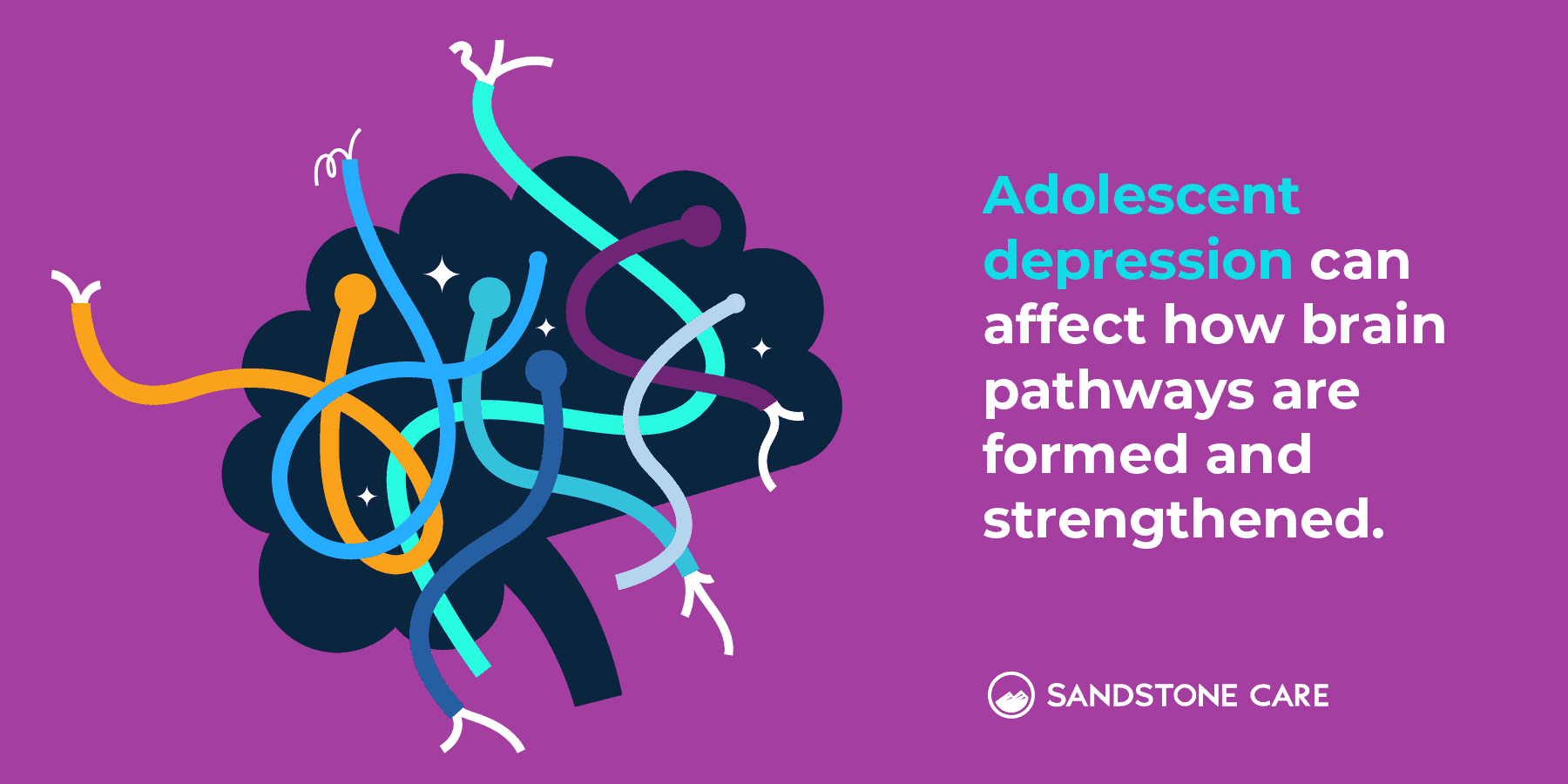
Adolescent depression can affect how a teen’s brain develops because it shows up during a major “remodel” period, affecting everything from coping skills to grey matter.
During the teen years, the prefrontal cortex (which helps with planning and self-control) is still under construction.
A normal part of this stage is something called “synaptic pruning.” During synaptic pruning, the brain trims connections it doesn’t use much and strengthens the ones it uses often.
While trimming connections may sound like a bad thing, it is actually an essential way that the brain learns how to get better at skills like planning, shifting attention, thinking before acting, and calming themselves down after they get upset.
Studies show that teens with depression may not go through this process as quickly as their peers, which can make it difficult for them to navigate their emotions and destroy their ability to feel motivated.
Sleep is another critical part of teen brain development, but depression can make sleep more difficult. This can make teens feel more fragile and struggle with their self control.
When a teen feels stuck, like when they are depressed, they will often try anything to make themselves feel better.
They may try to self-medicate through doomscrolling, vaping, drinking, or other addictions.
Since the teen brain is learning what rewards should look like, this can cause serious damage to their ability to cope in a healthy way as an adult.
This is why it is so important to start age-specific care for teens with depression as quickly as possible.
Therapy, medication, and learning coping skills can help struggling teens to interrupt damaging habits before they become more permanent and difficult to overcome.
Why Would My Child Be Depressed?
Depression in a child or teen usually happens because their brain and body are under more stress than they can manage right now.
This is usually caused by a mix of biology, development, and life pressures, not one single “reason.”
It’s also common for the cause to be hard to see from the outside, even for caring parents.
Many kids work hard to look “fine,” or they don’t have the words to explain what’s wrong. Others show depression in ways that don’t look like sadness, so it can be easy to miss or misread as attitude, laziness, or disrespect.
Depression is not automatically a reflection of something a parent did or didn’t do. Over 20% of teens in the United States experience it.
Teenage girls, those with a family history of depression, those with physical illnesses, and teens who are part of minority groups are at an even higher risk.
It can involve brain chemistry and development (including mood-related signaling systems like serotonin), chronic stress, sleep disruption, social pressure or bullying, grief or trauma, substance use, or even a medical issue that mimics depression.
That’s why it’s crucial to bring in professionals who are trained to spot the causes of mental health symptoms, so that your teen can learn the skills they need to handle what is actually driving their symptoms.`

How Can I Spot Depression in My Children?
You can spot depression in your children by looking for changes in mood and behavior, checking how much it’s affecting their daily life, and having a direct, calm conversation about what they’re experiencing.
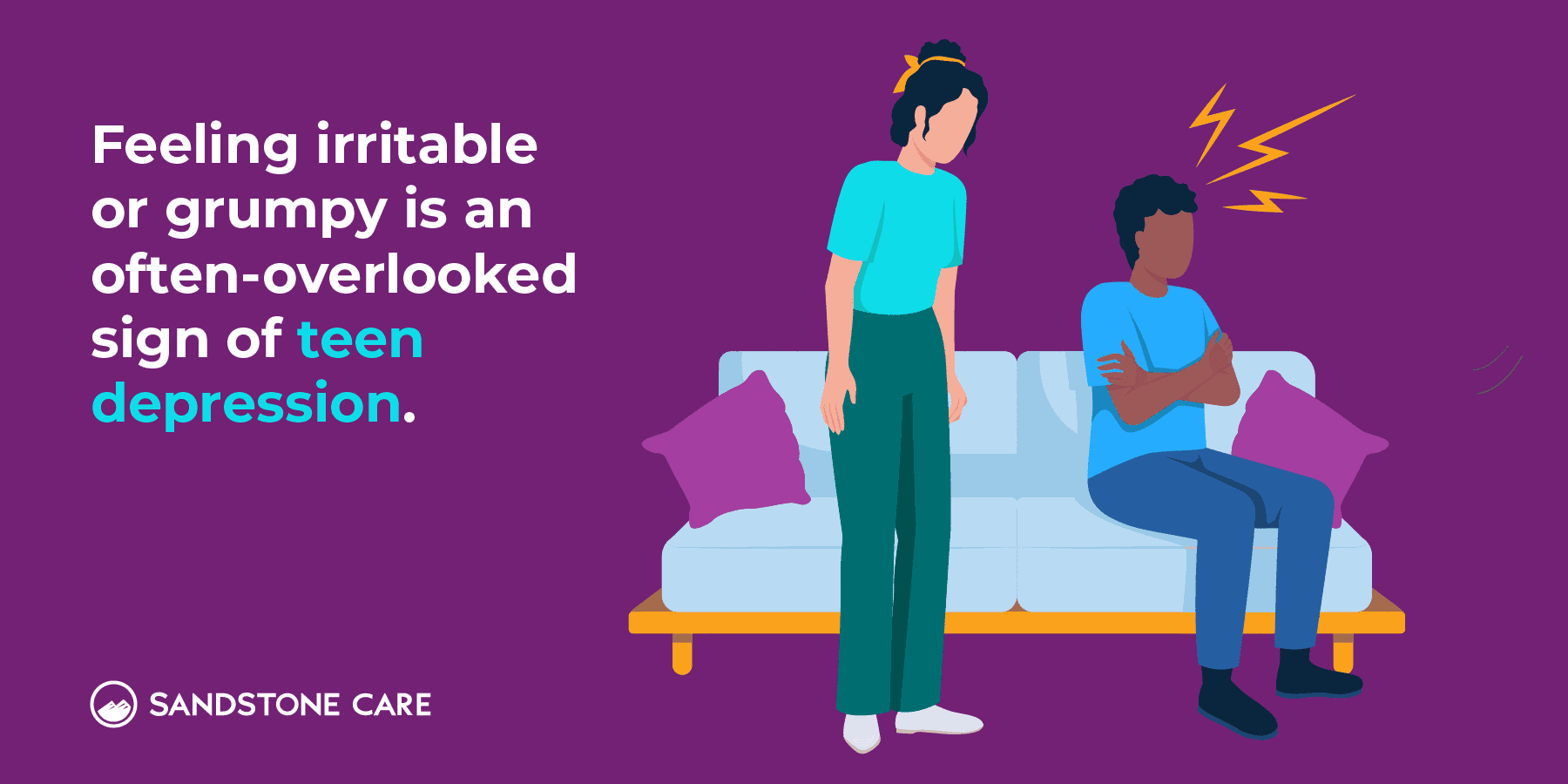
This can be difficult because depression doesn’t always look like sadness. Many kids and teens try to hide it, don’t have words for it yet, or show it as irritability, shutdown, or “I don’t care.”
Here are some concrete ways you can start to spot depression in your children:
- Look for long lasting changes from their normal behavior. If they are struggling for more than two weeks, it is a sign that they may be experiencing depression.
- Check for a loss of interest in things they used to love, especially if others, like coaches or teachers, are commenting on it.
- Track what they are struggling with. Depression often shows up as life “just getting harder.” Your teen may struggle with grades, missing school, hygiene, getting in fights, or isolating themselves.
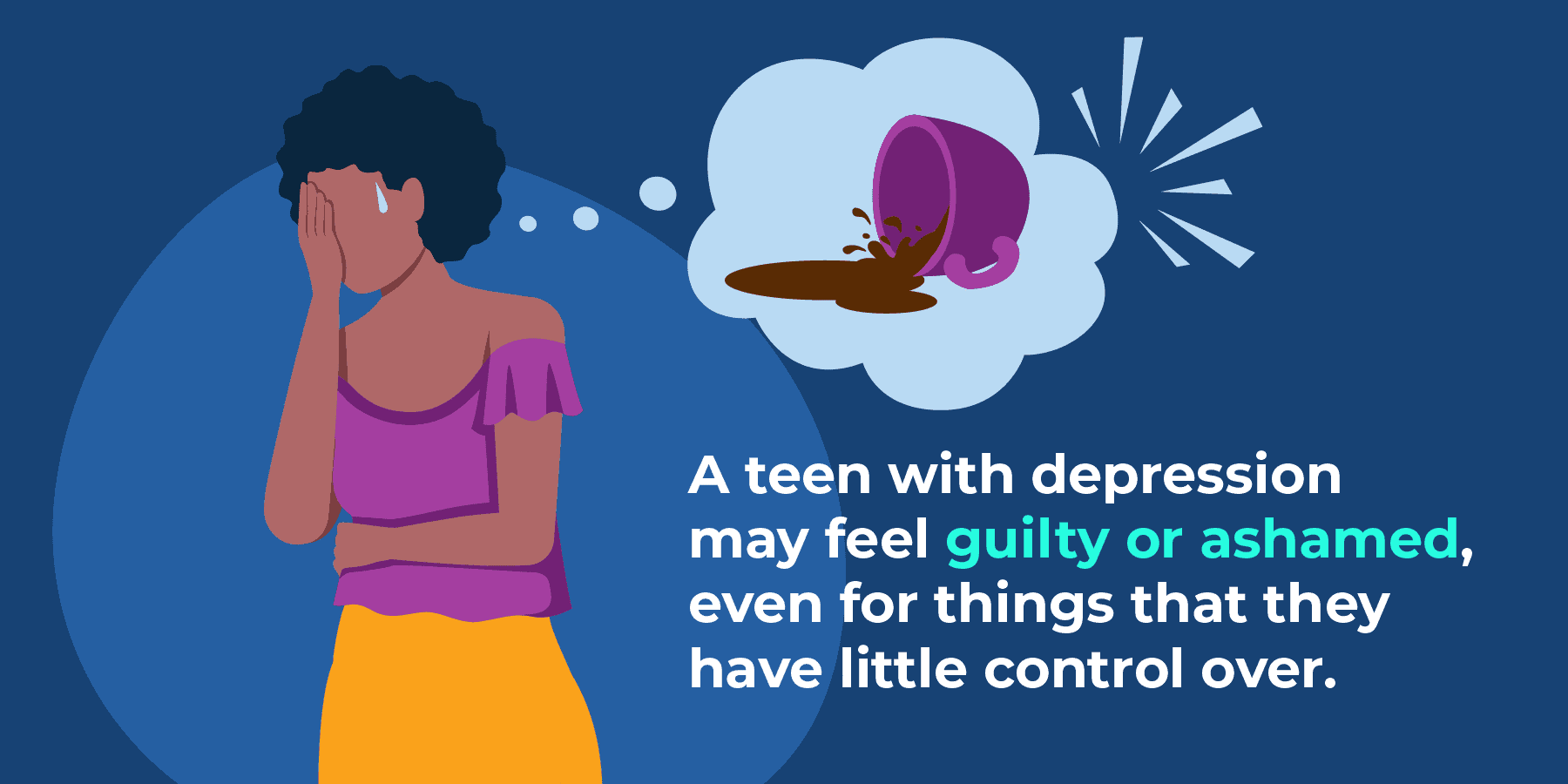
- Listen for hopeless, harsh self-talk. Take statements seriously like “What’s the point,” “I’m a burden,” “Nothing will get better,” or “I mess everything up,” even if they say it casually or as a joke.
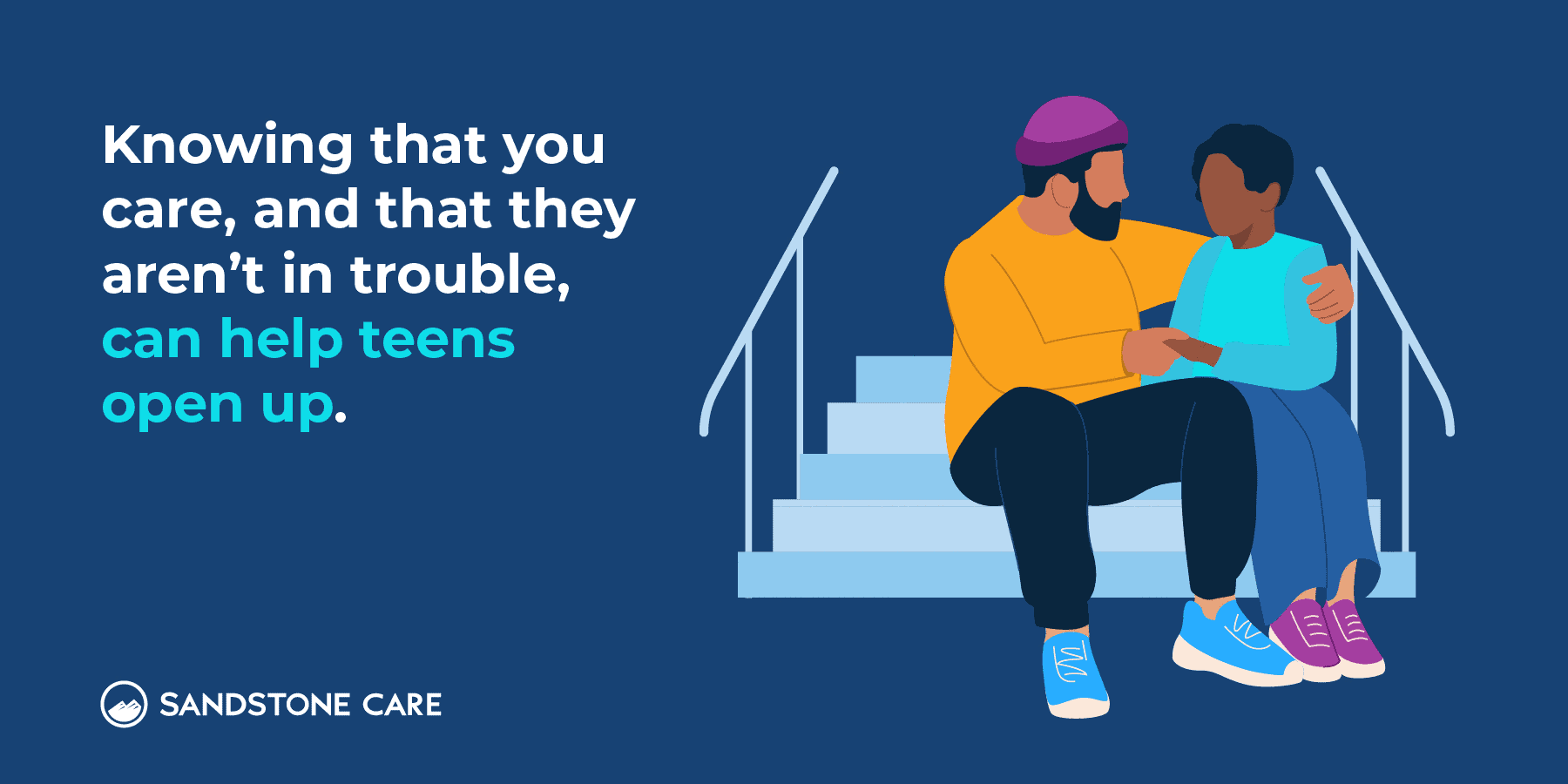
- Ask directly about their feelings, and about their safety. Knowing that you care, and that they aren’t in trouble, can help teens open up about their symptoms.
Try: “I’ve noticed you’ve been pulling back and not enjoying things. What’s been feeling hardest?”
If you’re worried, ask clearly: “Have you had thoughts about hurting yourself or not wanting to be here?” If the answer is yes, or you’re unsure, reach out for professional help immediately.
Mental health crisis centers can help you learn what steps to take next to make sure your teen can feel safe and stable.
You can also dial or text the 988 Lifeline (crisis lifeline) to speak to someone about self-harm and suicide prevention immediately, they are open 24/7.
When to Seek Treatment for Teenage Depression
How Do I Know It’s Time for Professional Help for My Child?
It is time to seek professional help for your child when you notice signs and symptoms of depression that continue for at least two weeks.
Other reasons to seek help for your teen from a health care professional include if you notice your teen:
- Struggling with daily functioning
- Expressing feelings of hopelessness or worthlessness
- Engaging in self-harm or risky behaviors, such as substance use
- Making comments about death, dying, thoughts of suicide, or wanting to disappear
- Having a hard time despite your support (e.g., working on stressors at home or reducing activities)
If your teen expresses suicidal ideation or suicidal thoughts, especially if they disclose a plan that they’ve thought about or intent to carry out a plan, seek immediate emergency help.
Be aware that while the laws and standards vary by state, all states have mandatory hold laws for individuals who express a desire to harm themselves or others.
This means that if your teen is expressing a desire to end their life, the hospital may require they receive treatment for a minimum period of time to ensure your teen’s safety.
What Are the Best Treatment Options for Teenage Depression?
The best treatment option for teenage depression often includes a combination of medication from a mental health professional, therapy, and lifestyle interventions.
Medications commonly include antidepressants, such as selective serotonin reuptake inhibitors (SSRIs). Your provider may prescribe different antidepressant medications depending on your teen’s needs and may also prescribe medication to help with sleep.
Depending on the severity of the depression, therapy may take place on a weekly outpatient basis, an intensive outpatient program, a residential treatment center, inpatient care, or a combination.
Regardless of the setting, your teen may receive one or more types of psychotherapy during treatment.
Therapies may include:
- Cognitive behavioral therapy (CBT)
- Dialectical behavior therapy (DBT)
- Interpersonal therapy (IPT)
- Acceptance and commitment therapy (ACT)
Not all facilities or therapy groups offer all of these types of therapy, and some groups may offer different options. This list is not exhaustive.
Benefits to therapy may include:
- A reduction in depressive symptoms
- Improved communication skills
- Strengthened emotional regulation
- Reduced negative thoughts
- Other coping tools, such as the ability to reframe stressful situations
Depression can also share symptoms with conditions like bipolar disorder or anxiety disorder, which is why it is so important to have expert therapists who can help find the root cause to what your teen is experiencing.
How Do I Find an Effective Mental Health Program Near Me?
There are several ways to find effective mental health programs near you. Emergency facilities, employee assistance programs, your pediatrician, school counselor, insurance provider, and helplines are all resources that can help you find a nearby mental health program.
Emergency departments: If your teen is experiencing a mental health emergency, it is essential to get immediate help. An emergency department or mental health crisis center can assist.
Employee assistance programs: Many companies offer Employee Assistance Programs (EAPs) as a benefit to their employees. For immediate help that is not an emergency, this is often a great way to get connected to help quickly.
Pediatrician: Your pediatrician or family practice provider likely has resources available and mental health providers they can refer you to. Some providers may also be comfortable seeing your child urgently before a mental health provider can get them in to establish mental health care.
School counselor: Most schools have a counselor who can offer support at school and recommendations for where to seek help. If your child needs accommodations at school, they can also help connect you to resources to support your child there. For example, some teens may qualify for a 504 plan or an individualized education program (IEP).
Insurance provider: Most insurance plans will provide you with a list of mental and behavioral health care providers and programs that are in network. Reach out to your insurance provider for more information on how to access mental health care covered under your plan.
Helplines or hotlines: You can call or text the 988 Lifeline to find a nearby crisis center if your teen needs someone to talk to urgently and can’t wait for an appointment.
If you are concerned your teen is struggling, and it is not an immediate emergency, reach out to a mental health treatment center for help. Sandstone Care recognizes that being a teen is hard and has treatment programs to meet the mental health care needs of teens and young adults in both residential and outpatient settings. Call (888) 850-1890.

Addiction & Mental Health Treatment Center in Rockville, MD
11820 Parklawn Dr. #403, Rockville, Maryland, 20852
(301) 321-7362
Mental Health Residential Treatment Center for Teens
864 Barranca Drive, Castle Rock, CO 80104, Castle Rock, Colorado, 80104
(720) 782-0502