
What “Needing Rehab” Really Means
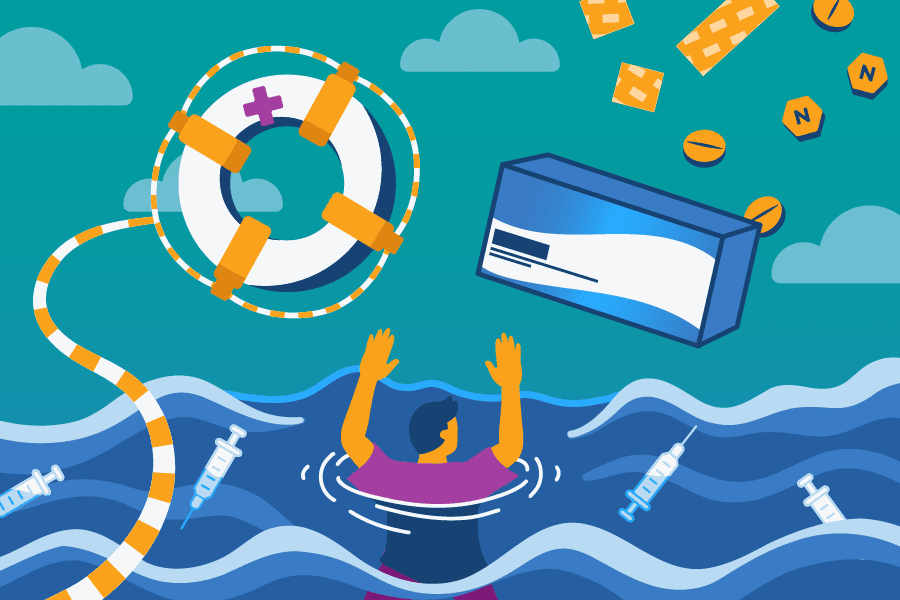
When people hear rehab, they often think of the most severe addiction cases. What “needing rehab” really means is that using substances has started to interfere with your ability to function safely in your everyday life.
Treatment programs can provide the help you need for drug addiction, such as alcohol abuse or opioid dependence, before the situation becomes life-threatening.
Seeking rehab at a treatment facility does not mean you have failed. Instead, it means you are taking an active step toward starting your recovery journey.
Differences Between Rehab, Therapy, and Outpatient Care
There are many treatment options available depending on your needs and the level of support that would help you navigate your unique circumstances.
Therapy: Counseling is often included in rehab, outpatient care, and inpatient care. It is also a standalone health care option. Individual therapy can help you work through topics specific to your situation. This can also include family or group therapy.
Outpatient programs: Intensive outpatient programs (IOP) and partial hospitalization programs (PHP) are two examples. These programs are for people who do not require inpatient care at a recovery center. Clients can safely live at home while attending therapy and support sessions several times a week. PHP, sometimes also called “day treatment”, offers a more intensive level of care than IOP.
Inpatient rehab: Residential, or inpatient programs provide structured care in a treatment program. Similar to intensive outpatient programs, they can help you build the tools and skills necessary to avoid relapsing.
Detox: Detox is the process of withdrawing off of substances. Because withdrawal symptoms can be dangerous, detox is ideally done in a medical detox facility under medical supervision prior to beginning rehab or other therapy programs.
At Sandstone, our detox centers offer private rooms, 24/7 medically supervised care, and comprehensive treatment plans that account for the unique interactions of drug use and mental health issues.
4 Clinical Signs that Substance Use Has Become a Disorder
Medical professionals may diagnose substance use disorder based on several clinical signs.
Examples of some of the clinical signs medical professionals use in their assessments, include cravings, tolerance, and wanting to stop but struggling to do so independently.
Losing Control of Cravings and Compulsions
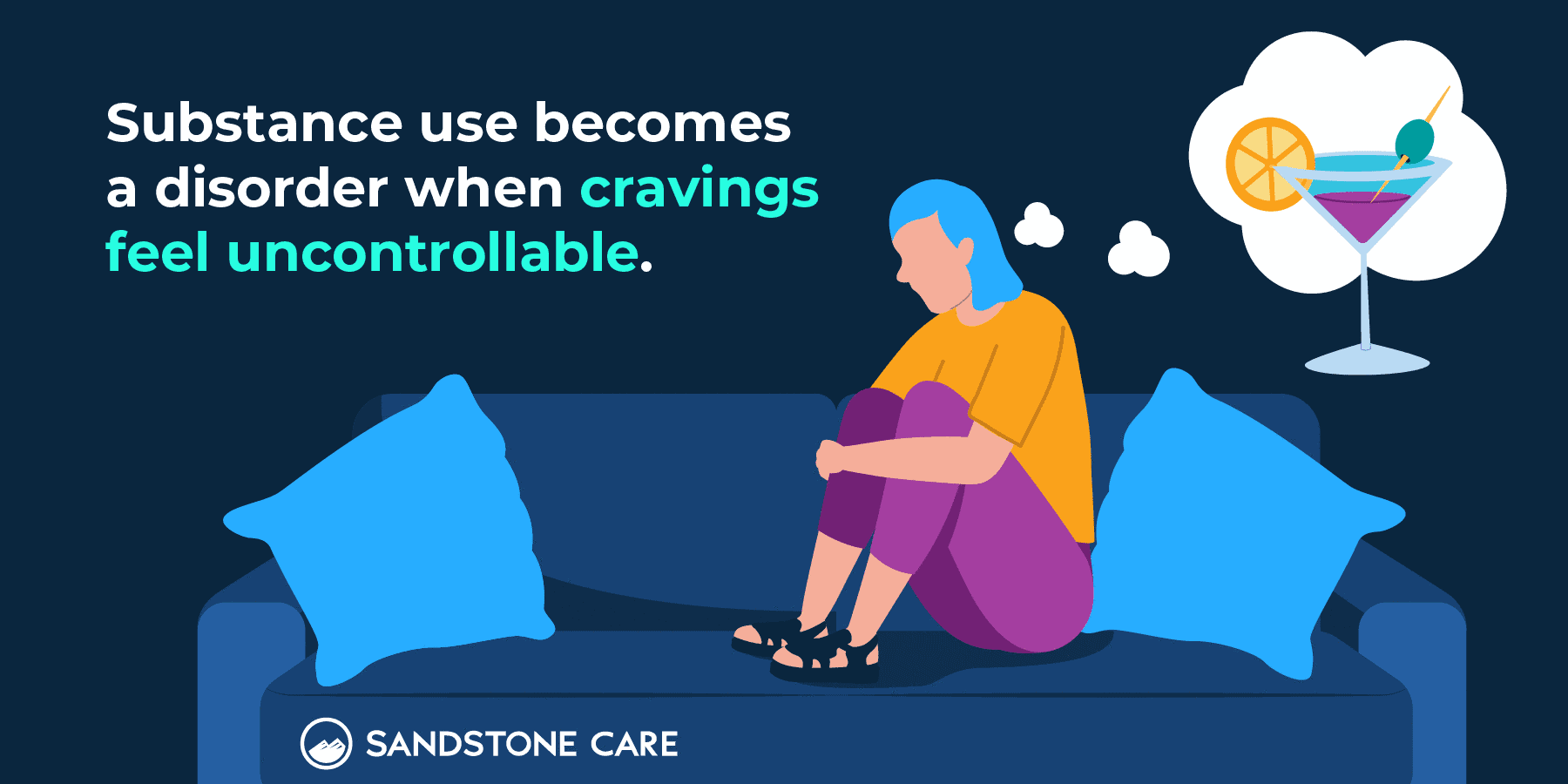
A clear sign of addiction is the inability to control how much or how often you use a substance.
For example, you may intend to only have a couple of drinks with friends on a Friday night but find yourself blacking out instead.
Having strong cravings that you cannot control is a major sign that your drug or alcohol use may now be a disorder.
Experiencing Tolerance and Withdrawal
When you need more and more of a substance to feel the effects you are looking for, that is a sign that your body is developing a “tolerance.”
When you have a tolerance to a drug, alcohol, or other substance, it can drive you to seek it in higher amounts more often.
You may also find yourself taking bigger risks to try and get a hold of your substance of choice, which can put you in danger and risk damaging relationships.
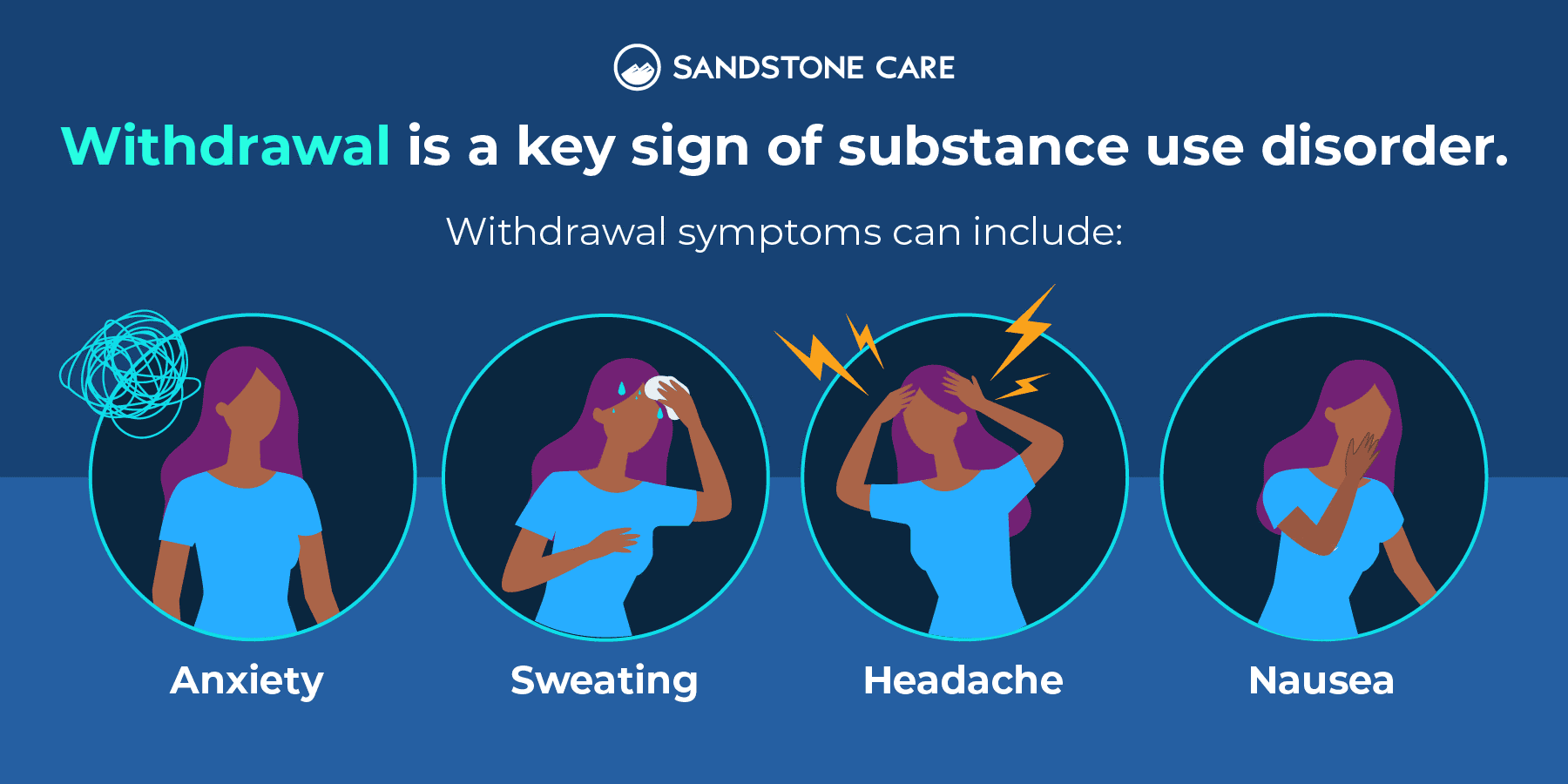
You may notice that if you stop or reduce how much you use, withdrawal symptoms appear, such as:
- Anxiety
- Sweating
- Tremors
- Nausea
- Vomiting
- Insomnia
- Headache
Withdrawal can be difficult on the body. In some cases, medical detox may be the best path to make sure you are physically safe as you go through the withdrawal process.
Struggling To Stop, Even When It Is Harmful
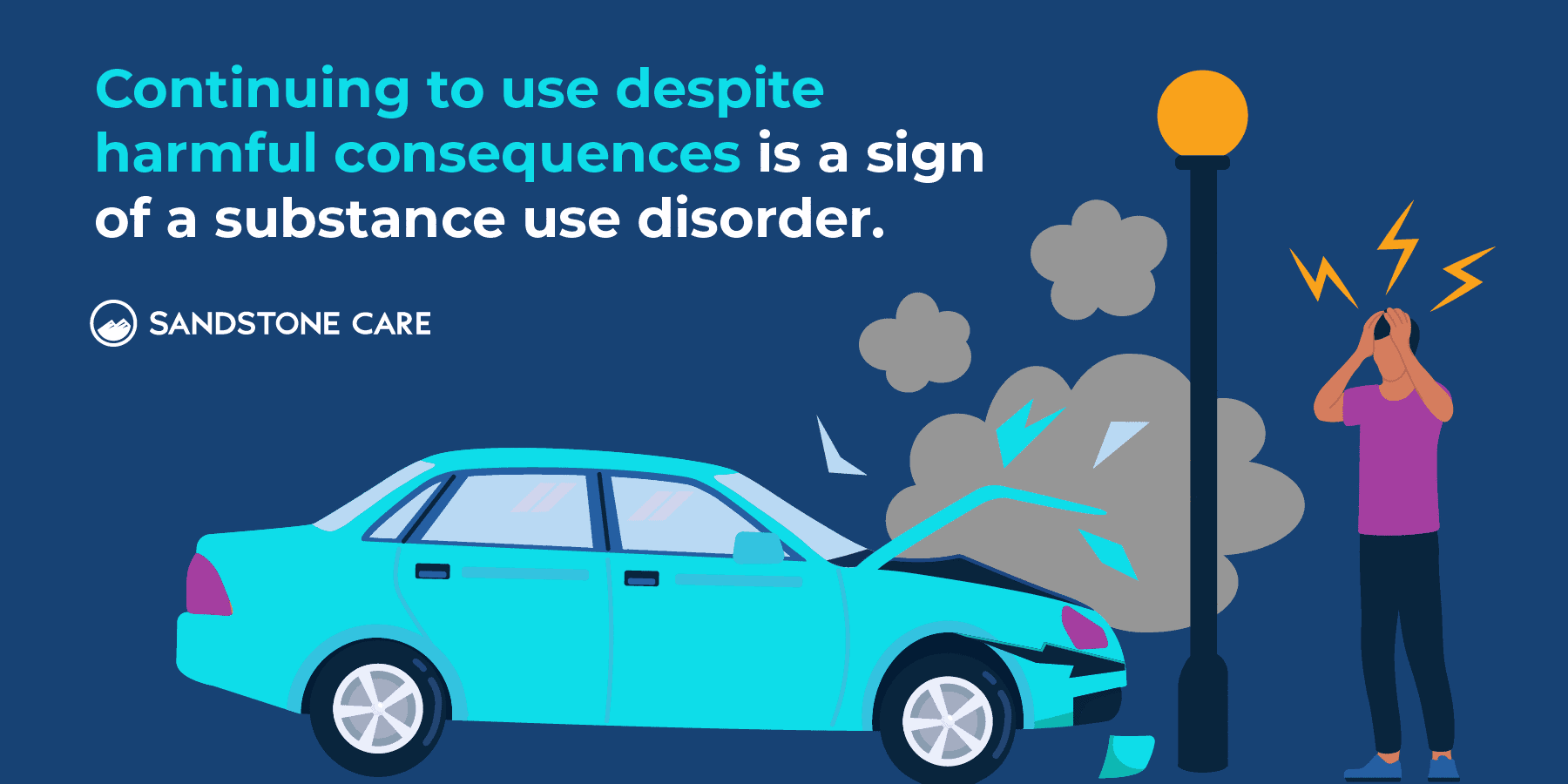
Another sign of substance use is continuing to use drugs or alcohol even when they cause harmful consequences, such as:
- Relationship challenges
- Legal issues
- Job loss
- Health problems
For example, someone may continue drinking despite getting a DUI or despite experiencing liver disease or another physical health complication.
Another person may continue taking opioids, even though they can feel that their anxiety, depression, and other mental health problems are becoming worse and worse.
Addiction can make it feel impossible to take care of yourself and your own well-being, which is why rehab programs can be so important.
Working with experts who care about you can help you to break the cycle of substance use long enough to build healthier ways to cope with stress and difficult life experiences, instead of digging yourself into a deeper hole when you face a challenge.
How To Know When You Are Showing “Enough Signs”
There is no “right number” of signs that means that you need, or don’t need rehab. The best way to know for sure is to speak with a medical professional if substance use is starting to affect your daily life.
Some people may only notice a couple of signs themselves, but would gain a lot of crucial skills for their mental and physical health if they attended rehab.
If you notice that using substances is impacting your ability to show up for your family, your friends, or for yourself, do not wait until you are in a crisis to start getting the help you need.
4 Behavioral Signs You May Need Rehab
Some of the earliest signs that you may benefit from rehab appears as changes to your behavioral health.
Struggling To Cut Down How Much You Are Using
You might try to reduce or cut down on drug or alcohol use, but find you are unable to maintain those changes on your own.
If you try to quit multiple times, and are unsuccessful over and over again, that is a strong indication that you need addiction treatment.
Putting Substance Use Above Other Priorities
When substance use becomes your daily focus, your other responsibilities and relationships are often negatively affected.
You may find yourself spending longer periods of time obtaining, using, or recovering from the negative effects of drugs or alcohol.
Using in Riskier Situations
Substance use can lead to risky behavior, such as:
- Driving under the influence
- Mixing drugs and alcohol
- Using substances at work or school
- Putting yourself in unsafe situations to obtain substances
Falling Behind in Work, School, or Home Responsibilities
When substance use becomes a priority, you might notice that you miss work or school deadlines, skip school, stay home from work, or neglect household responsibilities.
3 Physical Signs You May Need Rehab
Physical changes are often noticeable signs of drug abuse or alcohol addiction.
Building a Tolerance, Needing More To Get the Same Effects
As your tolerance increases, you may notice that you need more to feel the same effect.
Experiencing Withdrawal Symptoms When You Use Less
If you experience withdrawal symptoms when you try to stop or cut back, then it is likely your body has developed dependence.
Withdrawal symptoms are a strong sign that a detox or drug rehab program may be helpful.
Facing Challenges With Your Sleep, Appetite, Memory, and Health
Substance use can cause several physical changes, such as changes in your:
- Sleep patterns
- Appetite
- Memory
- Executive functioning
- Energy levels
- Overall health
Over time, these changes may contribute to significant mental and physical health concerns.
3 Emotional & Mental Health Signs
Substance use and mental health are closely connected. It is common to develop worsening mental health symptoms when your substance use increases.
Mood Swings, Anxiety, Depression, Irritability
Frequent mood changes can point to both a mental health disorder such as anxiety or depression, and addiction.
While substances may initially mask symptoms, they tend to worsen over time.
Using Substances to Cope
It is common to try to cope with mental health challenges through substance use.
For example, maybe you experience a lot of anxiety at work, and you take a drink as soon as you get home to unwind. While this might be ok occasionally, if you find yourself using alcohol to cope with anxiety, it will be harmful long-term.
Using substances to manage stress, trauma, or emotional pain is called maladaptive coping. It means an unhealthy way of coping with stressors.
Co-Occurring Mental Health Concerns and Dual Diagnosis
When you have a substance use diagnosis along with another diagnosed mental health condition, it is called a dual diagnosis.
Many individuals who experience addiction also experience other mental health disorders such as depression, anxiety, or PTSD.
An effective addiction treatment program can address dual diagnoses simultaneously and they understand how mental health conditions can affect substance use and vice versa.
At Sandstone, we specialize in providing evidence-based dual-diagnosis care to teens and young adults. If you’re considering treatment for yourself or a loved one, reach out at 888-850-1890. We are here to help and answer your questions.
3 Relationship, Work, and Life Impact Signs
Addiction can impact every aspect of your life, such as your relationships, work, school, and social life.
Experiencing More Conflict or Isolation
Secrecy around substance use can damage trust and lead to more conflict or isolation, especially if you made promises to cut back or quit.
Facing Financial Problems and Legal Consequences
In some cases, substance use can lead to:
- Job loss
- Reduction in job performance
- Poor grades
- Debt
- Legal problems
These consequences can signal the need for professional help.
Losing Interest in Hobbies or Relationships
When you experience addiction, you may find it challenging to participate in hobbies, relationships, or activities you once enjoyed.
If you notice yourself withdrawing from your normal life and losing interest in hobbies and social activities you previously participated in, it may be a sign to explore rehab options.
3 High-Risk Signs That Need Immediate Help
Some warning signs require urgent intervention to ensure your safety.
Showing Signs That You Are at Risk of Overdose
If a friend or family member needs to use Narcan on you or you narrowly avoid an overdose, immediate substance abuse treatment may be necessary to avoid a life-threatening outcome.
Experiencing Safety Risks Such As Self-Harm
Substance use can increase the risk of self-harm or harm towards others, especially if you experience other untreated mental health conditions.
Any time you experience thoughts of harming yourself or others, especially with a plan and the means to act on that plan, it requires immediate medical help.
If you are concerned for your own safety or the safety of a loved one, options for immediate support include:
- Calling 911 or going to the emergency department
- Going to a mental health crisis center
- Calling or texting the 988 helpline
Needing Supervision To Keep Yourself Safe
(Detox or 24/7 Support May Be Needed)
To safely withdraw from substances, detox with 24/7 medical supervision and support may be needed.
For example, you may need to go to a detox facility followed by an inpatient rehab stay or other structured program.
What to Do Next If You Recognize These Signs
If you see yourself or a loved one in these signs, taking the next step into detox or rehab can feel overwhelming. Know that help is available.
A qualified treatment center can help you by:
- Conducting a professional assessment
- Creating a personalized treatment plan
- Offering different levels of care, including rehab programs, based on your needs
- Helping you verify health insurance coverage with insurance providers
- Working with you on discharge needs to help provide continuity of care
Whether you go with outpatient care, inpatient rehab, detox, or a different level of care, seeking support is an essential first step towards lasting recovery.
At Sandstone, we have treatment centers across the country and our residential treatment centers accept clients nationwide. Whether you choose us for care or elsewhere, our admissions team is available at 888-850-1890 to help.