Doomscrolling Meaning
What Is Doomscrolling?
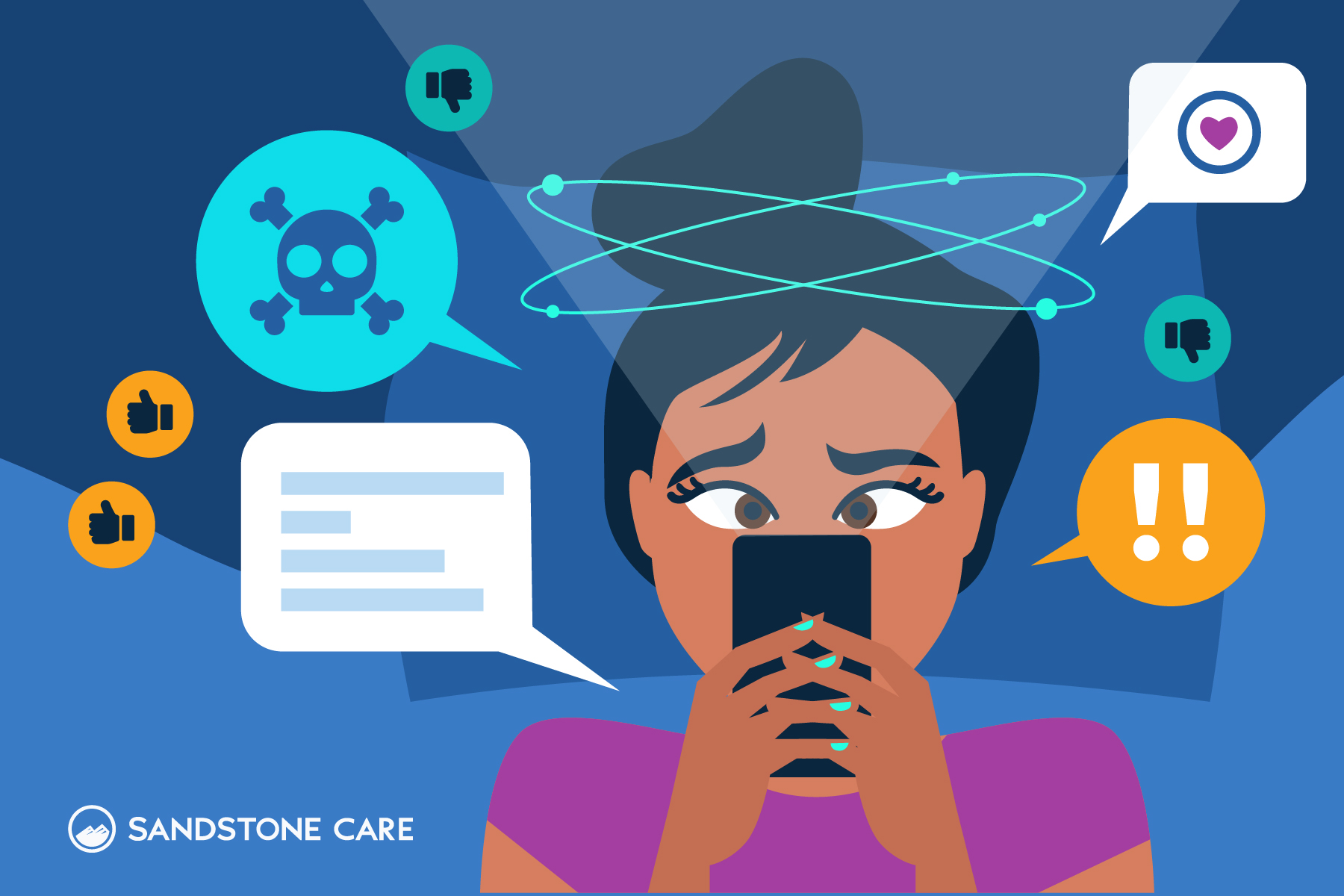
Doomscrolling is the act of spending too much time online scrolling through news or other content, leading to feelings of sadness, anxiety, or worry.
While feeling panicked over headlines is nothing new, doomscrolling was added to the dictionary in 2020 to cover a new, technology-centered form of anxiety.
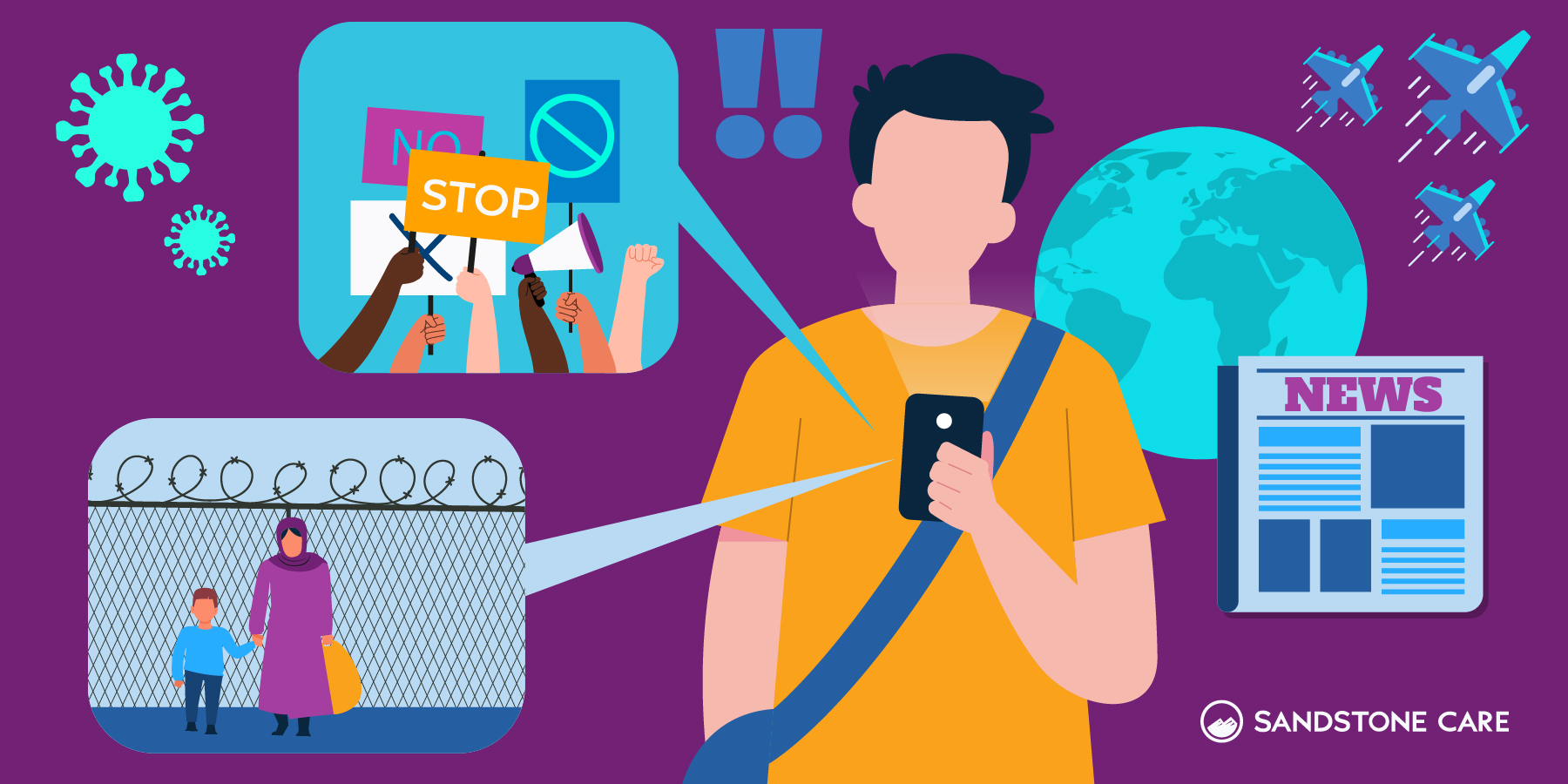
At first, people used the term during the early days of the COVID-19 pandemic to try and describe the way people were staying glued to their screens for news updates and to pass the time while they were in lockdown.
But doomscrolling became something far more damaging than most people expected.
People suddenly found themselves caught in endless feeds of bad news, terrifying headlines, or traumatic videos.
If you’ve ever been caught in a doomscroll, you know how difficult it is to pry your attention away, even when you know it is making you feel worse.
Is Doomscrolling Bad?
Yes, doomscrolling can lead to negative side effects, like psychological distress, anxiety, emotional numbness, and depressive symptoms.
Doomscrolling, especially with “short-form content” such as reels, shorts, or TikTok videos, hijacks your brain’s reward system. Many of these platforms are designed to keep your attention for as long as possible to keep you on their app or website.
If you see something distressing, and you don’t look away, the social media algorithm makes a note that you are interested in that content.
This means that natural human reactions, like fear or anger, may actually be creating a feed of more and more distressing posts.
By adding an endless scroll function, your brain gets a tiny hit of dopamine every time you push for the next clip, even when the content itself is upsetting.
The more stressed or upset you are, the more you crave feelings of reward and satisfaction, which can drive you to scroll even longer.
Before you know it, you’re trapped in a slot machine built entirely to make you feel alone, numb, helpless, and overwhelmed.
Doomscrolling can also lead to:
- Reduced executive functioning skills (e.g., poorer memory, planning, and decision-making)
- Emotional desensitization (making you feel numb to serious or scary situations)
- Burnout
- Damaged self-worth
It’s normal to want to stay informed. However, newsfeeds on social media can sometimes give you a constant feed of traumatic content like as violent footage from war zones, political panic, and natural disasters.
The human brain has not had the chance to evolve to be able to process that amount of pain, fear, and panic.
If doomscrolling is left unchecked, it may lead to vicarious trauma, which is sometimes referred to as “secondary traumatic stress”. This type of trauma produces symptoms similar to post-traumatic stress disorder, even though the individual wasn’t actually present.
When Did Doomscrolling Start?
Doomscrolling as a word started showing up online around 2018, when it was first used on Twitter and linked to the idea of scrolling through “doom‑and‑gloom” news. But it did not become widely known until early 2020, when COVID‑19 hit and people began spending much more time on their phones following frightening headlines and constant crisis updates.
The behavior behind doomscrolling, though, is older than the term. Long before smartphones, people were drawn to grim news because our brains are wired to pay extra attention to potential threats.
What changed in the late 2010s and especially during the 2020 pandemic was the technology: infinite scrolling feeds, constant breaking news alerts, and short‑form content made it easier than ever to stay locked into a cycle of “just one more update.”

How Many People Doomscroll?
While there aren’t exact numbers for how many people doomscroll, almost all Americans have a cell phone, and more than half of Americans use their phones to look at the news.
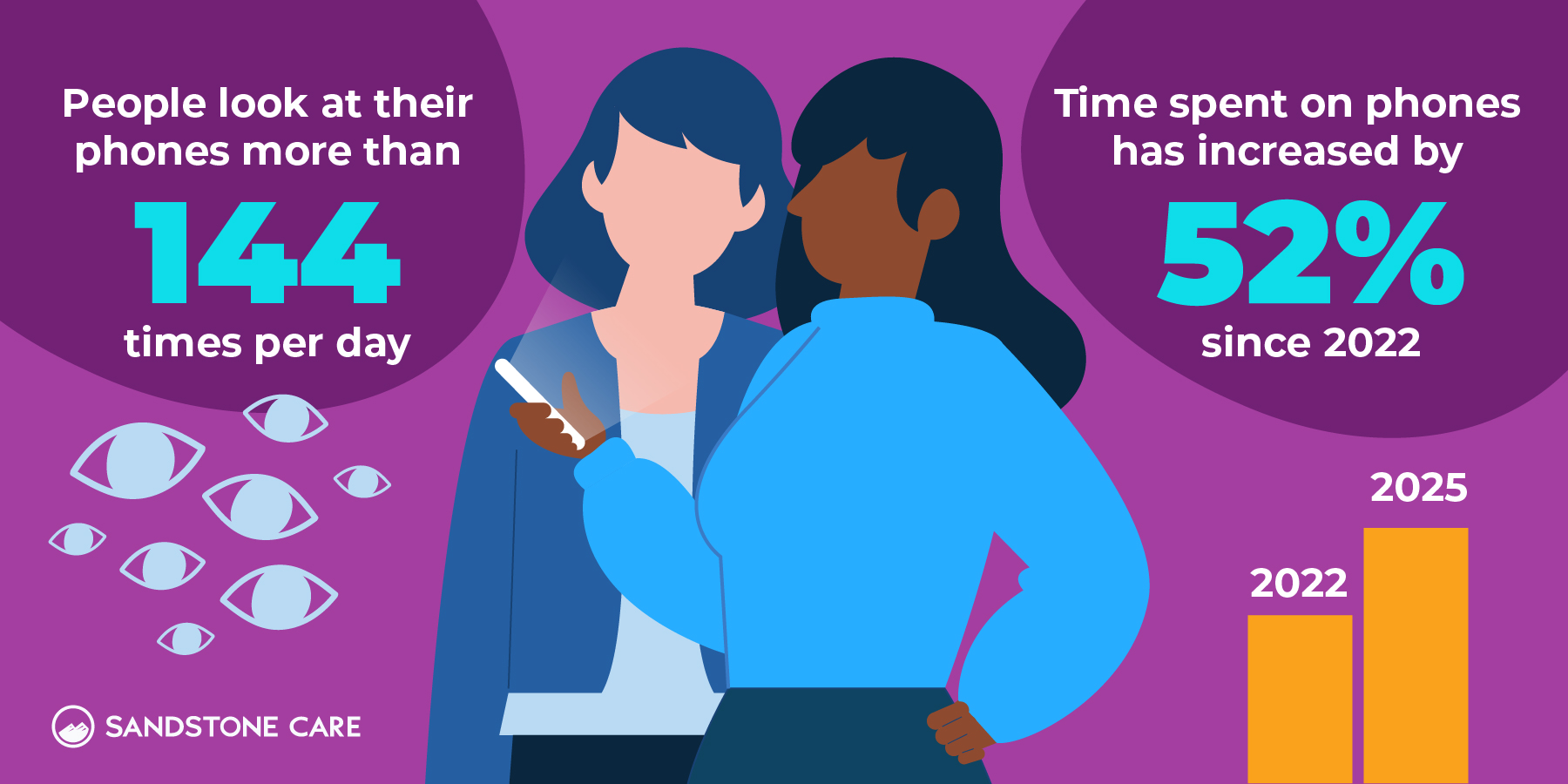
On average, people look at their phones upwards of 144 times a day and spend over four hours on them daily. Time spent on phones has increased by 52% since 2022, when users spent just under three hours, on average, on phones.
While not all of this time is spent doomscrolling, a significant percentage of time is spent scrolling the internet and on social media.
Effects of Doomscrolling on Mental Health
What Are the Effects of Doomscrolling?
The effects of doomscrolling or “doomsurfing” include negative effects on anxiety, sleep, and overall quality of life.
You may notice headaches from the increased screen time, as well as stress, irritability, and withdrawal from real-world activities. You may have trouble focusing.
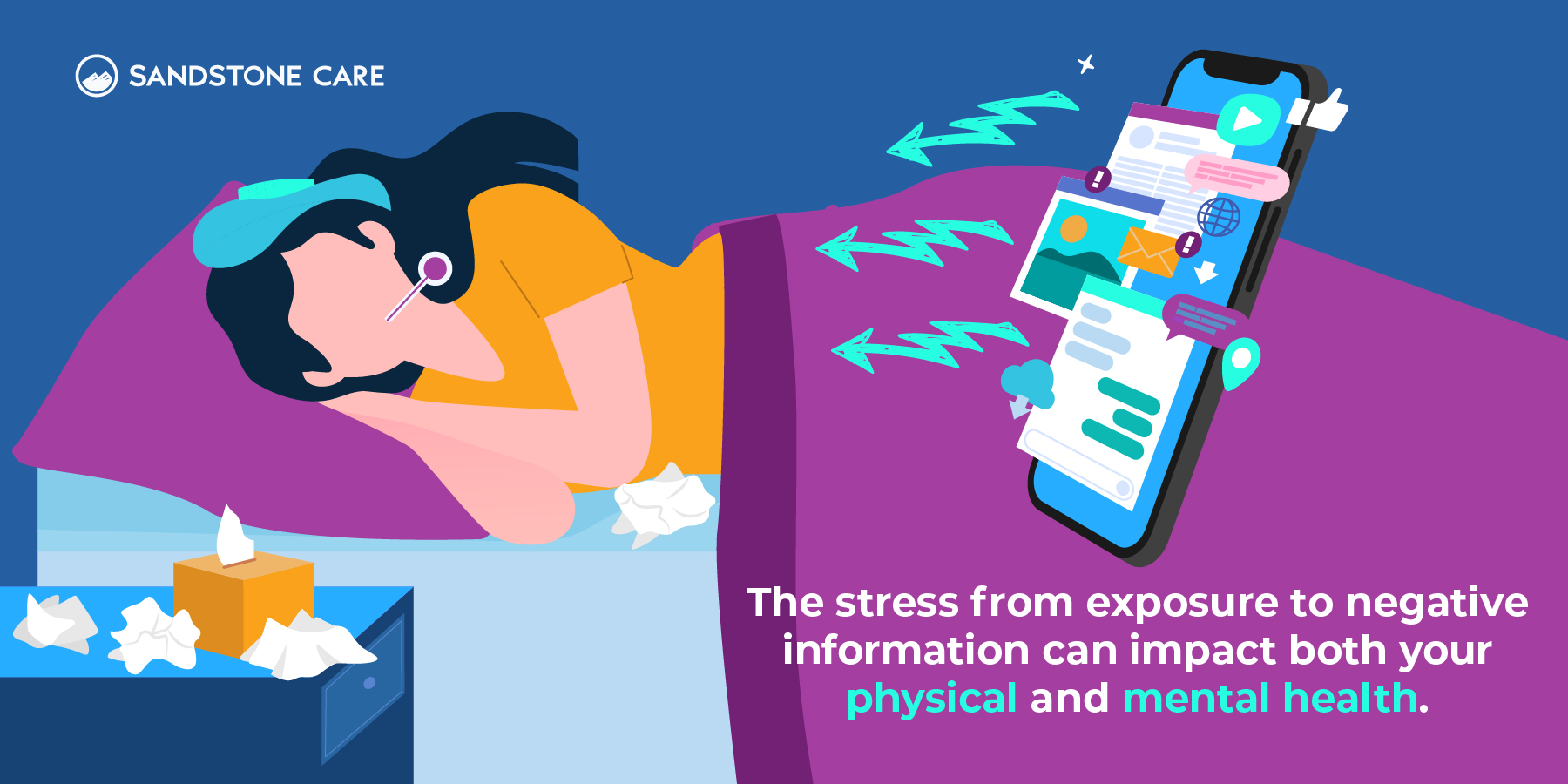
The stress from regular exposure to negative information can impact your physical health and lead to health effects beyond mental health.
For example, stress can cause physical symptoms, such as body aches, stomach upset, and a worsening of other health problems. It may also cause you to desire substances such as alcohol.
How To Tell When You Are Doomscrolling?
Warning signs that you are doomscrolling include:
- Checking multiple apps or newsfeeds compulsively, even when nothing new has been posted.
- Feeling unable to stop scrolling, despite negative feelings or anxiety.
- Experiencing “mindless scrolling depression,” where hours go by in a blur.
- Seeing the amount of time you spend online spike.
What Are the Negative Effects of Scrolling on Social Media?
The negative effects of scrolling on social media include:
- Lower self-esteem from constant comparison
- Increased fear of missing out (FOMO)
- Reduced face-to-face social interaction
- Distorted perception of reality or body image
- Procrastination and time loss
When the content is violent or tragic, like coverage of a school shooting or children starving in foreign countries, the effects on the user can be similar to vicarious trauma.
Social media use can intensify “fear of missing out” (FOMO). Notifications, “for you” pages, and the ability to indefinitely scroll through videos encourage users to consume more.
It is human behavior to seek more information for safety.
Algorithms prioritize content that triggers emotional reactions like fear, anger, or outrage, because those emotions keep people engaged with the app they’re using.
There are several symptoms of vicarious trauma. Some of them include:
- Feeling emotionally numb or shut down
- Increased irritability or emotional outbursts
- Being easily distracted
- Fatigue and difficulty sleeping
- Feeling hopeless about the future
Does Scrolling the News Cause Anxiety?
Yes, scrolling the news, especially about scary or dangerous situations, can cause anxiety and convince your nervous system that you are being threatened.
Even after you close a website or app, your brain may remain on alert. Over time, consuming continuous negative news coverage may lead to panic attacks, burnout insomnia, anxiety, and depression.
What Is Mindless Scrolling Depression?
Mindless scrolling depression is an informal phrase used to describe the low mood and numbness that follows long stretches of using social media.
It’s often used alongside similar phrases and terms, such as “digital burnout.” Digital burnout refers to the mental and physical exhaustion that can occur from constant scrolling and endless negative content.
Why Scrolling Feels Addictive
Why Is Scrolling So Addictive?
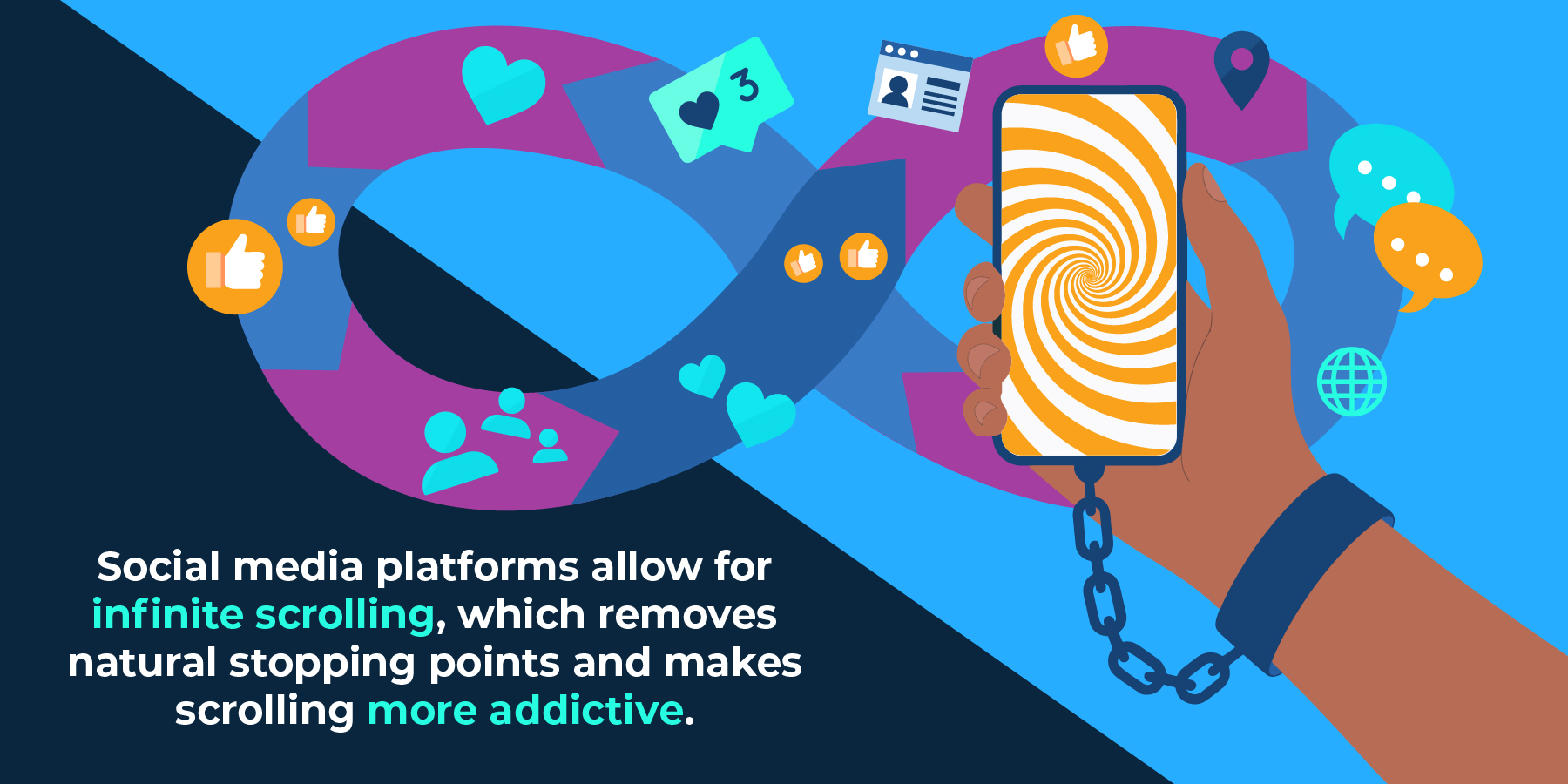
One reason scrolling is so addictive is that social media platforms allow for infinite scrolling, which removes natural stopping points while pumping the brain’s reward system with dopamine hits.
Infinite scroll, combined with the brain’s impulse for novelty, becomes addictive and overstimulating. Even when that novelty is nothing more than more bad news.
The inventor of infinite scroll, Aza Raskin, even acknowledged how dangerous infinite scroll can be on mental health. Stating, “”If you don’t give your brain time to catch up with your impulses, you just keep scrolling…it’s a bottomless pit…just because it is optimized and easy does not mean it is good for you, or good for humanity.”
Other sources of news, like newspapers and magazines, have a stopping point.
Users eventually reach the end of the content and have to make a conscious decision to go and find another printed news source.
Similarly, news shows on television used to have commercial breaks or end at a set time. Users had to switch channels to find more content.
Does Doomscrolling Release Dopamine?
Yes, each time you scroll, your brain releases a small amount of dopamine.
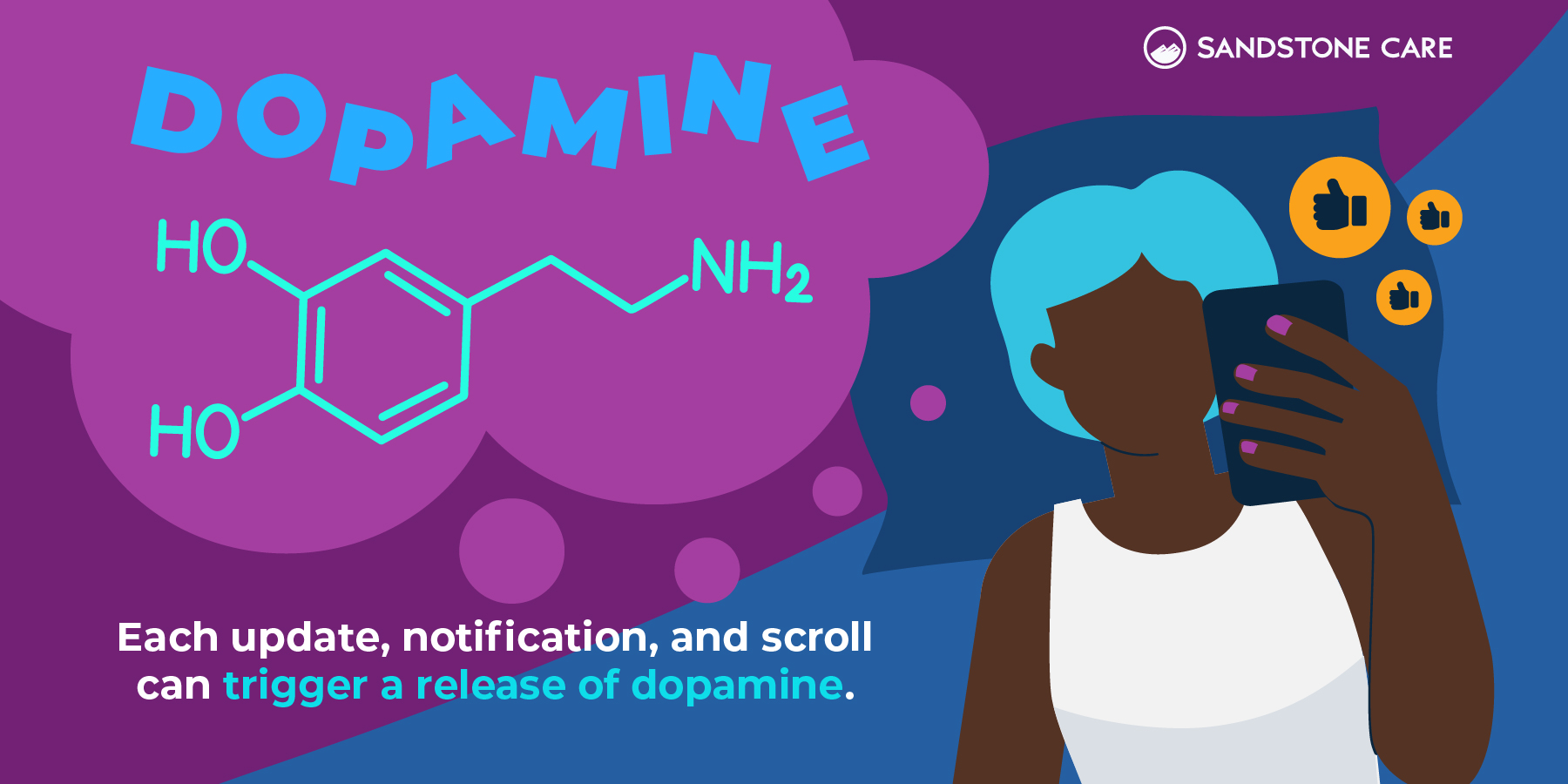
Each update, notification, and scroll can trigger a release of dopamine. This reward system of dopamine release is similar to the dopamine release in gambling and other compulsive behaviors.
The interesting truth about doomscrolling and dopamine, is that you are not actually getting the main reward from the video or post you are watching.
The dopamine is actually coming from the anticipation and the variation that comes every time you scroll. That “mystery-box” effect that is used by gambling machines works brilliantly to keep you on your phone for longer, and longer.
This is why even when you are not necessarily enjoying any of the content you are viewing, you still can’t look away. The dopamine comes from the scrolling, not from the posts themselves.
What Is Dopamine Scrolling or Zombie Scrolling?
Dopamine scrolling or zombie scrolling refers to the trance-like state that occurs during prolonged browsing.
It’s common to lose track of time and have glazed-over eyes when continually scrolling.
Some individuals may partly dissociate, a mechanism they use when feeling overwhelmed. Zombie scrolling also induces dopamine release.
When you try to stop scrolling, it can resemble an addiction, and you may experience withdrawal symptoms like anxiety when you try to stop.
How Does Dopamine Relate to Political Social Media?
Political social media can provide dopamine hits through content that encourages feelings of outrage, community, approval, connection, and fear.
Dopamine is a brain chemical that helps your brain decide what is “worth paying attention to.” It is less about pure pleasure and more about motivation and the feeling that something might be important or rewarding.
Political social media and doomscrolling plug right into this system.
Every time you refresh your feed and see a breaking headline, a shocking video, or a post that agrees with your view, your brain may release a small burst of dopamine.
That tiny signal says, “Keep looking, there might be something important coming next,” which makes it easy to keep scrolling, even when the content is upsetting.
Political posts are especially sticky because they mix strong emotions like fear, anger, or outrage with social feedback such as likes, shares, and supportive comments.
Over time, your brain can start to link checking your feed with feeling informed, prepared, or connected to your community.
You might feel worried, open your phone to see what is happening, get a brief sense of relief or validation from new posts, and then end up feeling even more stressed by everything you just saw.
What Does Scrolling Do to Your Brain?
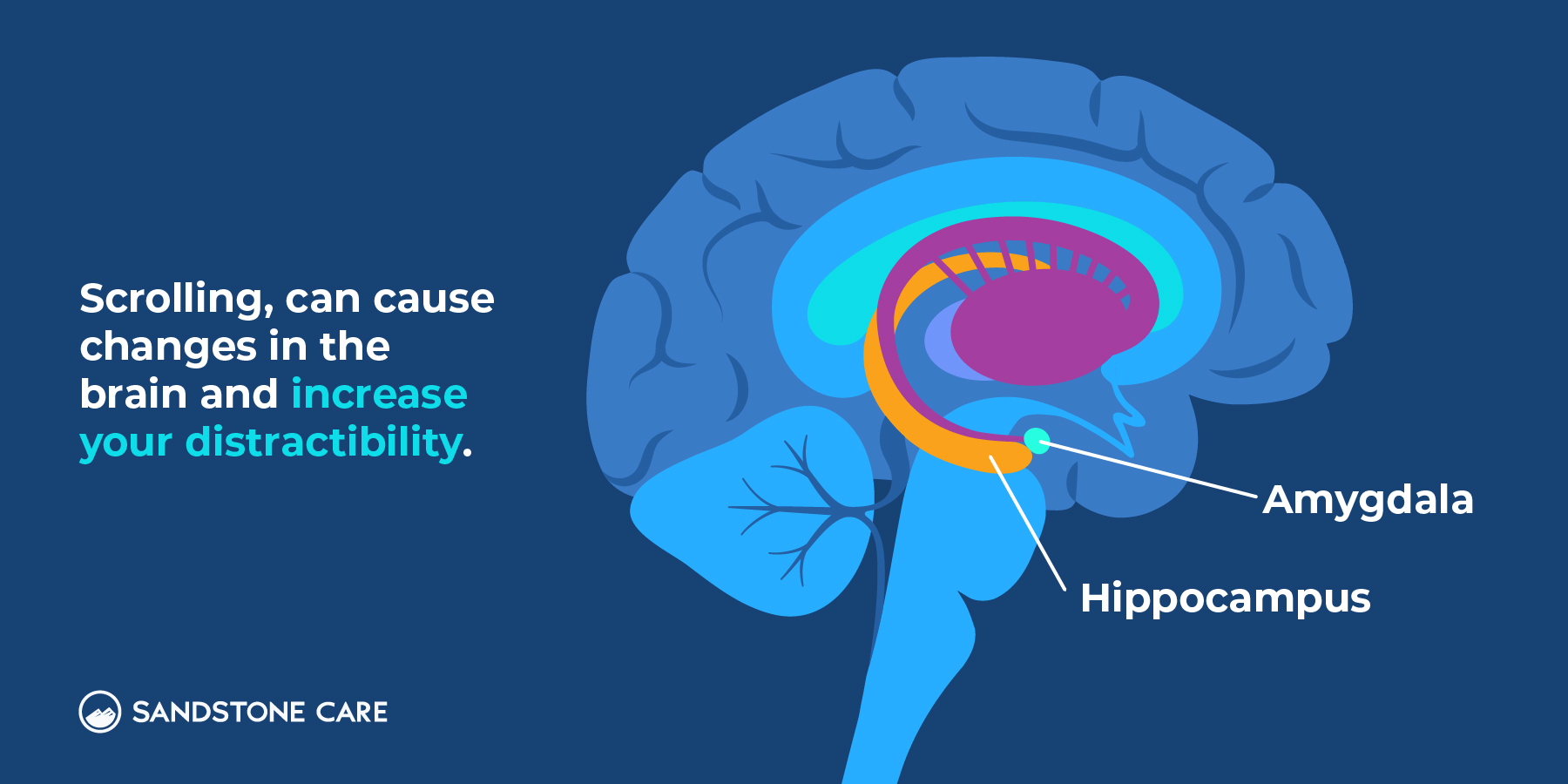
Scrolling, can cause changes in the brain and cause you to become more distracted more often.
Chronic stress, which is often seen in those with significant social media use, can affect two parts of the brain called the amygdala and hippocampus.
These areas are involved in fear and memory and can make anxiety and your ability to focus worse.
Scrolling for hours and hours also means that you are not using your brain in other ways, like you might through hobbies, social connections, or work.
This means that not only can scrolling directly cause you cognitive problems, but can also prevent you from learning or gaining new skills by consuming more and more of your time.
Modern Triggers of Doomscrolling
How Does the 24-Hour News Cycle Fuel Doomscrolling?
The 24-hour news cycle news fuels doomscrolling because it created round-the-clock access to news with no natural stopping points.
Social media took it to a whole new level with constant access practically glued to the inside of your palm.
Everyone with a phone has the ability to consume news as well as broadcast it. Graphic footage from natural disasters or war zones can go viral in minutes, far faster than any traditional moderation systems can react.
Viewers who stumble across this content can experience intense emotions such as shock and grief, propelling them to scroll through just one more video.
Does Social Media Cause Anxiety?
While social media may not cause anxiety entirely, it can certainly make symptoms of anxiety far worse than they ever would have been without the use of social media.
Those who spend several hours a day on social media may experience increased symptoms of anxiety, depression, and other mental health challenges. They may also develop symptoms of vicarious trauma.
Deactivating social media apps and reducing screen time is associated with a reduction in several mental health issues.
What Happens When You Doomscroll in Bed?
Late night screen time from doomscrolling in bed can disrupt circadian rhythms and negatively affect sleep.
Blue light interferes with melatonin production, making it harder to sleep. At the same time, your brain is processing traumatic and disturbing images.
This combination creates a perfect recipe for insomnia, fatigue, and feelings that you are not as mentally resilient as you were before.
How to Stop Doomscrolling
How To Stop Doomscrolling?
To stop doomscrolling, you must become aware of how bad the problem has become, set limits, and then review if those limits are working or not.
Consider tracking how much time you spend on social media and various apps. Try not to make excuses for yourself.
Remember, it doesn’t mean you are a bad or lazy person if you are spending more time than you would like, it just means you are in an uphill battle with technology that is designed to lock you into using it.
Most phones have the ability to track hours spent on the phone and different apps. The majority of Americans are spending several hours a day on social media, and this is only projected to increase.
Consider setting limits for yourself on social media use. Ways to do this include:
- Setting a timer
- Logging yourself out of apps to create a barrier to easily accessing them
- Set a specific “scrolling appointment” each day, and only access your social media during that time
- Creating zones in your home where phones are not allowed
- Downloading an app to help you limit your screen time
- Set rewarding activities for yourself to do in place of scrolling
- Keep a “media health” journal, to write how you feel after scrolling, and how you feel after doing activities besides scrolling
Several apps exist that can do things like block apps, set time limits, and add pauses before social media apps open.
How To Stop Scrolling Addiction?
In order to stop scrolling addiction, you need to first recognize that it is a problem.
It’s essential to recognize that excessive scrolling gives your brain a chemical reward similar to other addictive substances and behaviors. It creates a vicious cycle where you brain rewards you for the doomscrolling.
See what happens if you place your phone in another room for a period of time or turn it off. Do you feel anxious or a need to be constantly checking it? Are you feeling phantom vibrations and thinking that you feel a notification even if your phone isn’t on you?
Limiting phone use is difficult and if you are actively trying to stop a scrolling addiction, you may feel worse before it gets better.
There are mental health treatment options for those who need professional support.
For example, one study found that a combination of music therapy and cognitive behavioral therapy (CBT) improved the symptoms of smartphone addiction alongside anxiety and impulsivity.
How To Deal With News Anxiety?
There are several ways to deal with news anxiety and improve your mental wellbeing, such as:
- Curating your feed for positive news: Intentionally search for positive topics such as nature or wellness to try and balance out your news feed.
- Practicing single-serving news consumption: Pick one or two reputable sources that you check once or twice a day and then disengage. This reduces exposure to algorithmic manipulation and minimizes psychological distress.
- Creating a buffer before bed: Try to stop all screen use, but especially doomscrolling, at least one hour before bed. Instead, try reading, practicing relaxation techniques, talking with friends or family, or another ritual that helps you feel good and relax.
- Reconnecting with the real world: Go outside. Take a walk, spend time with your loved ones, exercise, or engage in mindfulness practices such as meditation.
- Considering professional help: The mental health symptoms from doomscrolling are real and may be a contributing factor to anxiety, depression, impulsivity, obsessive compulsive disorder, and more. It can be too much to manage on your own. Therapists and mental health professionals can help.
Is Doomscrolling a Sign of Bad Mental Health?
If you notice that doomscrolling is your go‑to way to calm down, numb out, or fall asleep, it may be telling you something important about your mental health.
Many people use endless scrolling to manage symptoms of anxiety, depression, trauma, or loneliness without even realizing it.
The phone becomes a way to escape racing thoughts, heavy emotions, or a sense of emptiness, but the relief is temporary, and often you end up feeling worse, not better.
Doomscrolling itself is not a diagnosis, but it can be a red flag. Persistent worry, hopelessness, changes in sleep or appetite, loss of interest in things you used to enjoy, or feeling “on edge” all the time are signs that anxiety or depression may be playing a role.
When that distress is consistently soothed by scrolling through upsetting content, it can keep you stuck in a cycle where both your feed and your mental health feel out of control.
You do not have to figure this out alone. A therapist or treatment program can help you understand what doomscrolling is doing for you, what feelings it’s helping you avoid, and then work with you to build healthier coping skills.
That might include learning how to set realistic boundaries with technology, practicing grounding and calming techniques, improving sleep routines, and addressing the root causes of anxiety, depression, or substance use.
Professional support can turn doomscrolling from a source of shame into a signal that it is time to take your mental health seriously.